Introduction
How diet influences the epigenome
Diet-induced epigenetic memory
The long-term effects of diet-induced epigenetic memory
Critical developmental windows for epigenetic memory
Clinical and public health implications
Future directions and research challenges
References
Further reading
Diet can leave lasting epigenetic marks that reshape gene expression, metabolic pathways, and disease susceptibility across the lifespan. These diet-driven molecular changes may create a form of “epigenetic memory” that influences metabolism, obesity risk, and long-term health outcomes even after environmental conditions change.
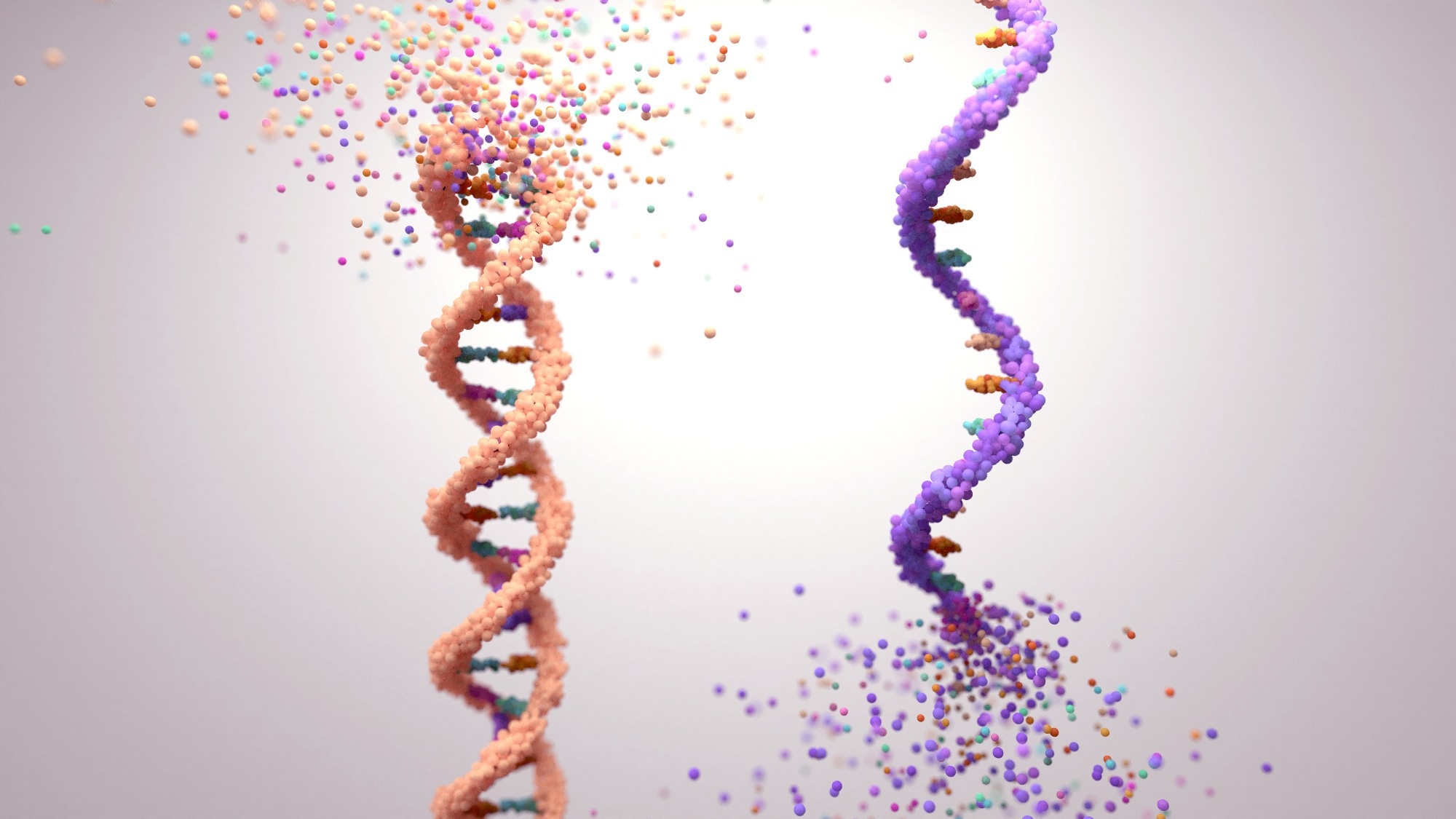 Image Credit: Design Cells / Shutterstock.com
Introduction
Epigenetics refers to heritable yet reversible modifications in gene expression that occur without altering the underlying deoxyribonucleic acid (DNA) sequence. DNA methylation, which involves the addition of methyl groups to cytosine, is one major type of epigenetic change, in addition to histone modifications and regulation through non-coding ribonucleic acid (RNA). These processes regulate chromatin structure and accessibility, thereby controlling when and where genes are expressed across tissues.
Epigenetic changes function as molecular 'switches' that can either activate or silence genes. These mechanisms are influenced by many environmental factors, including diet and physical activity. Because epigenetic enzymes depend on cellular metabolic intermediates, nutritional status can directly influence how these molecular switches operate.
Specifically, certain nutrients involved in one-carbon metabolism and methyl-donor availability can directly affect DNA methylation patterns. Consequently, dietary exposures can induce stable epigenetic modifications that affect long-term health, metabolic disease risk, aging trajectories, and even responses to future environmental challenges.1,2,4
This article explains how diet creates sustained epigenetic changes that affect long-term health, disease risk, aging, and future environmental responses.
How diet influences the epigenome
Dietary foods provide a wide range of metabolic substrates and cofactors that support epigenetic enzyme activity. For example, through one-carbon metabolism, folate, choline, methionine, vitamin B complex, and other dietary nutrients produce S-adenosylmethionine. This metabolite serves as the principal methyl donor for DNA and histone methylation reactions catalyzed by methyltransferase enzymes.1,4
Cellular processes that metabolize nutrients such as glucose, fatty acids, and amino acids also produce metabolites, including acetyl-coenzyme A and nicotinamide adenine dinucleotide (NAD+), which act as essential cofactors for histone acetylation and deacetylation reactions. In this way, cellular metabolism is tightly linked to chromatin regulation, because fluctuations in metabolite availability can alter epigenetic enzyme activity.1,2,4
Dietary effects on the epigenome can persist throughout life, continuously impacting metabolic pathways, inflammatory responses, and immune function. Microbiota-derived metabolites, particularly short-chain fatty acids (SCFAs) formed after fiber fermentation, may regulate histone acetylation, as well as alter metabolism and inflammation-related genes. For instance, SCFAs such as butyrate can inhibit histone deacetylases, thereby increasing chromatin accessibility and influencing transcription of genes involved in metabolism and immune signaling.1,2,4
Diet-induced epigenetic memory
In adipose tissue, prior obesogenic diets can create transcriptional and epigenetic alterations, with promoters retaining active or repressive histone marks that change gene expression responses. These stable chromatin modifications, including changes in histone methylation and acetylation, act as a molecular imprint of past nutritional states and can prime cells for exaggerated responses to renewed metabolic stress.3,4
Studies using high-resolution genomic analyses have shown that adipocytes can retain transcriptional signatures of prior obesity even after substantial weight loss, suggesting that chromatin remodeling induced by past dietary exposure may persist over time.3
This type of epigenetic memory can be adaptive or maladaptive. For example, persistent epigenetic marks may enhance metabolic flexibility or improve responsiveness to environmental shifts.
However, evidence from obesity models indicates that retained epigenetic alterations in adipocytes can sustain inflammation and suppress metabolic genes, even after weight loss. These persistent transcriptional programs may prime adipose tissue to respond differently to subsequent metabolic challenges, thus exemplifying how diet can encode long-term regulatory changes into the epigenome.3,4
Epigenetics Influencing Health Outcomes (Methylation Animation)
The long-term effects of diet-induced epigenetic memory
Persistent chromatin and DNA methylation changes can sustain metabolic dysfunction, even after weight loss. In both humans and mice, adipose tissue retains the genetic memory of obesity and continues to function poorly, slowing metabolism and increasing inflammatory and fibrotic signaling.These long-lasting epigenomic signatures may influence adipocyte differentiation, lipid metabolism, and immune signaling pathways.1,3,4
These stable regulatory patterns contribute to insulin resistance, type 2 diabetes, metabolic syndrome, and related comorbidities.1,3,4
Nutrient-sensitive epigenetic mechanisms, including DNA methylation and histone modifications driven by metabolites such as S-adenosylmethionine and acetyl-coenzyme A, can influence lipid metabolism, vascular inflammation, and pathways implicated in atherogenesis. Conversely, beneficial lifestyle patterns, including diets rich in polyphenols and micronutrients, are associated with favorable DNA methylation profiles and slower epigenetic aging, as reflected in epigenetic clock measures.This demonstrates the dynamic nature of the epigenome, which can respond to both harmful and protective environmental exposures.1,3,4
Critical developmental windows for epigenetic memory
Maternal nutrition and overall metabolic health are equally important to create a healthy fetal environment during pregnancy. According to the Developmental Origins of Health and Disease (DOHaD) hypothesis, exposure to an imbalanced diet during the prenatal period can lead to sustained epigenetic alterations that may increase an individual’s future risk of obesity, type 2 diabetes, or cardiovascular disease.1,2,3,5
Maternal diet may influence fetal epigenetic programming through multiple pathways, including nutrient-driven DNA methylation changes, inflammatory signaling, and alterations in the maternal–fetal microbiome.5
Historical evidence, such as famine exposure, further demonstrates that prenatal undernutrition can permanently alter metabolic regulation through epigenetic mechanisms.1,2,3,5
Although early development is particularly vulnerable to these alterations, epigenetic plasticity persists throughout life. In adulthood, DNA methylation and histone modifications maintain their lifestyle-modulating effects, which are influenced by diet and physical exercise.2,3,5
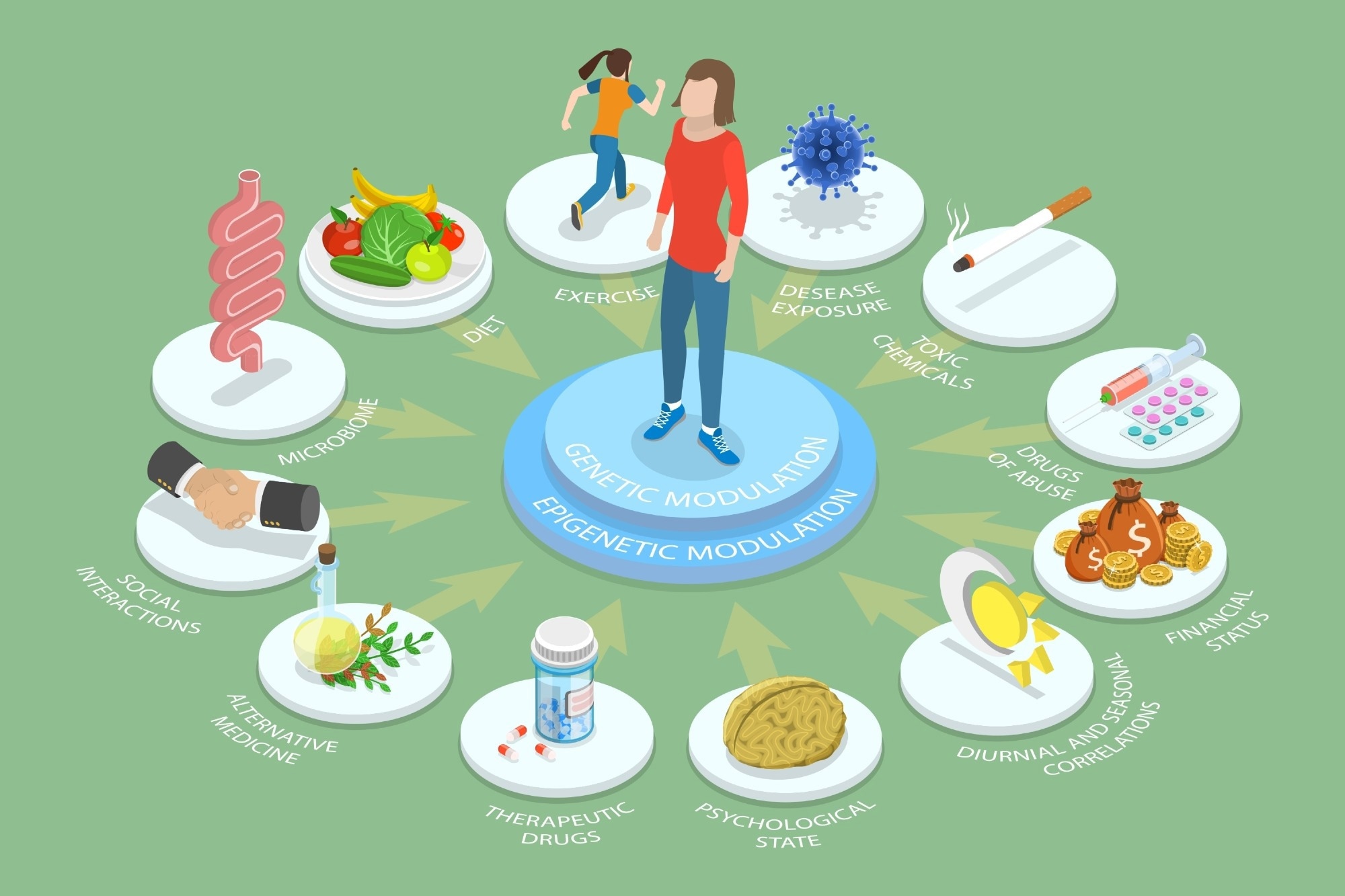 Image Credit: TarikVision / Shutterstock.com
Clinical and public health implications
Obesity and related metabolic comorbidities are characterized by dynamic and reversible epigenetic alterations, including changes in DNA methylation and histone modifications.4 These epigenetic changes can respond to environmental inputs such as diet and physical activity and, as a result, can be modified through personalized nutritional strategies based on each patient’s metabolic risk profile.1,4
Because many epigenetic marks are potentially reversible, they represent promising targets for lifestyle-based prevention strategies and precision nutrition approaches.
Balanced dietary patterns rich in bioactive compounds, methyl-donor nutrients, and anti-inflammatory components have been associated with favorable DNA methylation profiles and improved metabolic health outcomes. These findings promote the utility of lifestyle-based interventions as accessible and non-pharmacological approaches that can effectively prevent disease.1,2,4
Peripheral blood DNA methylation signatures are increasingly recognized as potential biomarkers for predicting obesity-related metabolic complications and monitoring responses to dietary interventions. However, because epigenetic patterns are often tissue-specific, blood-based biomarkers may not fully capture epigenetic alterations occurring in metabolically active tissues such as adipose tissue, liver, or skeletal muscle.
Integrating epigenetic biomarkers into clinical practice could enhance early risk detection, guide personalized interventions, and support population-level strategies aimed at reducing the burden of chronic metabolic diseases.1,2,4
Future directions and research challenges
Current research on diet-induced epigenetic changes has been conducted in animal models, with limited short-term human data. Thus, additional human studies with large sample sizes and diverse populations are needed to clarify causality, tissue specificity, and the permanence of epigenetic changes due to diet over a lifetime.1,2,4,5
Future work should also explore how interactions between genetic variation, metabolic state, and microbiome composition shape epigenetic responses to diet.
Future mechanistic research is also needed to clarify how specific nutrients and dietary patterns influence epigenetic enzyme activity. Overall, integrating genetic variation, microbiome composition, and metabolic state with epigenomic profiling will be essential for developing precise, personalized prevention strategies.1,2,4,5
References
- Abraham, M. J., El Sherbini, A., El-Diasty, M., et al. (2023). Restoring Epigenetic Reprogramming with Diet and Exercise to Improve Health-Related Metabolic Diseases. Biomolecules 13(2). DOI: 10.3390/biom13020318. https://www.mdpi.com/2218-273X/13/2/318
- Ostaiza-Cardenas, J., Tobar, A. C., Costa, S. C., et al. (2025). Epigenetic modulation by life–style: advances in diet, exercise, and mindfulness for disease prevention and health optimization. Frontiers Nutrition 12. DOI: 10.3389/fnut.2025.1632999. https://www.frontiersin.org/journals/nutrition/articles/10.3389/fnut.2025.1632999/full
- Hinte, L. C., Castellano-Castillo, D., Ghosh, A., et al. (2024). Adipose tissue retains an epigenetic memory of obesity after weight loss. Nature 636; 457-465. DOI: 10.1038/s41586-024-08165-7. https://www.nature.com/articles/s41586-024-08165-7
- Sandovici, I., Morais, T., Constância, M., & Monteiro, M. P. (2025). Epigenetic Changes Associated With Obesity-related Metabolic Comorbidities, Journal of the Endocrine Society 9 (9). DOI: 10.1210/jendso/bvaf129. https://academic.oup.com/jes/article/9/9/bvaf129/8221668
- Faienza, M. F., Urbano, F., Anaclerio, F., et al. (2024). Exploring Maternal Diet-Epigenetic-Gut Microbiome Crosstalk as an Intervention Strategy to Counter Early Obesity Programming. Current Issues in Molecular Biology 46(5); 4358-4378. DOI: 10.3390/cimb46050265. https://www.mdpi.com/1467-3045/46/5/265
Further Reading
Last Updated: Mar 8, 2026
 Obscure X chromosome protein emerges as key driver in several cancers