A new review suggests that the aftermath of a heart attack may depend partly on signals from the gut, revealing how microbial metabolites could influence inflammation, scarring, and recovery through epigenetic mechanisms.
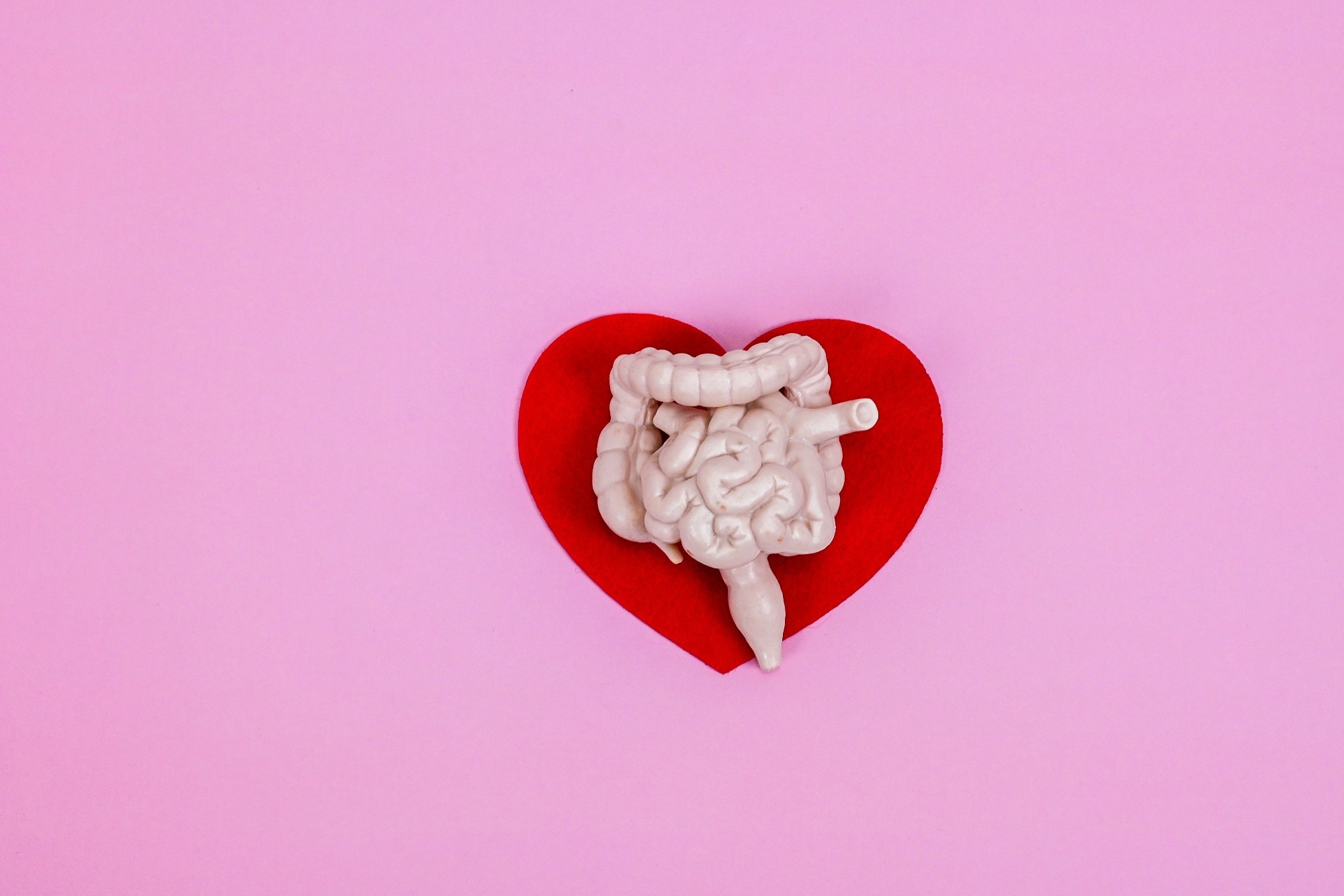
Study: The gut-heart dialogue: an epigenetic perspective on myocardial infarction. Image Credit: Joyisjoyful / Shutterstock
In a recent review published in the journal npj Biofilms and Microbiomes, a group of authors reviewed evidence on how gut microbiota-derived metabolites influence myocardial infarction (MI) through epigenetic mechanisms and identified potential therapeutic avenues.
Background
Every year, millions of people experience MI, commonly known as a heart attack, yet recovery outcomes vary widely. Why do some hearts heal better than others?
Several studies show growing evidence for new factors in cardiovascular disease risk. The gut microbiome could be a hidden contributor, making it an area of interest for researchers studying heart health.
Microbial metabolites produced in the gut can influence inflammation and metabolic processes within the body, including the short-chain fatty acids (SCFAs) and trimethylamine N-oxide (TMAO). Factors like deoxyribonucleic acid (DNA) methylation and histone modification also control how genes work without altering the DNA sequences.
Together, they create a regulatory axis impacting heart disease outcomes, although further research is needed to translate these insights into clinical therapies.
The gut-heart connection
The gut microbiota supports digestion, immune function, and metabolic balance. When someone is healthy, the microbes in the gut produce SCFAs that help reduce inflammation, protect the gut lining, and prevent the body from making too much fat. However, those with a heart attack have an unbalanced gut (gut dysbiosis), which results in low levels of SCFAs but produces higher levels of other substances that can be harmful to the body, including TMAO and lipopolysaccharide. The imbalance between SCFAs, TMAO, and lipopolysaccharide leads to increased inflammation and greater heart damage.
Microbiota changes across disease stages
The role of gut microbiota in MI evolves across different stages of the disease. Before a heart attack, microbial imbalance is linked to atherosclerosis (plaque buildup in arteries), and reduced levels of butyrate-producing bacteria weaken plaque stability, while metabolites like TMAO increase the risk of clot formation.
A heart attack causes severe stress, leading to a leaky gut, and this allows toxins to enter the bloodstream, contributing to inflammation. Studies reviewed by the authors show that harmful bacterial species increase, while beneficial microbes decline, further worsening cardiac injury.
Persistent dysbiosis may contribute to harmful, lasting changes to the heart structure. This unhealthy state leads to fibrosis and can progress to heart failure. However, restoring good bacteria has shown potential in preclinical studies to improve heart function and reduce damage, showing the need for a balanced gut during recovery.
Epigenetics: The molecular bridge
The link between gut dysbiosis and heart disease is epigenetics. Epigenetics is the modification of gene expression without altering the actual DNA sequence. This is achieved through processes including DNA methylation, histone modification, and regulatory non-coding ribonucleic acids (RNAs).
DNA methylation and gene control
DNA methylation involves adding chemical groups to DNA, which can turn genes on or off. During MI, abnormal methylation patterns activate inflammatory genes while suppressing protective ones. Harmful metabolites such as TMAO can increase DNA methylation in genes that protect the heart, potentially reducing their activity. In contrast, beneficial microbial metabolites help maintain balanced gene expression, supporting recovery and reducing damage.
Histone modifications and inflammation
Histones are the proteins that package DNA, and their placement changes how tightly the DNA is wound, making some genes more or less accessible. SCFAs act as natural histone deacetylase inhibitors and, by loosening chromatin structure, can facilitate the expression of genes that reduce inflammation and promote protective responses (for example, reducing scar tissue in the heart, reducing cellular loss following a heart attack, improving heart recovery). Other microbial metabolites can also modulate advanced histone modifications, further supporting heart function and recovery.
Non-coding RNAs
Non-coding RNAs, including microRNAs, long non-coding RNAs, and circular RNAs, regulate gene expression at a post-transcriptional level. Gut-derived signals influence these molecules, shaping inflammation, fibrosis, and cell survival.
For example, lipopolysaccharide can activate pro-inflammatory microRNAs, worsening cardiac injury. In contrast, beneficial metabolites suppress harmful pathways and enhance protective gene expression. This layered regulation allows the gut microbiota to finely tune the heart’s response to stress and injury.
Therapeutic implications: From diet to drugs
Understanding how the gut microbiota affects our genes provides new ways of treatment. Diet is an important way to balance gut microbiota. High-fiber diets increase SCFAs production, which reduces inflammation and supports cardiac health. Foods like fruits, vegetables, and nuts produce compounds that improve gene regulation and mitochondrial function. Dietary patterns such as intermittent fasting and caloric restriction may further enhance beneficial epigenetic modifications, thereby promoting recovery after MI.
Drugs mimicking microbial metabolites also represent one therapeutic target among several developing drug modalities. By acting as histone deacetylase inhibitors, these drugs can produce anti-inflammatory effects through the same mechanisms that SCFAs exert cardioprotective effects via histone acetylation, and thus may improve cardiac function.
Probiotics and fecal microbiota transplantation are the latest therapies being explored to address gut dysbiosis, and these methods can potentially decrease inflammation, improve cardiac health, and reverse dysbiosis. Postbiotics may also represent a safe, controlled alternative for restoring a healthy microbiome, but their clinical use is hindered by numerous challenges, including variations in patient responses, safety concerns, and limited clinical evidence supporting efficacy.
Conclusion
The review suggests that MI is not solely a cardiovascular event but a systemic condition influenced by gut microbiota and epigenetic regulation. Gut microbiota and epigenetics influence inflammation, cardiac repair, and long-term outcomes. Lifestyle factors, such as diet, are shown to be important in determining the overall health of the heart. New therapies targeting the gut microbiome and genes may offer future benefits for both preventing and treating heart disease. However, individual differences between people and the clinical safety of these therapies need to be resolved before they can be widely used.
Journal reference:
- Song, J., Tang, S., Guo, Y., Hong, C., & Song, T. (2026). The gut-heart dialogue: An epigenetic perspective on myocardial infarction. npj Biofilms and Microbiomes. DOI: 10.1038/s41522-026-00974-0, Nature, https://www.nature.com/articles/s41522-026-00974-0
 The heart effects of antidepressants may depend as much on the patient as the drug