Jan 11 2018
Aircuity, (www.aircuity.com), creator of measurably better environments, announced that it has migrated systems at Michigan State University from the original platform to the next generation; Aircuity 2.0.To date two of the nine systems installed on campus have been migrated with the remaining seven scheduled to be completed. MSU has already used the next generation web app for insight into the operation of their labs.
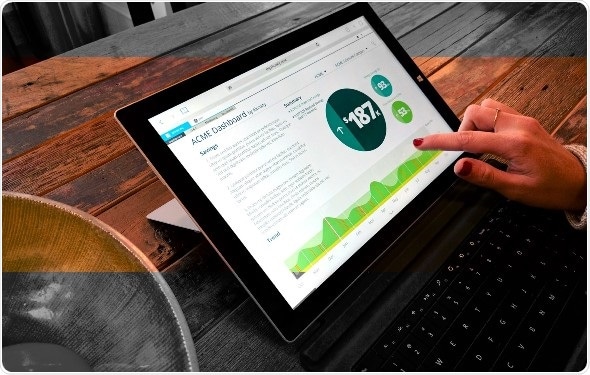
The 2.0 out-of-the boxAircuity web app provides data that is beneficial for a variety of users at an institution, including energy saved and occupant protection provided.The analytics present it in a way that is easy to understand and navigate. At MSU David Erickson, Senior Industrial Hygienist, began using the Aircuity web app to monitor spaces as soon as the first 2.0 conversions were complete. Soon after it helped him to identify an event that took place in a procedure room.
Erickson shared:
I logged into the web app, and noticed a CO2 event, then investigated it further using the graphing and exporting feature. Within the data I could see Aircuity sensing the elevated level of CO2 and responding by increasing the amount of outside air flowing into the room- which provided added occupant protection. I contacted the building manager and we identified the source. I use Aircuityas a way to see what occupants are doing in the lab areas and 2.0 allows me to see the data in a clean and user-friendly fashion.
MSU will receive several additional benefits as a result of the conversion including upgrades to the physical Aircuity system, enhanced cybersecurity, automated software updates and an expandable platform that allows for growth and customization throughout the life cycle of MSU’s Aircuity installations.
Since its launch in 2000, Aircuity has been the leading solution for demand control ventilation and IEQ. The company has over 700 installations in 17 countries with higher education customers such as University of California, Irvine, University of Cambridge, University of Pennsylvania and Northwestern University. Aircuity 2.0 further distinguishes Aircuity as the most robust, efficient, and verifiable airside solution available.
 What can bears, tardigrades, and worms teach us about surviving deep space?