New research shows that women who halt GLP-1 medications near conception face greater gestational weight gain and elevated risks for preterm birth and pregnancy-related complications, raising urgent questions about how best to manage these drugs in reproductive-age patients.
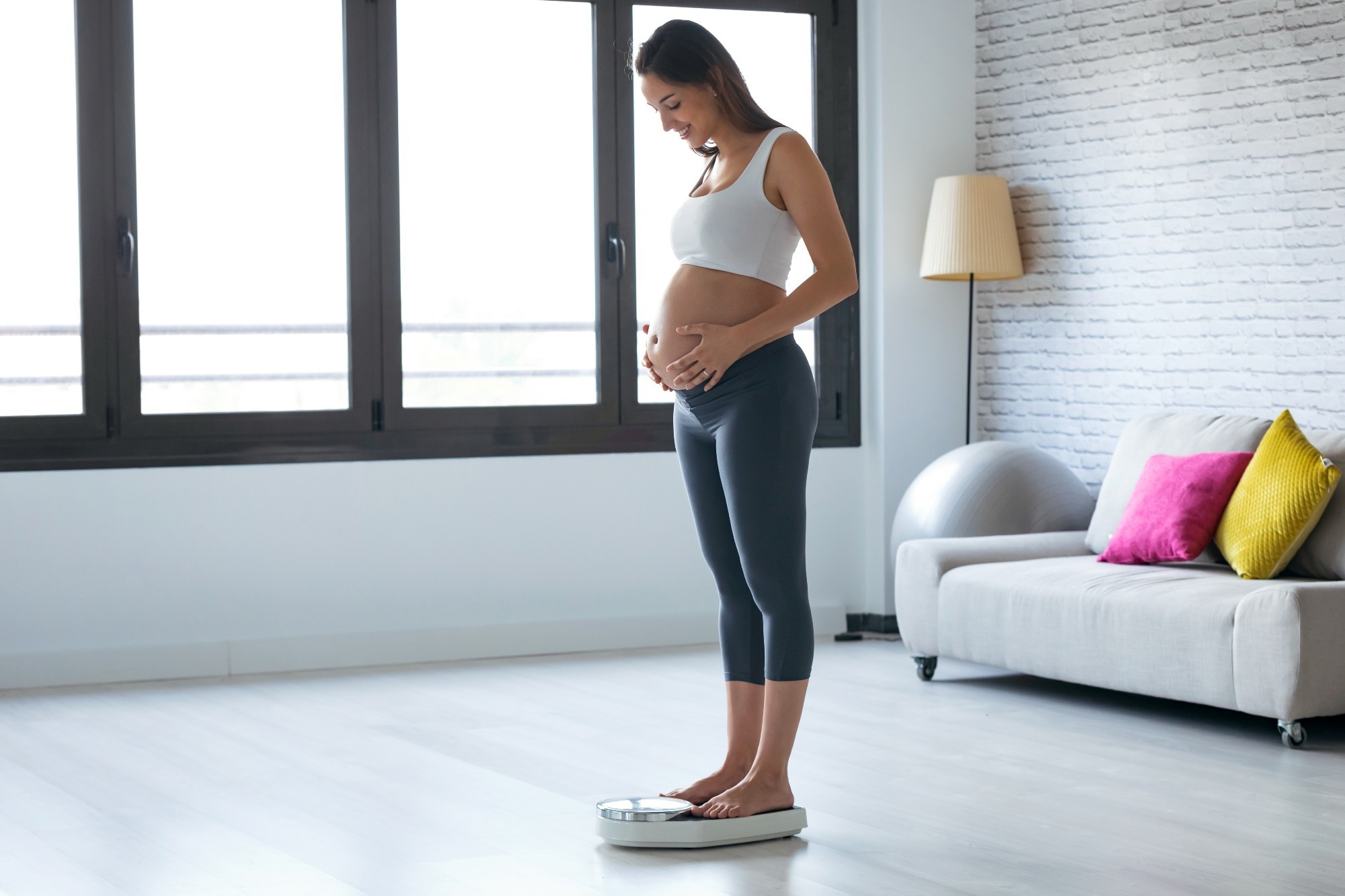 Study: Gestational Weight Gain and Pregnancy Outcomes After GLP-1 Receptor Agonist Discontinuation. Image Credit: Joseph Suria / Shutterstock.com
Glucagon-like peptide-1 receptor agonists (GLP-1 RAs) are widely used to manage type 2 diabetes mellitus and obesity. However, these medications are not recommended during pregnancy. A recent study published in JAMA Network Open examined the risk of pregnancy weight gain in patients who were prescribed GLP-1 RAs prior to conception.
Weight gain after GLP-1 RAs
The high and increasing prevalence of women with obesity in the United States who become pregnant is accompanied by a greater risk of developing type 2 diabetes during pregnancy. The number has increased from 1.8 per 1,000 births in 2000 to 7.3 in 2019. Furthermore, pregnancy in women with obesity and diabetes has a high complication rate, coupled with a greater risk of chronic disease in offspring.
Despite the benefits of GLP-1 RAs for managing weight and blood glucose levels in women of childbearing age, these medications are not advised during pregnancy because of concerns regarding fetal effects observed in animal studies.
The cessation of GLP-1 RA treatment can lead to weight gain and hyperglycemia. Excessive gestational weight gain increases the risk of high birth weight, preterm delivery, gestational diabetes, and hypertensive disorders of pregnancy, many of which are complications that may increase the likelihood of a Cesarean section.
These concerns motivated the researchers of the current study to explore the risk of excessive weight gain and adverse pregnancy outcomes among women previously ordered GLP-1RAs who discontinued their use during the pre-conceptional period or early pregnancy as compared to unexposed mothers.
Comparing GLP-1–exposed and unexposed mothers
The current study was a retrospective analysis of pregnancy weight gain and outcomes in 1,792 women with singleton pregnancies who were or were not exposed to GLP-1 RAs in early pregnancy or before pregnancy began. All patients were monitored for gestational weight gain, birth weight and length, preterm delivery, Cesarean delivery, gestational diabetes, and hypertensive disorders of pregnancy.
GLP-1 users gained more weight and faced higher risks
In the current study, 448 women who had previously been treated with GLP-1 RAs were compared to 1,344 controls. Among women with a history of GLP-1 RA use, the mean maternal age was 34 years, with a mean body mass index (BMI) of 36.
Obesity affected 84 % of women previously prescribed GLP-1 RAs, whereas 23 % were diagnosed with diabetes mellitus prior to pregnancy. Approximately 66 % of these women last used GLP-1RAs within six months of conception, most of whom were prescribed semaglutide.
Women with a history of GLP-1 RA use gained an average of 3.3 kg more weight than unexposed women. About 65 % of the exposed group were at a greater risk of excessive weight gain as compared to 49 % the unexposed women. The risk of excessive weight gain was 32 % higher during pregnancy as compared to unexposed women.
Birth weight was slightly higher in the exposed cohort. However, the risk of Cesarian delivery and being large-for-gestational-age was not greater among babies born to exposed mothers.
The risk of gestational diabetes and hypertensive disorders of pregnancy was about 30 % higher among women who received GLP-1 RAs before pregnancy. This observation suggests that the benefits of pre-conceptional use of GLP-1 RAs may not persist after discontinuation, which potentially contributes to excessive weight gain.
The presence of gestational diabetes and hypertensive disorders increases the risk of preterm birth, which was 34 % higher among exposed women. There was no significant difference in patient outcome with the type of GLP-1RA, nor with recent or more distant exposure to these drugs.
Uncertainty around prepregnancy GLP-1 benefits
The use of GLP-1 RAs before pregnancy, followed by discontinuation, was associated with a mean gestational weight gain of 3.3 kg compared to unexposed women. Pre-conception use of GLP-1 RAs also correlated with a greater prevalence of preterm delivery, gestational diabetes, and hypertensive disorders of pregnancy.
As this was an observational study that used electronic health records orders to define exposure, these findings reflect associations and may be influenced by residual confounding and the characteristics of a predominantly high-BMI population.
Additional studies are needed to clarify how GLP-1RA treatment before pregnancy, followed by cessation, affects maternal weight gain and the metabolism of children born to these women. These findings could provide new insights into the risk-benefit ratio of using GLP-1 RAs in women of childbearing age who may need to discontinue their medication if they become pregnant in the future.
 Common chemical exposures in pregnancy may be linked to early attention and memory