A new global analysis links rising disease burden to plastics’ full lifecycle, showing why reducing virgin plastic output is the fastest path to protecting human health.
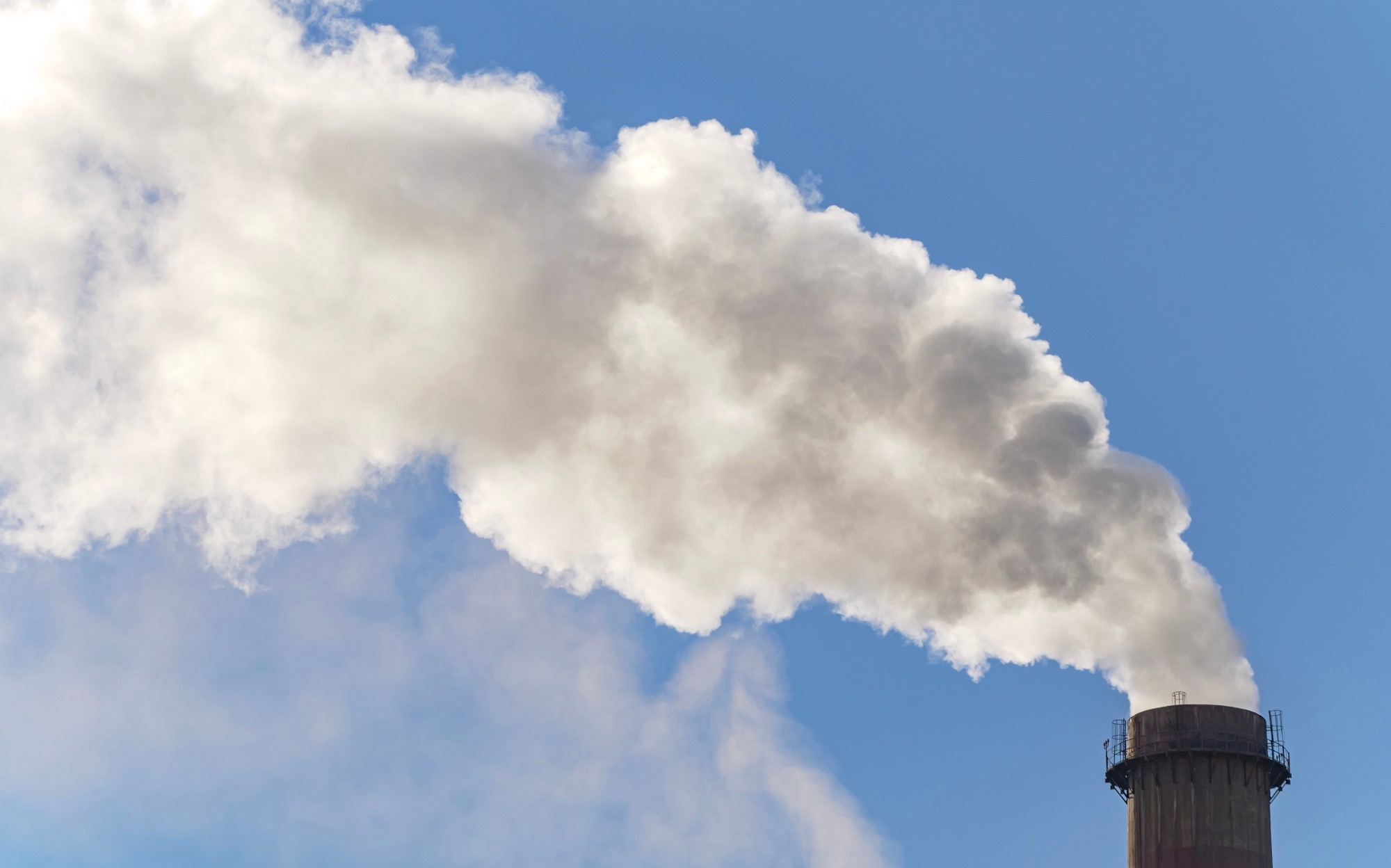 Image Credit: Global health burdens of plastics: a lifecycle assessment model from 2016 to 2040. Image Credit: Bugra Kaan Ersoy / Shutterstock.com
A recent study published in The Lancet Planetary Health suggests that global health burdens associated with plastic systems could double by 2040 without immediate and coordinated action.
The public health threat of plastics
The mismanagement of plastics throughout the world leads to excessive greenhouse gas (GHG) emissions that significantly contribute to climate change, as well as human health complications like respiratory diseases, cancers, and other non-communicable diseases.
Pollutants can be released at any stage of the plastic lifecycle, from fossil fuel extraction and refining through manufacturing, use, and end-of-life management. Because most plastics are derived from oil and gas feedstocks, emissions from primary plastic production account for a dominant share of plastics-related health burdens. Global transportation, recycling, waste management, and gradual environmental degradation of plastics also significantly contribute to plastics-related emissions.
Previous studies have used systems-based modelling, including material flow analysis (MFA) and lifecycle assessment (LCA), to evaluate the plastics system and its environmental and health effects. MFA quantifies the flow of plastic materials through sectors and regions, whereas LCA provides a systematic approach to assess plastics-related environmental and health effects across their lifecycles.
Escalating plastic-related health effects
In the current study, researchers from the London School of Hygiene & Tropical Medicine, University of Toulouse, and University of Exeter use a hybrid MFA and LCA approach to estimate and compare the adverse health outcomes associated with GHGs, air pollutants, and chemical emissions across the lifecycle of the most common, predominantly single-use plastics found in municipal solid waste, under different global scenarios between 2016 and 2040. These plastics represent approximately 64% of global plastics production. To this end, disability-adjusted life-years (DALYs) were quantified to assess the number of healthy years of life lost due to GHGs, air pollutants, and toxic chemicals emitted across the life cycle of plastics at a global scale.
Under a ‘business as usual’ scenario, a hypothetical situation in which the plastics system continues with no change to policy, economics, infrastructure, materials, or consumer behaviors, annual health adversities could increase from 2.1 million DALYs in 2016 to 4.5 million DALYs by 2040. These findings corresponded to a cumulative 83 million DALYs between 2016 and 2040 due to the global plastic system.
Can better plastic management reduce health burden?
The potential impact of alternative global scenarios with different plastic management approaches on health burdens was also assessed. Specifically, efforts to increase plastic waste collection or recycling in isolation can only modestly reduce the global health burdens compared with strategies that reduce primary plastic production.
As compared to the ‘business as usual’ estimate, the global health burden of plastics can be reduced by 43% in 2040 by combining all measures in a full plastics system. These measures include reducing primary plastic production, improving waste collection and disposal, recycling, and replacing specific plastics with alternative materials and reuse systems.
However, even after combining all measures, the global health burden of plastics persists over time. Further analysis suggests that the effects of the plastics industry on climate change and air pollution could be reduced to some extent by shifting to renewable energy; however, this approach alone is insufficient to address other harmful aspects of plastic production and waste management.
Emissions from primary plastic production are the leading cause of global health burden across all scenarios. Open burning of plastic waste also remains a substantial contributor under business-as-usual conditions. Thus, the greatest health benefits could be achieved by reducing plastic production without necessarily substituting plastics for other materials.
Why reducing plastic production is critical for protecting human health
The global health burden of plastics could double by 2040 if immediate action is not taken to reduce GHG emissions, which, combined with subsequent climate change effects, account for the largest share of modeled health burdens. Among other plastics-related hazards, air pollution primarily originating from plastic production processes accounts for a substantial share of health burdens, whereas toxic chemicals released to the environment from gradual plastic degradation contribute a further significant share, with exact proportions varying by scenario and year.
Reduced water availability, disruption of the ozone layer, and increased ionizing radiation collectively contribute to the remaining health burdens, which are less than 1% of the total burden.
The current study demonstrates that emissions from primary plastics production dominate total modeled health burdens across all scenarios. Because the analysis excludes direct health impacts from chemical exposure during product use and from micro- and nanoplastics pollution due to data limitations, the authors note that these estimates are likely conservative.
Thus, there remains an urgent need for immediate, effective actions to reduce plastic production and significantly improve public health outcomes. Coordinated policies among nations that address shared challenges related to plastic pollution, climate change, and global health are also warranted to protect human and planetary health.
The current trajectory is not tenable but we have real, feasible alternatives. Global action that centers on substantial, collective reductions to plastics production...is needed at scale to protect people and planet.
 AI sleep model reveals health risks missed by standard apnea scores