A new study suggests that AF may impair the brain’s waste-clearance system and that restoring sinus rhythm with catheter ablation could help improve this process, offering new clues to why AF is linked to cognitive decline.
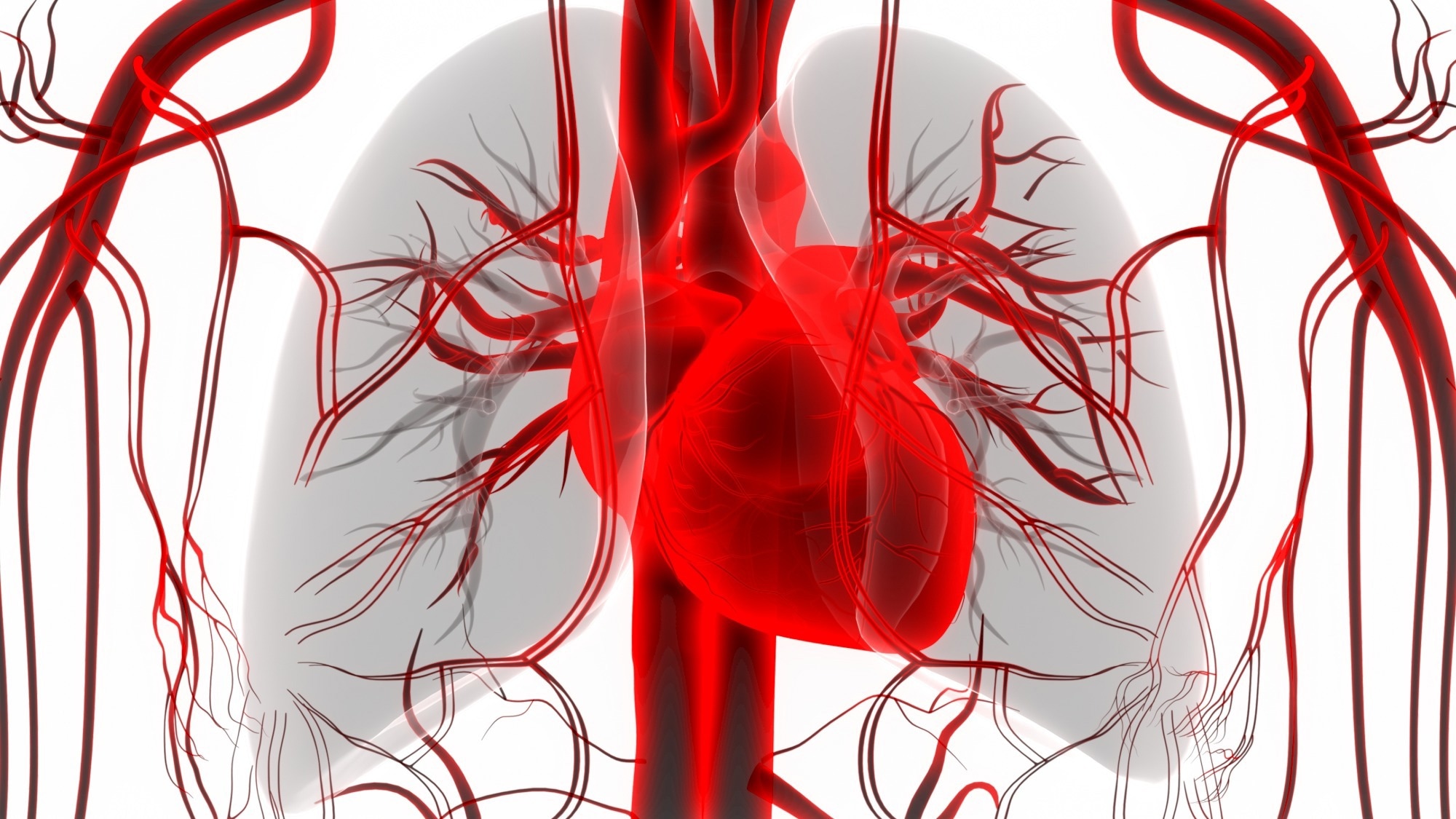
Study: Atrial fibrillation catheter ablation, brain glymphatic function, and cognitive performance. Image Credit: Magic mine / Shutterstock
In a study published in the European Heart Journal, researchers explored brain glymphatic function in patients with atrial fibrillation (AF) and its role in cognitive function.
AF is the most common cardiac arrhythmia and an established risk factor for cerebrovascular disease. Evidence also suggests that AF is associated with cognitive impairment and dementia, irrespective of the presence of stroke. It increases the odds of developing all-cause dementia, vascular dementia, and Alzheimer’s disease. As such, the relationship between AF and dementia may not be limited to cerebrovascular and thromboembolic events and could be multifactorial.
The glymphatic system is a clearance system in the brain. It is responsible for the flow of cerebrospinal fluid (CSF) into the brain parenchyma and for the removal of extracellular waste. Normal cardiac pulsation is believed to play a role in glymphatic function and in the clearance of neurotoxic waste from the brain. Recent imaging studies suggest that insufficient glymphatic clearance contributes to the progression of cognitive dysfunction.
About the study
In the present study, researchers investigated glymphatic function in stroke-free AF patients and its role in cognitive function. AF patients were enrolled between July 2023 and September 2024. Individuals with cardiac diseases, liver disease, malignant tumors, kidney disease, degenerative brain diseases, a history of ablation or surgery for AF, current use of antidepressants, analgesics, sedatives, and anxiolytics, or pregnancy were excluded.
Patients were stratified into non-paroxysmal and paroxysmal AF groups. In addition, healthy controls matched for sex, age, and education were included. A subset of AF patients underwent catheter ablation to restore sinus rhythm. A comprehensive battery of neuropsychological tests was administered. The Rey Auditory Verbal Learning Test (RAVLT) and Montreal Cognitive Assessment (MoCA) were used to examine verbal memory and global cognitive function, respectively.
The Trail Making Test (TMT), Digit Span Test (DST), Stroop Color and Word Test (SCWT), and Digit Symbol Substitution Test (DSST) were used to assess attention and executive function. The Rey–Osterrieth Complex Figure (ROCF) test was used to evaluate visual ability and memory. The Animal Fluency (AFT) and Boston Naming (BNT) tests were used to assess language. All participants underwent brain magnetic resonance imaging (MRI); MRI was repeated after catheter ablation.
The diffusion tensor image analysis along the perivascular space (DTI-ALPS) index was used to indirectly assess glymphatic activity. Differences in the DTI-ALPS index between groups were assessed using a general linear model. Partial correlation analyses were performed to evaluate the association between neuropsychological test scores and the DTI-ALPS index. The mediating effect of the DTI-ALPS index on the relationship between AF and cognitive function was also investigated.
Findings
The study included 87 patients with AF and 44 healthy controls. MRI was repeated for 50 patients after ablation therapy. AF patients were more likely to use anti-arrhythmic agents, beta-blockers, and anticoagulants than controls. AF patients had lower MoCA, RAVLT, ROCF, DSST, DST, AFT, and BNT scores and higher SCWT and TMT scores than controls. These data suggested impaired cognitive function in AF patients.
The mean DTI-ALPS index was significantly lower in AF patients than in controls; non-paroxysmal AF patients had the lowest DTI-ALPS index, with no significant differences between controls and paroxysmal AF patients. Further, a lower DTI-ALPS index was associated with worse cognitive function, particularly in executive function, processing speed, and attention domains, in AF patients.
The DTI-ALPS index exhibited significant mediating effects on the relationships between AF and TMT, DSST, DST, and SCWT scores. Among AF patients who underwent catheter ablation, all 32 with paroxysmal AF were in sinus rhythm at both MRI examinations. In contrast, all 18 non-paroxysmal AF patients were in AF before ablation and in sinus rhythm after ablation. The DTI-ALPS index showed a significant short-term improvement after sinus rhythm was restored by ablation therapy.
Conclusions
In sum, the findings illustrated decreased brain glymphatic activity in AF patients, particularly in those with non-paroxysmal AF. A lower DTI-ALPS index was associated with poor neurocognitive performance; it also mediated the relationship between AF and cognitive decline. Glymphatic activity was improved following catheter ablation. These results suggest the importance of a regular cardiac rhythm for maintaining glymphatic function and cognitive health, although the study did not establish causality or long-term cognitive protection.
 Core muscle activity rapidly regulates blood flow in the brain