A new study suggests that so-called masculine depression may mark a heavier, broader mental health burden, and that clinicians may need to look for this overlooked symptom pattern in women as well as men.
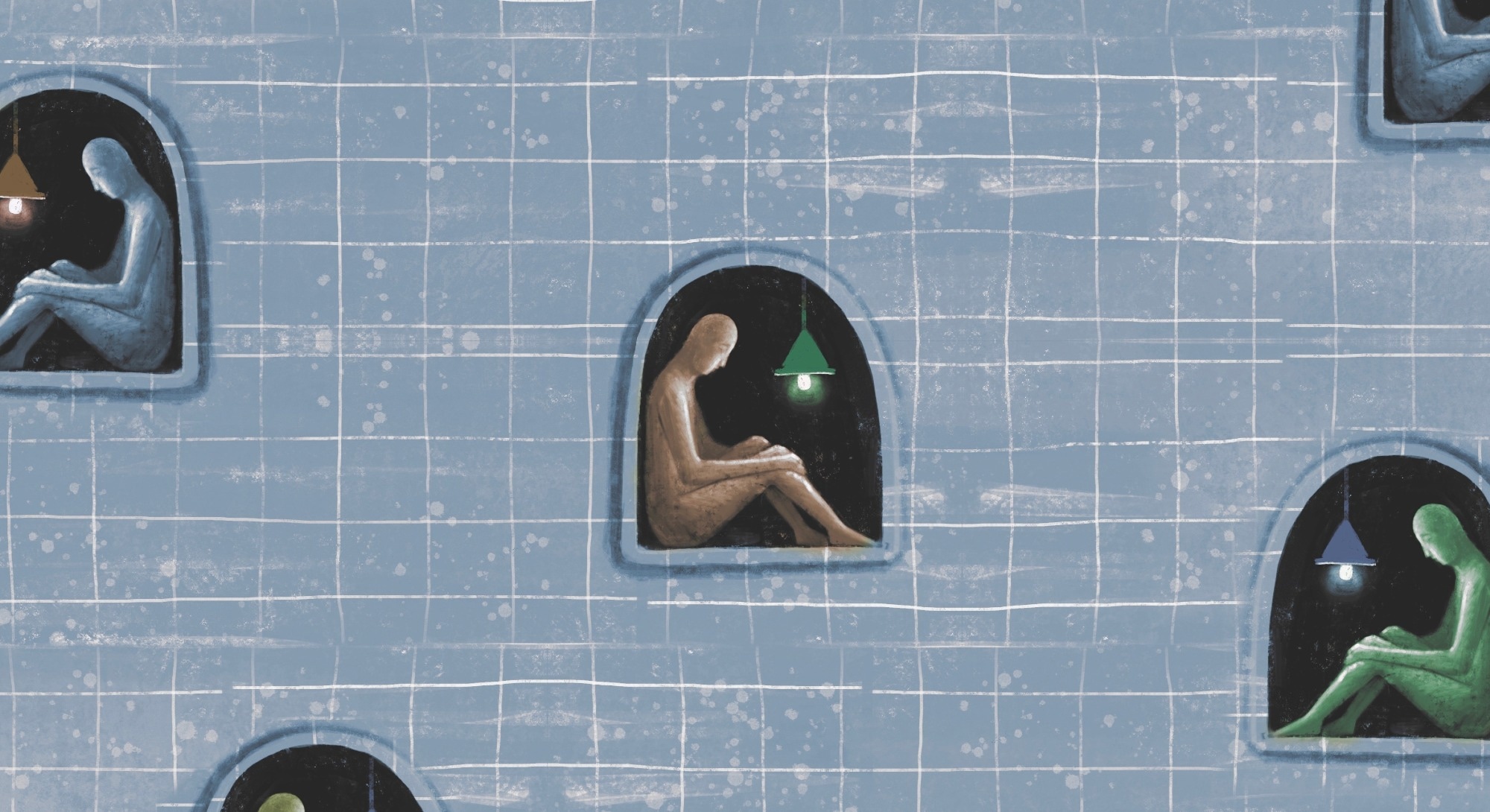
Study: Masculine depression and acute mental health burden. Image Credit: Jorm Sangsorn / Shutterstock
In a recent study published in the journal Scientific Reports, researchers in Germany investigated the clinical impact of "masculine depression," a subtype of depression defined by externalizing behaviors such as anger and substance use.
The study methodology compared 163 depressed inpatients with 176 healthy controls and found that individuals with high masculine depression scores experienced a substantially higher acute mental health burden across multiple dimensions of psychological distress. Critically, these symptoms were observed to manifest in both men and women, suggesting that masculine depression is better understood as a descriptive depressive behavioral profile rather than a sex-specific disorder.
Background
Conventional research has, for decades, depicted depression both culturally and clinically as a predominantly "female" disorder, with historical studies reporting women to have prevalence rates twice as high as men. However, recent investigations suggest that this observed sex-specific disparity is likely an artifact of how depression was traditionally measured.
Recent reviews on the topic highlight that traditional diagnostic criteria largely focused on "internalizing" symptoms (e.g., sadness, subjective feelings of worthlessness, and physical fatigue) while often overlooking "externalizing" symptoms (e.g., aggression and unexpected outbursts, emotional suppression, and impulsive and self-destructive behaviors).
These externalizing symptoms have now been clinically defined under the umbrella of the "masculine depression" phenotype, which represents a relatively novel subtype that describes individuals who react to psychological distress by "acting out" rather than "drawing in". Historically, these traits were typically attributed to men trying to conform to traditional masculine norms, such as self-reliance and socially perceived emotional control.
Recent research suggests that the “masculine” tag associated with the phenotype may result in clinicians failing to recognize these signs in the female sex, leading to significant under-treatment. However, these causes and psychological impacts of masculine depression remain understudied.
About the study
The present study aimed to address these knowledge gaps by specifically investigating whether individuals displaying atypical depressive symptoms (masculine depression phenotype) carry a heavier psychological load than those with standard depressive profiles. The study used a case-control design and enrolled 163 depressed inpatients and 176 healthy control subjects, recruited from clinics in Germany (females: 44%).
Incidence of masculine depression was clinically established using the Male Depression Risk Scale-22 (MDRS-22). This 22-item survey assesses six key areas: drug use, alcohol abuse, anger and aggression, risk-taking, emotional suppression, and somatic (physical) symptoms.
Based on MDRS-22 outcomes, participants were categorized into High Masculine Depression (HMD) or Low Masculine Depression (LMD) groups depending on a sex-separated median split of their scores.
Subsequently, the study quantified participants’ “mental health burden” using the Symptom Checklist-90-Revised (SCL-90-R). SCL-90-R is a 90-item self-report tool that evaluates nine dimensions of psychological distress, including anxiety, paranoid ideation, and "psychoticism" (a measure of social withdrawal and isolation).
Finally, the Beck’s Depression Inventory-II (BDI-II) was used to ensure that MDRS-22 and SCL-90-R results were adjusted for the overall severity of the patients' depression.
Study findings
Study findings revealed that patients categorized as HMD exhibited a significantly higher overall level of psychological distress compared to the LMD group. Specifically, the Global Severity Index (GSI, average of individual SCL-90-R item scores) metric established a strong association between high masculine depression scores and acute burden (B = 0.107, p < 0.001).
Subgroup analysis found that the HMD group showed elevated levels in several critical dimensions even after adjusting for age, sex, and general depression severity:
- Somatization: Physical manifestations of distress (B = 0.075, p < 0.001).
- Anger-Hostility: Increased aggression and irritability (B = 0.077, p < 0.001).
- Paranoid Ideation: Heightened suspicion or mistrust (B = 0.060, p < 0.001).
- Psychoticism: Feelings of alienation or social withdrawal (B = 0.066, p < 0.001).
The authors also reported associations with anxiety and phobic anxiety in adjusted models, although these did not remain among the most robust findings after correction for multiple testing.
Furthermore, these analyses revealed that biological sex did not significantly influence these results (p = 0.912 for differences in MDRS-22 scores between sexes). This implies that women in the study were just as likely as men to exhibit the "masculine" profile.
However, the study did note that HMD patients tended to be younger on average (36.4 years) than LMD patients (45.7 years) (p < 0.001).
Conclusions
The present study highlights that masculine depression is a sex-independent symptom profile that is likely associated with a significantly higher mental health burden than traditionally captured by conventional depression diagnostic assessments.
The authors conclude that these findings imply that the term "masculine depression" should be viewed as a descriptive label for a behavioral pattern that may include emotional suppression, somatic symptoms, substance use, anger, aggression, and risk-taking rather than a condition exclusive to men.
The study's methodology presents a key limitation: its focus on an inpatient cohort. Because individuals with these symptoms often avoid seeking help, the findings may underestimate the burden in severely affected people who do not seek treatment and may not fully generalize beyond treatment-seeking inpatients.
 Brain activity study reveals five distinct profiles for depression