Seafood delivers essential nutrients, but could different varieties carry different chemical risks? Researchers examined six seafood categories to investigate their relationships with persistent pollutants and markers of liver health.
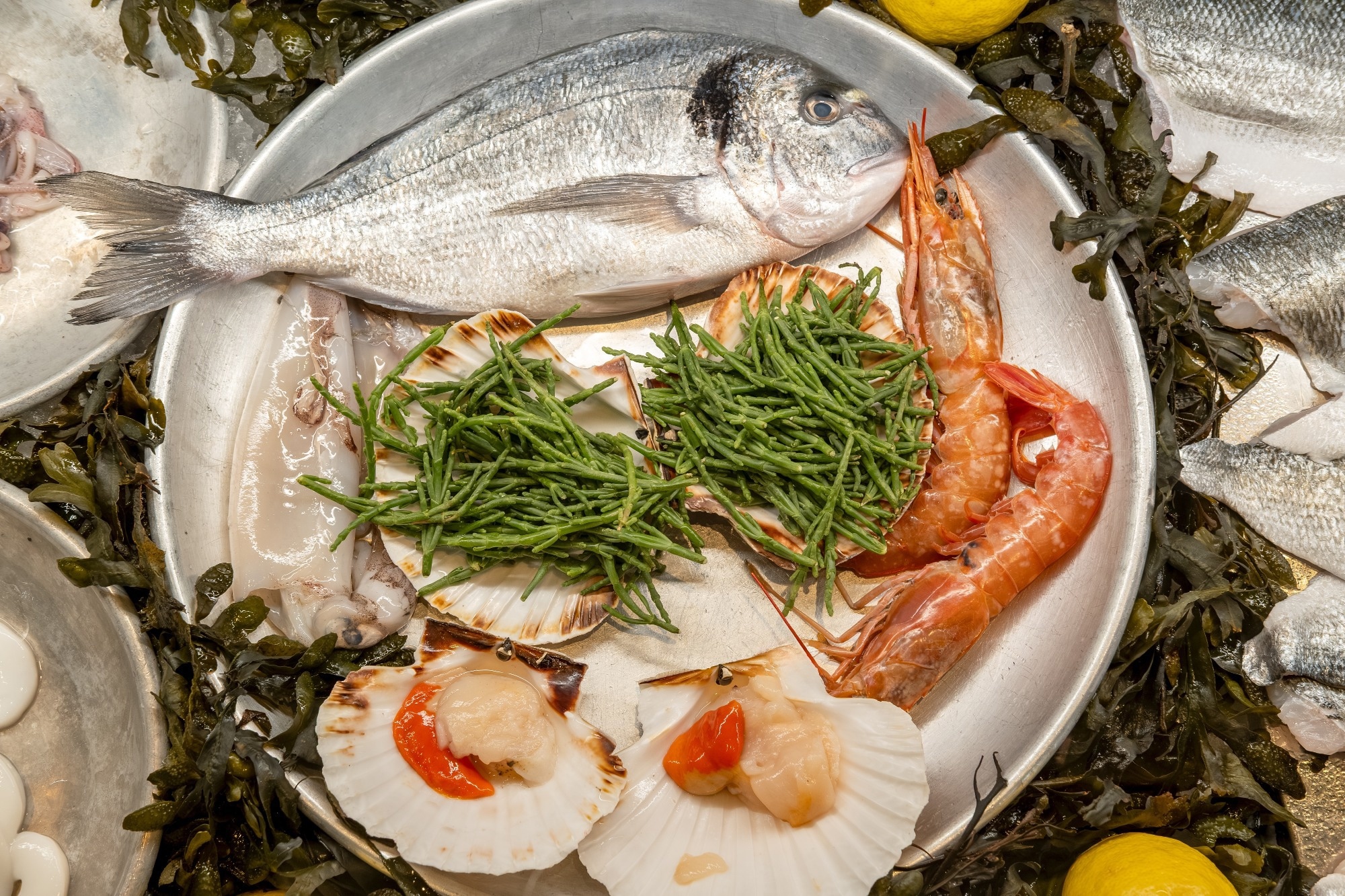
Study: Finfish intake is associated with persistent chemical burden and a PFAS-mediated pathway to γ-glutamyltransferase in Korean adults. Image Credit: Elena.Katkova / Shutterstock
In a recent study published in the journal Scientific Reports, researchers investigated associations between seafood intake and persistent chemical burden among Korean adults.
Seafood provides important nutrients, including selenium, long-chain fatty acids, iodine, and protein, and regular consumption has been linked to reduced cardiovascular mortality. Yet, seafood also carries protein-binding and lipophilic persistent chemicals. Population studies have associated fish intake with per- and polyfluoroalkyl substances (PFAS) levels. Regulatory action has been slow, with perfluorooctanesulfonic and perfluorooctanoic acids entering the Stockholm Convention in 2009 and 2019, respectively.
Annual per capita seafood intake in Korea is about three times the global average. Korean adults have higher serum PFAS levels than adults in France and the United States. Two Korean studies have linked diet to PFAS; one study reported an association between crustacean intake and serum PFAS levels, and the other identified food-contact materials and seafood as the leading contributors to PFAS burden. Previous studies had not separated the contributions of all six seafood categories.
About the study
In the present study, the researchers assessed associations between seafood intake and persistent chemicals and between these contaminants and health biomarkers. The study used data from the Korean National Environmental Health Survey (KoNEHS) cycle 5, conducted between 2021 and 2023.
Cycle 5 included serum measurements of 25 persistent organic pollutants and five PFAS from a subsample of participants across 93 districts. Participants completed a questionnaire that captured data on the intake frequency of six seafood categories: seaweed, crustaceans, shellfish, large predatory fish (e.g., sharks, tuna), finfish, and other marine products (e.g., sea cucumbers, squid).
The study's primary outcome was γ-glutamyl transferase (GGT). Secondary outcomes included the fatty liver index, alanine aminotransferase, white blood cell count, eosinophil count, glycated hemoglobin, uric acid, total immunoglobulin E, and estimated glomerular filtration rate. The researchers modeled the marine contaminant burden as a mixture of 16 analytes (contaminants) detected in ≥ 60% of the subsample.
The 16 analytes were grouped into three contaminant classes: polychlorinated biphenyls (PCBs), PFAS, and organochlorine pesticides (OCPs). The mixture contained five PFAS, seven PCBs and four OCPs, including compounds such as PFOS, PFOA and DDT-related pesticides.
Blood mercury was measured separately to help assess whether reported seafood intake reflected marine exposure. Linear regression models were used to investigate associations between seafood categories and contaminant levels. Models were adjusted for age, sex, smoking status, body mass index, alcohol intake, education, income, and exercise. Researchers also used mixture modeling and mediation analysis to examine associations with biomarkers and the potential pathway through PFAS.
Findings
The KoNEHS cycle 5 included 4,279 participants, 50.3% female, with an average age of 48.8 years. The subsample included 1,564 participants. The median total seafood consumption was about 14 servings/month. Participants in the highest tertile of seafood intake were older and less likely to smoke than those in the lowest tertile.
PFAS levels increased progressively with tertiles of seafood intake. Serum PFAS concentrations were 4.4% to 14.1% higher, blood mercury was 13.2% higher, and six of seven measured serum PCBs were 4.8% to 13% higher with each doubling of finfish intake. For shellfish, each doubling of intake was associated with 9.4% higher PFOA and 5.9% higher PFOS and PFNA, with no significant associations with chlorinated compounds.
Blood mercury levels increased by 6% for each doubling of intake of other marine products. Crustaceans, seaweed, and large predatory fish showed no positive independent associations with the measured contaminants. Some chlorinated compounds and blood mercury were inversely associated with seaweed intake. Only 3.1% of participants ate large predatory fish at least weekly, limiting the interpretation of that finding. A simultaneous quartile increment across all 16 contaminants was associated with a modest (0.9%) increase in GGT, driven mainly by PFAS, and a 0.15-point increase in the fatty liver index, with OCPs showing the strongest class-specific association.
Among domain-specific mixtures, a 1-quartile increase in PFAS was associated with a 2.8% higher GGT, while a 1-quartile increase in PCBs was associated with a 1.2% higher GGT. Finfish intake was not significantly associated with GGT; mediation analysis identified a positive indirect association through PFAS and a negative, statistically uncertain non-mediated component. The indirect PFAS association was observed in both sexes, while the full contaminant mixture showed a statistically significant association with higher GGT in men but not women. Nutrient intake was not measured, so the researchers could not determine whether the negative component reflected a nutritional benefit.
Conclusions
Taken together, the persistent chemical burden associated with seafood consumption was largely concentrated in finfish among Korean adults. Shellfish was associated with higher concentrations of three PFAS, while seaweed and crustaceans had no positive independent contribution. The 16-analyte mixture was associated with higher GGT levels and fatty liver index.
These findings support assessing marine contaminant burden by seafood category. Because the study was cross-sectional, relied on self-reported intake frequency, and did not identify individual fish species, its findings cannot establish causation or support species-specific dietary advice.
Source:
Journal reference:
- Lee I, Kim D, Yun J, Lee HY (2026). Finfish intake is associated with persistent chemical burden and a PFAS-mediated pathway to γ-glutamyltransferase in Korean adults. Scientific Reports. DOI: 10.1038/s41598-026-74744-5, https://www.nature.com/articles/s41598-026-74744-5
 Could the Mediterranean diet protect the brain through the gut?