Could the structure of your brain in midlife reveal clues about your physiological health years later? Researchers examined whether an MRI-based aging marker could offer insights beyond the brain itself.
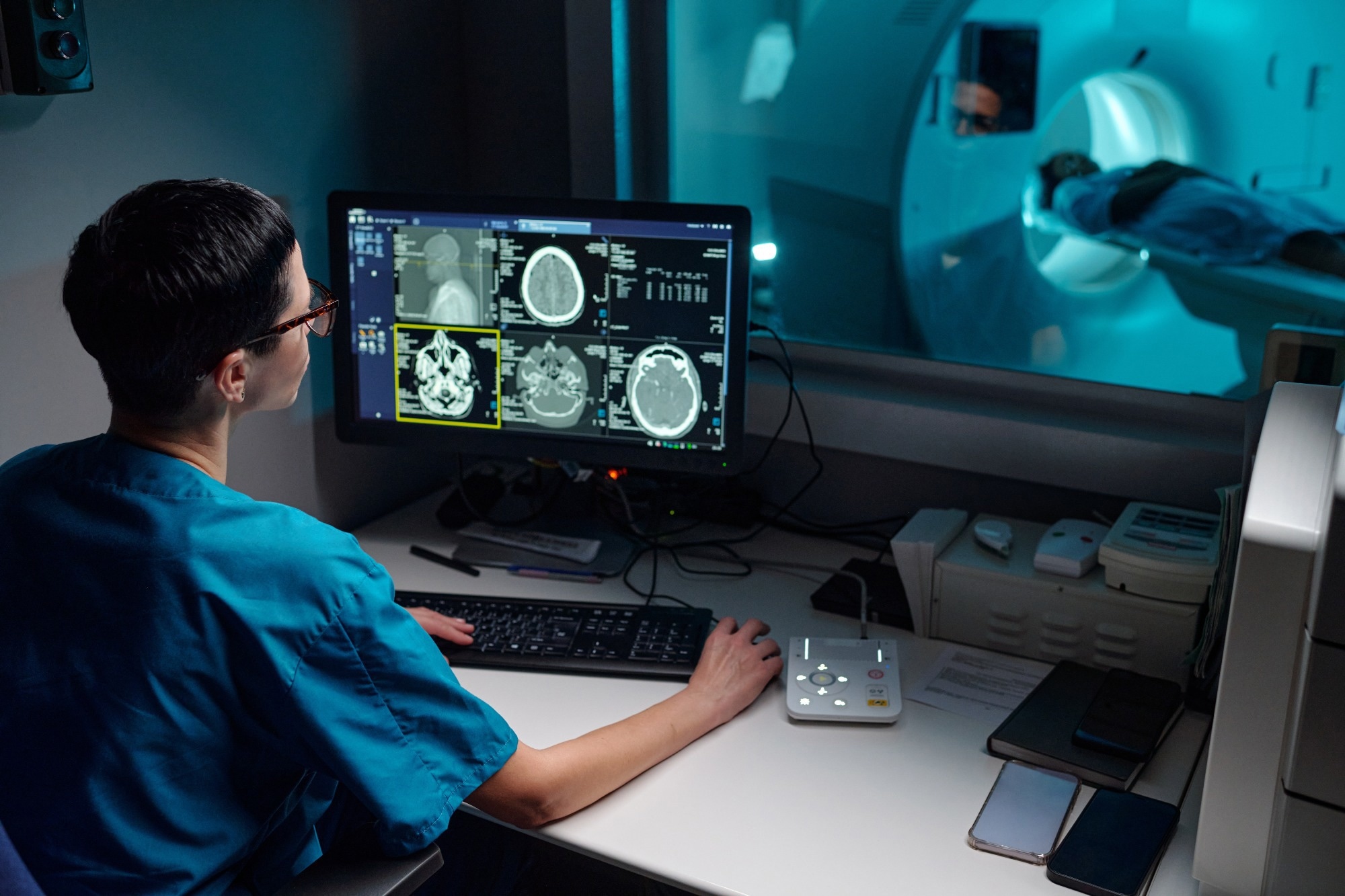
Study: Longitudinal prediction of biological aging: replication and extension of DunedinPACN. Image Credit: Pressmaster / Shutterstock
In a recent study published in the journal npj Aging, researchers validated Dunedin Pace of Aging Calculated from Neuroimaging (DunedinPACNI) across two independent midlife cohorts and investigated its association with multisystem biological aging and long-term changes in physiological health. The research was conducted by scientists from the Department of Psychology and Center for Mind-Body Science and Health at the University of Pittsburgh, in collaboration with the University of Virginia, USA.
Background
Why do some people experience faster biological aging than others of the same chronological age? Biological aging occurs over time and involves progressive declines in the functioning of multiple physiological systems. It can increase the risk of morbidity, mortality, and functional decline. Blood-based biomarkers help assess these changes, while brain imaging provides additional information about age-related structural alterations. DunedinPACNI is a magnetic resonance imaging (MRI)-based biomarker developed to estimate the pace of physiological aging using structural features from a single brain scan. Developed using data from the Dunedin Study, the model links midlife brain structure with earlier changes in 19 measures of physiological health. Previous research associated faster DunedinPACNI with socioeconomic disadvantage, chronic disease, and mortality. Its relationship with whole-body aging and its reliability across populations and biological aging measures remain uncertain.
About the study
The researchers analyzed data from two independent University of Pittsburgh cohorts: the Adult Health and Behavior (AHAB) study and the Neurobiology of Adult Health (NOAH) study. The cross-sectional analysis included 451 AHAB participants and 295 NOAH participants. Both studies recruited generally healthy adults from communities around Pittsburgh. A longitudinal subgroup of 224 AHAB participants underwent a second blood biomarker assessment 7–15 years after baseline.
Sociodemographic data, blood samples, and MRI scans were collected from the participants. MRI scans underwent analysis using FreeSurfer version 6.0 to extract measures of cortical structure, which were entered into the DunedinPACNI prediction model. The researchers assessed eight blood-based biomarkers in AHAB and six in NOAH from a recommended panel of nine, including insulin, insulin-like growth factor 1 (IGF-1), C-reactive protein (CRP), interleukin-6 (IL-6), N-terminal pro-B-type natriuretic peptide (NT-proBNP), tumor necrosis factor-alpha (TNF-α), growth differentiation factor 15 (GDF15), cystatin C, and hemoglobin A1c (HbA1c).
The biomarkers were standardized and averaged to generate separate biological aging scores for each cohort. Statistical analyses were performed using R version 4.5.1. Regression models examined associations between DunedinPACNI, educational attainment, and biological aging. Longitudinal analyses evaluated whether DunedinPACNI was associated with follow-up composite scores after accounting for baseline levels. The models adjusted for chronological age, sex, and follow-up duration where applicable. Additional sensitivity analyses examined alternative brain-age measures, with MRI image quality assessed separately in NOAH.
Study results
The findings showed that DunedinPACNI was modestly associated with chronological age in both cohorts. Participants with fewer years of education demonstrated faster DunedinPACNI in both populations. This association remained significant after adjusting for age and sex. The association was similar in magnitude in AHAB and NOAH. These results align with previous studies that reported an association between brain-based aging and educational attainment, as well as an inverse socioeconomic gradient.
Cross-sectional analyses further demonstrated that faster DunedinPACNI was associated with higher levels of multisystem biological aging in both cohorts. The relationship was statistically significant in both cohorts, with a larger numerical association in NOAH. The authors did not formally compare the two estimates because the cohorts differed in their methods and recruitment. These results suggest that individuals with faster DunedinPACNI scores also tend to have higher levels of blood biomarkers associated with aging across multiple physiological systems.
Methodological differences between cohorts included MRI scanners, acquisition protocols, recruitment periods, and eligibility criteria.
The researchers conducted additional analyses to determine whether these associations remained independent of conventional brain-age measures. They examined three established brain-age measures, including brainageR, ENIGMA, and DeepBrainNet. The associations between DunedinPACNI and biological aging remained largely consistent after adjusting for these measures. One cross-sectional association in AHAB weakened and was no longer statistically significant after adjusting for DeepBrainNet. The alternative brain-age measures showed no independent associations with the biological aging composites. The findings also remained significant after adjustment for MRI image quality in NOAH.
The longitudinal analysis provided further evidence of the relationship between brain-based and whole-body aging. Among 224 AHAB participants followed for 7–15 years, faster baseline DunedinPACNI was associated with higher biological aging composite scores at follow-up than expected from participants' baseline measurements. This association remained consistent after adjustment for the three alternative brain-age measures. By comparison, none of the alternative brain-age measures independently predicted longitudinal changes in the biomarker composite.
The combined biomarker scores showed modest internal consistency, partly because they represented different physiological systems and were measured using different laboratory methods. The repeated associations support the consistency of the DunedinPACNI findings across cohorts, rather than establishing that the composites themselves are interchangeable.
Conclusions
The findings support DunedinPACNI as a brain-based marker associated with peripheral multisystem biological aging. Faster DunedinPACNI was associated with greater physiological aging at baseline in both cohorts and greater increases in a blood-based biomarker composite over 7–15 years in AHAB. These associations remained largely consistent after accounting for alternative brain-age measures, with MRI image quality assessed in NOAH. The findings suggest that a single MRI scan may provide useful information about whole-body aging. Both cohorts comprised generally healthy adults recruited around Pittsburgh, and the longitudinal findings have not yet been independently replicated. These factors limit the generalizability of the results and their immediate clinical application.
Further validation using other biological aging markers, including deoxyribonucleic acid (DNA) methylation-based clocks and additional biomarker composites, is necessary to establish its broader applicability and reliability in future aging research and prevention studies.
Source:
Journal reference:
- Reed, R. G., DeCataldo, M. K., Rasero, J., Gianaros, P. J., & Marsland, A. L. (2026). Longitudinal prediction of biological aging: Replication and extension of DunedinPACNI. npj Aging. DOI: 10.1038/s41514-026-00562-8, https://www.nature.com/articles/s41514-026-00562-8
 Vitamin C supplements during pregnancy may support infant emotional health