More than half of adolescents receiving tirzepatide fell below the BMI threshold for obesity after 72 weeks, with improvements extending beyond weight loss to metabolic health and physical comfort, offering new hope for treatment while raising important questions about long-term safety.
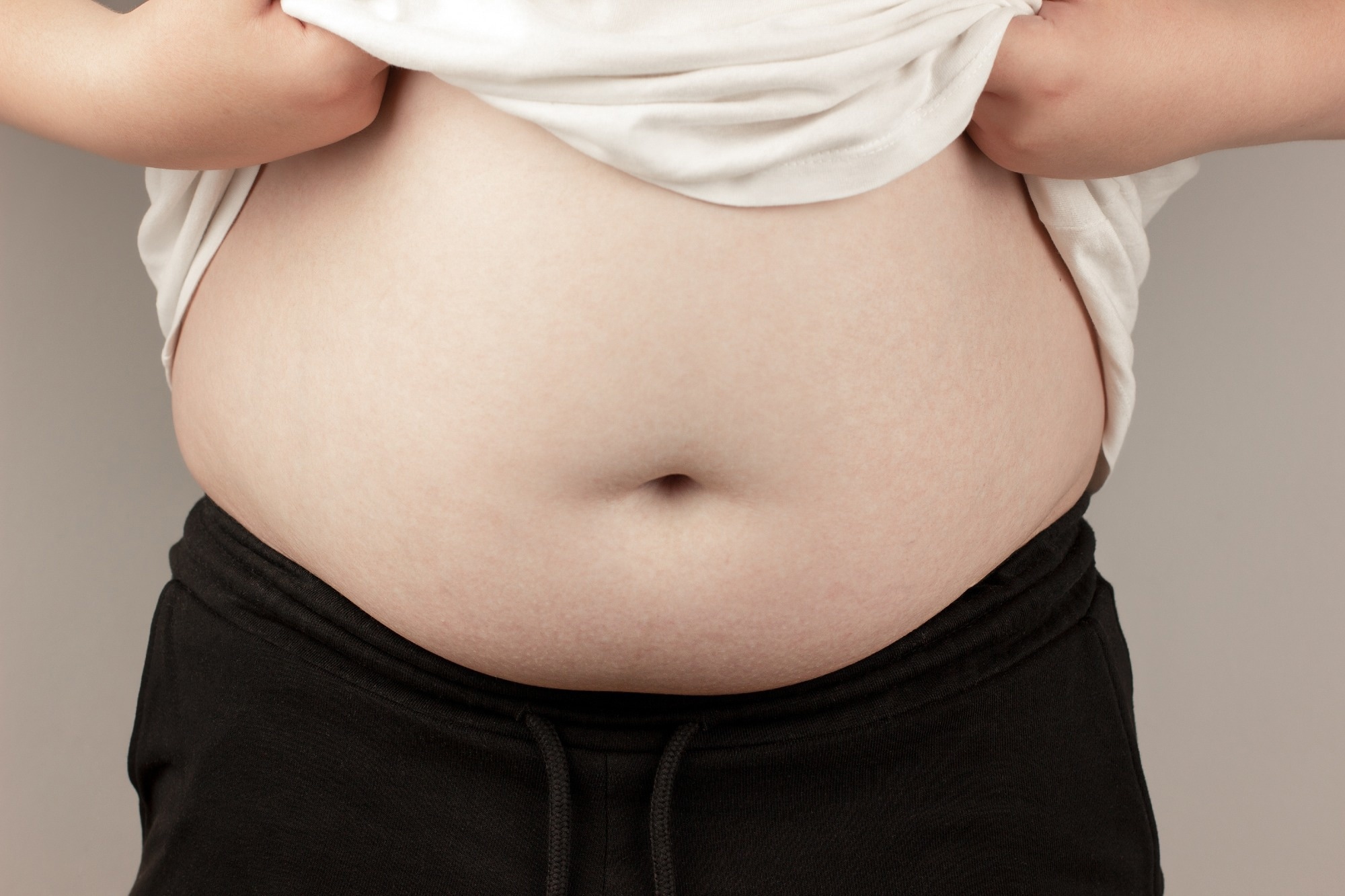 Study: Tirzepatide in Adolescents With Obesity. The SURMOUNT-ADOLESCENTS Randomized Clinical Trial. Image credit: Olha Kapusniak/shutterstock.com
A recent trial published in the journal JAMA showed that once-weekly tirzepatide reduced body mass index (BMI) by an average of 18.5% over 72 weeks in adolescents with obesity or overweight with obesity-related complications. The treatment also improved body weight, cardiometabolic risk factors, physical functioning, and quality-of-life measures.
Adolescent obesity poses lifelong cardiometabolic health risks
Obesity represents a major adolescent public health concern in the US, affecting approximately one in five adolescents. Adiposity is associated with both short- and long-term complications, including insulin resistance, hypertension, increased blood lipid levels, and adverse psychosocial and physical outcomes. In addition, such adolescents are more likely to develop obesity, type 2 diabetes (T2D), and cardiovascular disease in adult life.
In view of these risks, the American Academy of Pediatrics (AAP) recommends “early, intensive, and family-based lifestyle treatment” for adolescents with obesity. Although several medications, including semaglutide and liraglutide, are already approved for adolescent obesity, the authors argue that new pharmacotherapies need to be evaluated alongside lifestyle interventions.
Tirzepatide's therapeutic potential extends beyond adult obesity
Tirzepatide is a once-weekly dual glucose-dependent insulinotropic polypeptide (GIP) and glucagon-like peptide-1 (GLP-1) receptor agonist. It is approved in adults for the treatment of obesity or overweight with obesity-related complications, and for the treatment of T2D in adults and children 10 years and older.
In the SURMOUNT clinical trial program, tirzepatide was associated with weight reduction and better cardiometabolic markers in adults with obesity, with or without T2D. Children aged 10 to 17 years who had youth-onset T2D were also shown to benefit from tirzepatide, with reductions in blood glucose and BMI, compared with placebo. However, its safety and efficacy for weight management in adolescents with obesity or overweight with obesity-related complications have yet to be established.
Assessing tirzepatide efficacy and safety over 72 weeks
The current study was a phase 3 double-blind, placebo-controlled randomized controlled trial (RCT) with a 72-week treatment period. It involved 160 participants and was held at 31 centers across six countries, from October 2023 to June 2026.
Participants were aged 12 to 17 years at screening and had either obesity or overweight with at least one obesity-related complication. Participants were randomized 2:1 to once-weekly subcutaneous tirzepatide, increased to a maximum tolerated dose (5, 10, or 15 mg), or placebo for 72 weeks, in addition to lifestyle interventions. These included individualized counseling on healthy eating and physical activity.
The primary endpoint was the percentage change in BMI from baseline to week 72. Key secondary endpoints included percentages of participants achieving BMI reductions of at least 5%, at least 10%, at least 15%, and at least 20%; changes in BMI SD score; BMI expressed as a percentage of the 95th percentile; and body weight, waist circumference, and physical functioning from baseline to week 72.
Safety outcomes included treatment-emergent adverse events, serious adverse events, and discontinuations due to adverse events.
While 109 participants were assigned to tirzepatide, 51 were assigned to placebo. One participant withdrew before receiving tirzepatide. The mean baseline age was 14.6 years, and most participants (61.9%) were female. The mean body weight was 109.7 kg, and the mean BMI was 38.6 kg/m².
Tirzepatide reduces adolescent BMI by nearly one-fifth
After 72 weeks, adolescents receiving tirzepatide experienced an average BMI reduction of 18.5%, compared with a slight increase of 0.5% in the placebo group. When researchers accounted for the potential effects of continued treatment without discontinuation, the estimated BMI reduction reached 21.4%.
The benefits were consistent across all 10 key secondary outcomes. Nearly 80% of tirzepatide recipients achieved a BMI reduction of at least 5%, while almost half achieved reductions of 20% or more, compared with just 8% of placebo recipients.
Tirzepatide also produced substantial improvements in other measures of obesity, with participants experiencing reductions in body weight and waist circumference that were 20.1 kg and 16.4 cm greater, respectively, than those in the placebo group.
Tirzepatide improves metabolic health and physical comfort
The benefits extended beyond weight reduction. Tirzepatide was also associated with improvements in blood pressure, blood lipid profile, blood glucose, glycated hemoglobin, and fasting insulin.
In the Impact of Weight on Quality of Life–Kids (IWQOL-Kids) Physical Comfort domain, the estimated treatment difference was 10.3 points, exceeding the estimated threshold for a clinically meaningful improvement. IWQOL-Kids total and Body Esteem domain scores also improved, although these findings were not consistent across both analytical approaches. No significant improvements were observed in social life or family relations compared with placebo.
By week 72, more than half of participants in the tirzepatide group had a BMI below the age- and sex-specific 95th percentile threshold for obesity, compared with just 7.1% of placebo recipients.
Gastrointestinal side effects dominate tirzepatide's safety profile
Among all participants who took at least one dose of the randomized treatment, 95.4% of tirzepatide recipients reported adverse events (AEs) compared with 82.4% of the placebo group. Gastrointestinal AEs affected 81.5% of tirzepatide recipients and were predominantly mild or moderate, with nausea, vomiting, and diarrhea occurring more frequently during dose escalation. Antiemetics were used by 22.2% of tirzepatide recipients versus 3.9% with placebo. Depression or suicidal ideation was reported as an AE in 4.6% of tirzepatide recipients and 2.0% of placebo recipients, although none of these events were classified as serious.
Treatment discontinuation due to AEs occurred in 9.3% of the tirzepatide recipients and none of the placebo recipients. Dose reductions due to gastrointestinal effects also occurred among 0.9% to 9.3% of tirzepatide recipients, depending on the AE.
Serious AEs (SAEs) occurred in eight participants receiving tirzepatide and two participants receiving placebo. Events considered treatment-related by investigators included abdominal pain, vomiting, dehydration, and reduced appetite in one participant, as well as gallstones and gallbladder removal.
Measures of growth, height SD scores, and pubertal progression were similar between groups, with no apparent disruption of expected adolescent development during the 72-week treatment period.
Adolescent trial findings align with earlier tirzepatide research
These findings show that tirzepatide produces marked body weight and BMI reductions in adolescents with obesity, along with improvements in cardiometabolic risk factors and physical functioning.
Notably, nearly half of tirzepatide recipients achieved a BMI reduction of at least 20%, despite not all participants reaching the maximum dose. Among those who completed tirzepatide treatment, 23% received 5 mg, 15% received 10 mg, and 62% received the highest dose of 15 mg at week 72.
The results are concordant with those of the SURMOUNT-1 trial in adults, with approximately 20% body weight reduction at tirzepatide doses of 10 mg and 15 mg. They also agree with the improved BMI and blood sugar levels obtained with tirzepatide in the SURPASS-PEDS trial in children with youth-onset T2D.
The authors note that earlier GLP-1RAs have been successfully trialed in adolescents with obesity, often with cardiometabolic and functional benefits as well. For example, the STEP TEENS trial reported a 16.1% reduction in BMI with semaglutide over 68 weeks, although direct comparisons between the two drugs cannot be made from these separate trials.
Among adolescents, the desire for physical fitness and activity, and increased social confidence may be key motivating factors for weight-reduction efforts. The authors argue that IWQOL domain score improvements with tirzepatide, primarily in areas of physical comfort and body esteem, may help address some of these motivations by improving adolescents' ability to perform daily activities and how they feel about their bodies.
Though 21% of participants assigned to tirzepatide discontinued the treatment, compared with 31% of placebo recipients, this did not appear to change the interpretation of the findings, which were generally consistent across both analytical approaches. Adverse events were the most common reason for discontinuation in the tirzepatide group, while lack of efficacy was the most common reason in the placebo group. Preparing younger patients and their families for the potential AEs, especially gastrointestinal symptoms, to be expected with GLP-1RAs, might help achieve better long-term participation in such clinical studies.
Five tirzepatide recipients reported suicidal ideation on a standardized assessment, including one who reported active suicidal ideation without a plan or intent to act. All participants with suicidal ideation had a prior psychiatric history, and none discontinued treatment for this reason. Although the small number of events does not establish an increased risk associated with tirzepatide, continued vigilance is essential in this population, according to the authors.
Long-term safety and developmental effects remain uncertain
The trial had limitations commonly encountered when testing obesity drugs in adolescents. Longer-term follow-up data are needed to establish the durability of the benefits and long-term safety. Only one participant had T2D, and one was overweight, limiting the applicability of the findings to these populations.
There was little racial and ethnic diversity in the cohort, limiting generalizability. Also, 62% of female and 43% of male participants were in full sexual maturity at baseline, limiting the assessment of treatment effects on growth and maturation in adolescence. The authors recommend ongoing follow-up of pubertal progression and expected growth rates.
The trial was sponsored by Eli Lilly, the manufacturer of tirzepatide, which was involved in study design, data analysis, interpretation, and manuscript preparation.
Tirzepatide shows promise for adolescent obesity management
The findings from this RCT of tirzepatide in adolescents with obesity or overweight with at least one obesity-related complication, along with lifestyle intervention, show substantial and clinically meaningful reductions in BMI over 72 weeks. These benefits were accompanied by improvements in cardiometabolic risk factors, physical functioning, and body weight measures. Gastrointestinal AEs were the most common, especially during the dose-escalation period.
While the findings support tirzepatide's potential as a treatment option for adolescent obesity, longer-term studies are needed to establish its sustained efficacy and safety in this population.
 Most eligible teens miss out on advanced obesity treatments