Introduction
What are edible cacti?
Blood sugar regulation
Effects on cholesterol and triglycerides
Gut microbiota modulation
Bioactive compounds beyond fiber
Practical dietary considerations
Research gaps and limitations
References
Further reading
From traditional nopales to modern functional foods, this evidence-based review explains what edible cacti can, and cannot, do for blood sugar, cholesterol, and the gut microbiome.
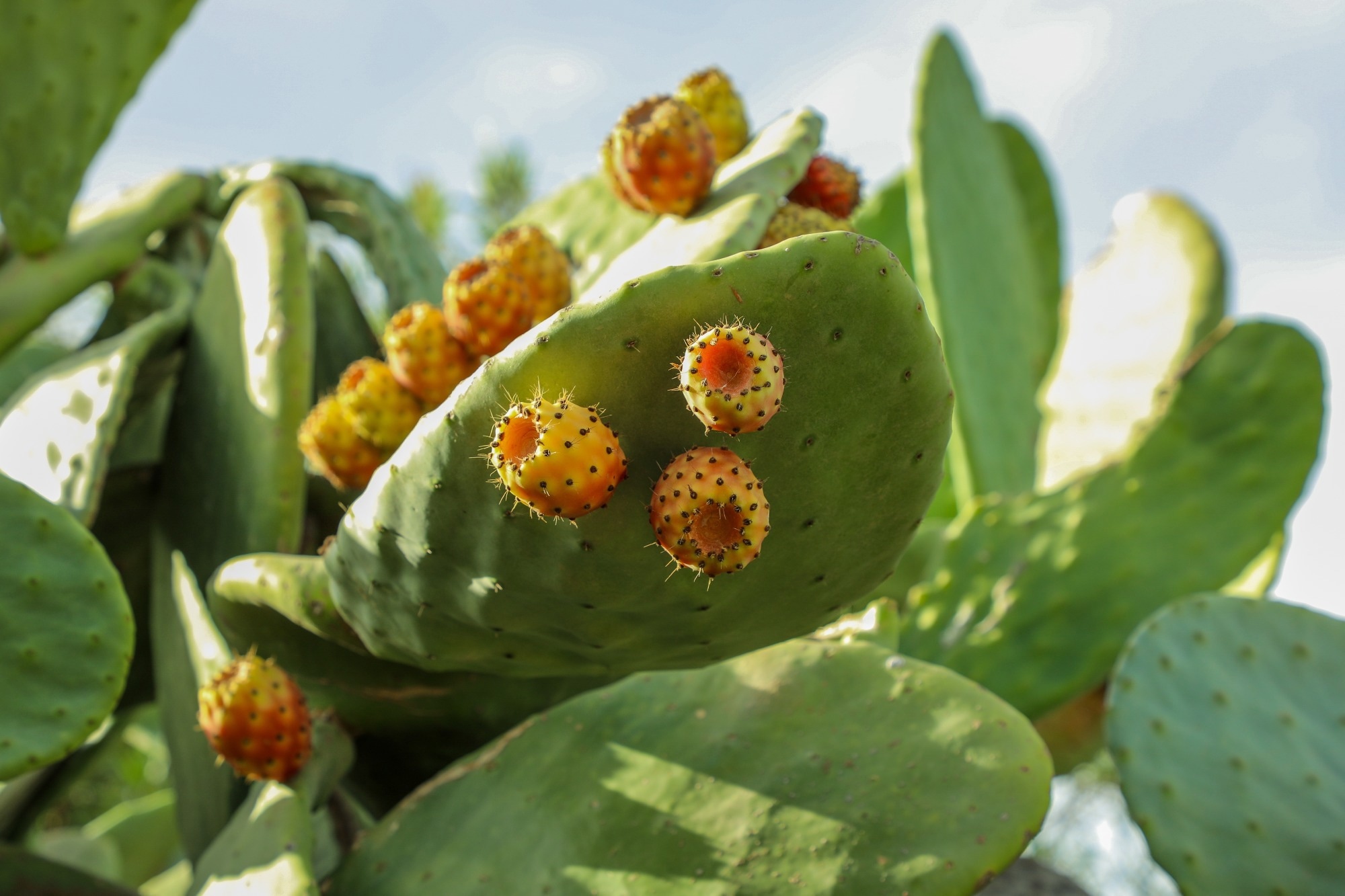 Image Credit: Svitlana Jasna / Shutterstock.com
Introduction
Edible cacti, particularly nopal and prickly pear fruit from Opuntia ficus-indica, have historically been consumed in dry and water-scarce regions. As an essential component in traditional diets, particularly in Mexico, edible cacti have gained renewed scientific interest as sustainable and functional foods due to their nutritional profiles.
As the prevalence of metabolic disorders continues to rise globally, researchers are increasingly investigating edible cacti for their potential influence on blood glucose regulation, lipid metabolism, and possible interactions with the gut microbial ecosystem.1
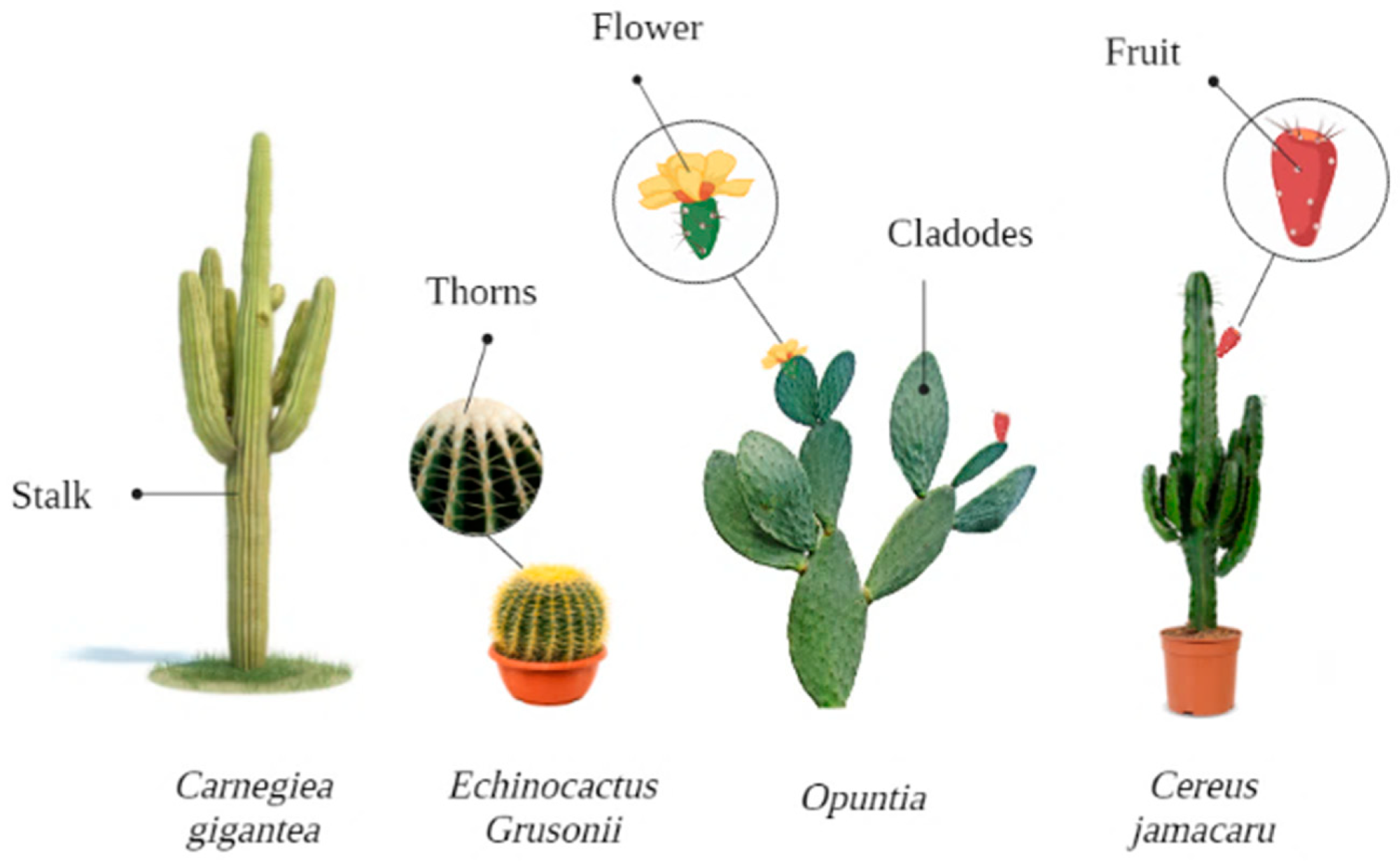
Morphological diversity of the main cactus species.3
What are edible cacti?
Edible cacti are plants that belong to the Cactaceae family. Globally, individuals consume the pads, seeds, fruits, and flowers of these plants as food. Typically, the young pads, which are referred to as cladodes or nopales, and the fruits or prickly pears of the Opuntia species are consumed; however, other genera, such as Hylocereus (dragon fruit), are also edible.2,3
Edible cacti are nutritionally rich in soluble fiber and mucilage, which support digestive function and glycemic control, as well as key minerals like calcium, potassium, and magnesium, and vitamins C and E. The distinguishing feature of most cactus fruits is the presence of vibrant betalain pigments, namely betacyanins and betaxanthins, which, along with flavonoids and polyphenols, exert antioxidant effects.1–3
In the American Southwest and Mexico, nopales are often incorporated into stews, salads, tacos, or consumed with eggs, either cooked or fresh, whereas prickly pear fruit is consumed fresh or in processed forms. Conventional preparation methods include spine removal and cooking techniques to reduce mucilage and improve palatability.4
Blood sugar regulation
The high content of soluble fiber and bioactive polysaccharides confers blood glucose–lowering properties to edible cacti by absorbing water and forming viscous gels in the gastrointestinal tract. These gels slow gastric emptying and reduce the rate of carbohydrate digestion and glucose absorption, thereby attenuating postprandial glucose excursions.5,6
Acute crossover studies in healthy individuals and people with type 2 diabetes consistently report that cooked or powdered nopal consumed with carbohydrate-rich meals reduces postprandial glucose responses, often without a parallel increase in insulin secretion.7–9Short-term interventions (8–12 weeks) using cladode powders or cactus fiber supplements show modest improvements in fasting or postprandial glycemia; however, evidence for clinically meaningful improvements in insulin resistance or HbA1c remains limited.6,7
Prickly pear fruit and juice interventions have produced less consistent glycemic effects, with most studies showing minimal or no impact on longer-term glycemic markers. Taken together, current evidence indicates that cactus pads (cladodes) provide more reproducible glycemic benefits than the fruit, particularly when consumed as part of mixed meals.6,7
Effects on cholesterol and triglycerides
The lipid-lowering effects of edible cacti, particularly nopal pads, are primarily attributed to their soluble fiber, phytosterol, and antioxidant content. Soluble fibers such as pectin and mucilage bind bile acids in the intestine and increase fecal excretion, thereby reducing intestinal cholesterol absorption.
As a result, the liver draws upon circulating cholesterol to synthesize new bile acids, contributing to reductions in low-density lipoprotein (LDL) and total cholesterol (TC). Naturally occurring plant sterols, including β-sitosterol, further compete with dietary cholesterol for intestinal uptake.10
Animal studies and small human trials suggest that supplementation with cactus cladodes or fiber-enriched products for 8–12 weeks can produce statistically significant but generally modest reductions in TC, LDL, and triglycerides. Meta-analytic evidence indicates that while lipid improvements are reproducible, effect sizes are small and do not establish reductions in cardiovascular events.9,10
Antioxidant compounds such as polyphenols, betalains, and isorhamnetin derivatives may contribute indirectly by reducing oxidative stress and inflammation, which are linked to dyslipidemia. Overall, edible cacti appear to be a supportive dietary adjunct for lipid management rather than a stand-alone cardiovascular therapeutic intervention.10
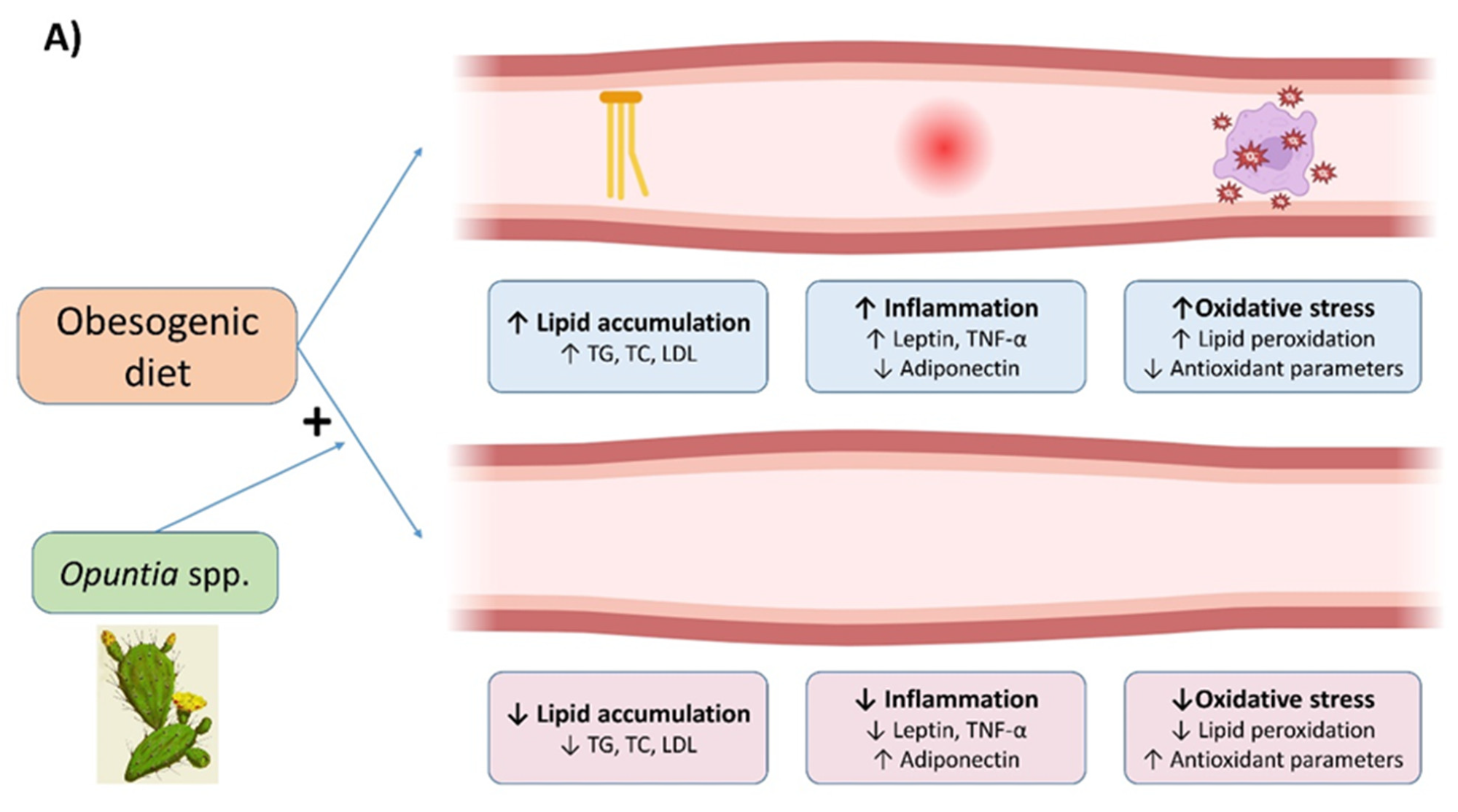
Graphical summary of the beneficial effects of Opuntia spp. in plasma.9
Gut microbiota modulation
Cactus polysaccharides exhibit prebiotic potential due to their resistance to digestion in the upper gastrointestinal tract. In vitro fermentation studies demonstrate that cactus mucilage and pectin-rich fractions can stimulate the growth of beneficial genera such as Bifidobacterium and Lactobacillus, while suppressing selected pathogenic taxa.3,11
Evidence from animal models indicates that cladode supplementation can increase microbial diversity and alter taxa associated with carbohydrate fermentation and short-chain fatty acid (SCFA) production, changes that are statistically associated with improved glucose tolerance and lipid profiles. SCFAs generated during fermentation are mechanistically linked to gut barrier integrity and metabolic signaling.5,6
Human evidence remains preliminary. Limited pilot studies suggest that regular nopal consumption may modestly alter gut microbial composition and improve gastrointestinal comfort; however, causal relationships between cactus intake, changes in microbiota, and metabolic outcomes in humans have not yet been demonstrated.3
Bioactive compounds beyond fiber
Edible cacti contain a diverse array of bioactive compounds, particularly betalains and phenolic flavonoids, with antioxidant and anti-inflammatory properties. Experimental models show that isorhamnetin glycosides and related compounds reduce lipid peroxidation and oxidative stress markers, while enhancing endogenous antioxidant enzymes such as superoxide dismutase (SOD).2,11
Preclinical studies further indicate that cactus-derived flavonoids modulate inflammatory signaling pathways, including NF-κB, PI3K/AKT, and MAPK, and downregulate pro-inflammatory mediators such as TNF-α and IL-6.2,3 These effects are well documented in cellular and animal models, but their relevance to long-term human health outcomes remains uncertain.
Practical dietary considerations
Edible cacti are available as fresh vegetables, powders, juices, supplements, and extracts. Traditionally, young cladodes are used as vegetables in salads, stews, or sautéed dishes, whereas fruits are consumed fresh or processed into jams, juices, and fermented products. More recently, cactus-derived ingredients have been incorporated into functional foods and gluten-free formulations.2,3,7
Processing methods such as drying, cooking, or fermentation can alter fiber viscosity and polyphenol bioavailability, potentially influencing metabolic effects. As a result, physiological responses vary widely depending on dose, preparation, and dietary context.3
Edible cactus products are generally considered safe. Reported adverse effects are mild and primarily gastrointestinal at higher intakes. Individuals using glucose-lowering medications should exercise caution, as additive glycemic effects are theoretically possible.6
Research gaps and limitations
Despite increasing interest, most human studies on edible cacti are short-term, small in scale, and methodologically heterogeneous. Systematic reviews highlight limitations, including variable cactus preparations, inconsistent outcome measures, and limited blinding, all of which constrain generalizability.6
Future research should prioritize standardized interventions, longer follow-up periods, and clinically relevant endpoints such as HbA1c, sustained lipid changes, and hard cardiovascular outcomes. Well-controlled human studies are also needed to clarify the role of gut microbiota modulation as a potential mediator rather than a proven mechanism of metabolic effects.6
References
- Tunç, Y., Yaman, M., Yılmaz, K. U., et al. (2025). Biochemical, nutritional, and nutraceutical properties of cactus pear accessions. Scientific Reports 15(1); 19755. DOI: 10.1038/s41598-025-04726-6. https://www.nature.com/articles/s41598-025-04726-6
- De Araújo, F. F., De Paulo Farias, D., Neri-Numa, I. A., & Pastore, G. M. (2021). Underutilized plants of the Cactaceae family: Nutritional aspects and technological applications. Food Chemistry 362; 130196. DOI: 10.1016/j.foodchem.2021.130196. https://www.sciencedirect.com/science/article/pii/S0308814621012024
- Monteiro, S. S., Almeida, R. L., Santos, N. C., et al. (2023). New Functional Foods with Cactus Components: Sustainable Perspectives and Future Trends. Foods 12(13); 2494. DOI: 10.3390/foods12132494. https://www.mdpi.com/2304-8158/12/13/2494
- Shetty, A. A., Rana, M. K., & Preetham, S. P. (2011). Cactus: A medicinal food. Journal of Food Science and Technology 49(5); 530. DOI: 10.1007/s13197-011-0462-5. https://link.springer.com/article/10.1007/s13197-011-0462-5
- Kashif, R. R., Mellor, D. D., Alexopoulos, N. I., et al. (2022). Prickly Pear Cacti (Opuntia spp.) Cladodes as a Functional Ingredient for Hyperglycemia Management: A Brief Narrative Review. Medicina 58(2); 300. DOI: 10.3390/medicina58020300. https://www.mdpi.com/1648-9144/58/2/300
- Ma, C., Tang, W., Zhao, X., et al. (2025). Research progress on the inhibitory effects of cactus bioactive components on diabetes. Chinese Journal of Analytical Chemistry. DOI: 10.1016/j.cjac.2025.100663. https://www.sciencedirect.com/science/article/pii/S1872204025001720
- Gouws, C. A., Georgousopoulou, E. N., Mellor, D. D., et al. (2019). Effects of the Consumption of Prickly Pear Cacti (Opuntia spp.) and its Products on Blood Glucose Levels and Insulin: A Systematic Review. Medicina 55(5); 138. DOI: 10.3390/medicina55050138. https://www.mdpi.com/1648-9144/55/5/138
- Koufan, M., Choukrane, B., & Mazri, M. A. (2023). Structure–Function Relationships and Health-Promoting Properties of the Main Nutraceuticals of the Cactus Pear (Opuntia spp.) Cladodes: A Review. Molecules 29(19); 4732. DOI: 10.3390/molecules29194732. https://www.mdpi.com/1420-3049/29/19/4732
- Onakpoya, I. J., O'Sullivan, J., & Heneghan, C. J. (2015). The effect of cactus pear (Opuntia ficus-indica) on body weight and cardiovascular risk factors: A systematic review and meta-analysis of randomized clinical trials. Nutrition 31(5); 640-646. DOI: 10.1016/j.nut.2014.11.015. https://www.sciencedirect.com/science/article/abs/pii/S0899900714005152
- Gómez-García, I., Fernández-Quintela, A., González, M., et al. (2024). Usefulness of Opuntia spp. on the Management of Obesity and Its Metabolic Co-Morbidities. Nutrients 16(9); 1282. DOI: 10.3390/nu16091282. https://www.mdpi.com/2072-6643/16/9/1282
- Perucini-Avendaño, M., Nicolas-Garcia, M., Jiminez-Martinez, C., et al. (2021). Cladodes: Chemical and structural properties, biological activity, and polyphenols profile. Food Science & Nutrition 9(7); 4007-4017. DOI: 10.1002/fsn3.2388. https://onlinelibrary.wiley.com/doi/10.1002/fsn3.2388
Further Reading
Last Updated: Jan 22, 2026
 Researchers followed glucose monitor users for three years and found a possible kidney benefit