Introduction
What are pili nuts?
Nutritional composition of pili nuts
Fatty acid profile and healthy fats
Potential health benefits
Culinary applications and functional properties
Conclusions
References
Further reading
Pili nuts are a nutrient-dense tropical tree nut rich in monounsaturated fats, minerals, and bioactive compounds with promising antioxidant and cardiometabolic relevance. Current evidence supports their nutritional value and functional potential, but pili-specific human studies remain limited and broader nut research still provides most of the health context.
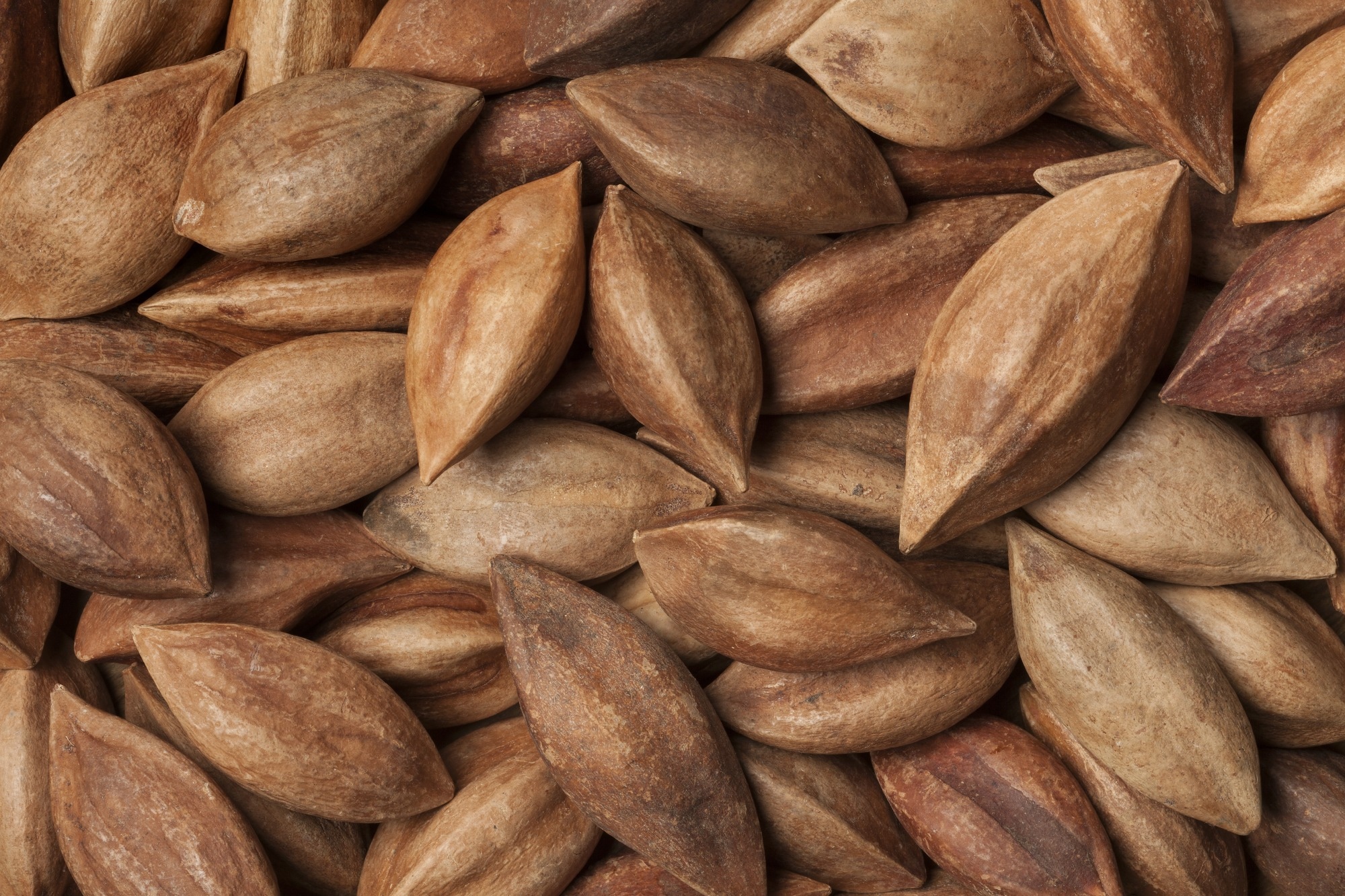 Image Credit: Picture Partners / Shutterstock.com
Introduction
Traditionally a staple food throughout Southeast Asia, the pili nut is increasingly attracting global interest as a functional food, particularly for its nutritional profile and potential health benefits, including antioxidant activity and cardiovascular support, although direct human evidence specific to pili nuts remains limited.6
What are pili nuts?
Derived from Canarium ovatum, a tree native to the volcanic soils of the Philippine Bicol region, pili nuts are lipid-rich drupes that play an important role in the Southeast Asian ecosystem and regional agrarian economies.1 Pili nuts are characterized by an elliptical shape and lengths typically ranging from 40 to 70 mm.
The pili fruit consists of a smooth skin, fibrous and fleshy pulp, and a stony, trigonous shell that encases the kernel. Traditionally, pili pulp is boiled, whereas the kernels have historically been consumed as a dry snack or in confectionery applications.1
Pili nut pulp is contained within a highly durable shell structure, with a mechanical resistance of 1.6-3.1 kN against fracture forces attributed primarily to its hierarchical shell architecture and mechanical design, rather than high silicon content. This structural resilience protects the lipid-rich kernel from ecological stressors and pathogens, allowing the pili tree to survive across a wide range of environmental conditions.1
Nutritional composition of pili nuts
High-throughput nutriomics studies indicate that the pili nut kernel has a high energy density of 704-749 kcal/100 g serving. The overall macronutrient profile of pili nuts includes 67.2-74.1% fat content, along with 11.5-13.2% crude protein and dietary fiber levels ranging from 3.4% to 9.9%.3
Pili nuts are also potent sources of tocopherols and beta-carotene, as well as bioavailable minerals like potassium, calcium, magnesium, copper, manganese, zinc, and iron. For example, 54.4-61.2% of the magnesium in pili kernels is bioavailable following simulated small-intestinal digestion, highlighting its potential in managing electrolyte balance and bone density.3
Pili pulp oil contains up to 18 major bioactive compounds, including cyclic triterpenoids like alpha-amyrin and beta-amyrin, as well as phytosterols like beta-sitosterol and stigmasterol. These minor lipid species exhibit high antioxidant activity that is comparable to that of alpha-tocopherol, and the extract also showed antibacterial activity against E. coli and S. typhi in vitro.7
Pili Hunters, The MOST NUTRITIOUS Nut on the PLANET
Fatty acid profile and healthy fats
C. ovatum is dominated by unsaturated fats that have been consistently associated with improved lipid profiles and cardiovascular health.4 Evidence from the broader nut literature indicates that regular nut consumption lowers total cholesterol, LDL cholesterol, and triglycerides, with no consistent increase in HDL cholesterol.5
Compared with other tree nuts like almonds and macadamia nuts, pili nuts contain a substantial proportion of monounsaturated fatty acids (MUFAs), specifically oleic acid, which accounts for 56-60% of their total fat content, followed by palmitic, linoleic, and stearic acids.4
During the maturation of pili nuts from green to ripe black, their total fat content increases from about 45% to 62%. As maturity progresses, oleic and palmitic acids increase, whereas linoleic and linolenic acids decrease.4
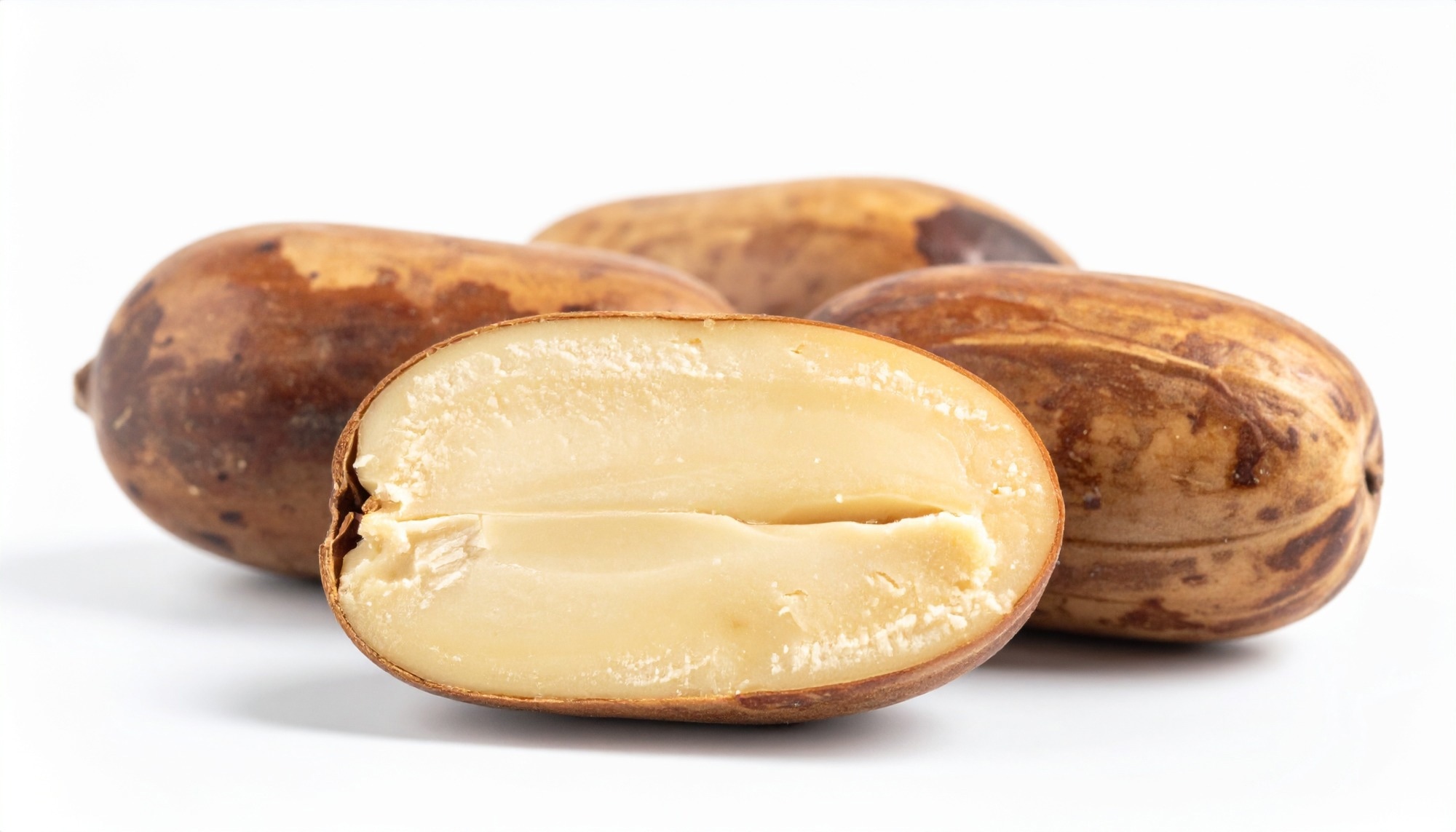 Image Credit: Meilan Photography / Shutterstock.com
Potential health benefits
To date, few human studies have been conducted to evaluate the safety and health effects directly attributed to pili nut consumption. Most studies have been experimental, with nutritional composition analyses confirming the fatty acid composition and antioxidant retention capabilities, in addition to phytochemical studies supporting the bioactive potential of pili nuts.
Research on pili nuts remains limited compared to common tree nuts such as almonds and walnuts. Current evidence for pili nuts is largely compositional, in vitro, or food-processing based, thus emphasizing the need for long-term randomized controlled trials (RCTs).2,5 Data variability between different cultivars and maturity stages also necessitates standardized research to confirm consistent health outcomes across various pili nut populations.5
Daily nut consumption reduces the risk of cardiovascular disease by mitigating inflammation and improving lipid profiles. MUFAs present in pili nuts likely contribute to these effects through mechanisms similar to those observed for almonds, walnuts, and macadamia nuts. The high magnesium content of pili nuts may confer additional metabolic benefits by improving glucose regulation, but these cardiometabolic effects have been demonstrated for nuts as a group rather than specifically for pili nuts in human trials.5,6
Broader tree-nut research also links regular nut intake with reduced oxidative stress and inflammation, as well as possible benefits for cognitive performance and gut microbiota composition, but these outcomes have not yet been directly established for pili nuts.6
From a safety perspective, EFSA did not raise objections to the marketing of Canarium ovatum nuts as a traditional food in the European Union based on the available composition and history-of-use data.2
Culinary applications and functional properties
The high concentration of MUFAs in pili nuts, which is comparable to that of olive oil, enables the incorporation of this oil into food preparations ranging from sardines to salad dressing. Pili pulp oil has been described as comparable to olive oil in fatty acid quality, but direct evidence that it is less heat-sensitive than olive oil is limited.4
Roasting pili nuts minimizes the leaching of water-soluble flavonoids and facilitates the Maillard reaction, thereby generating compounds that inhibit lipid oxidation. Among the cooking methods studied, roasting also produced the smallest reduction in antioxidant activity, whereas boiling decreased unsaturated fatty acid content.8 Roasted kernels can be easily formulated into texture-modified puddings that meet specific hardness criteria conducive to consumption by older adults. These formulations require gelatin concentrations below 2.9%, thus making them suitable for individuals with dysphagia.
In addition to culinary uses, the MUFAs in pili nuts also have industrial applications in the production of soaps, detergents, and cosmetics. Specifically, linoleic acid, widely used to manufacture cosmetic and personal care products, has been detected in appreciable amounts in both pili pulp and oil. Compared with other fatty acids, stearic acid is a common component of chemicals, surfactants, cosmetics, and pharmaceuticals.
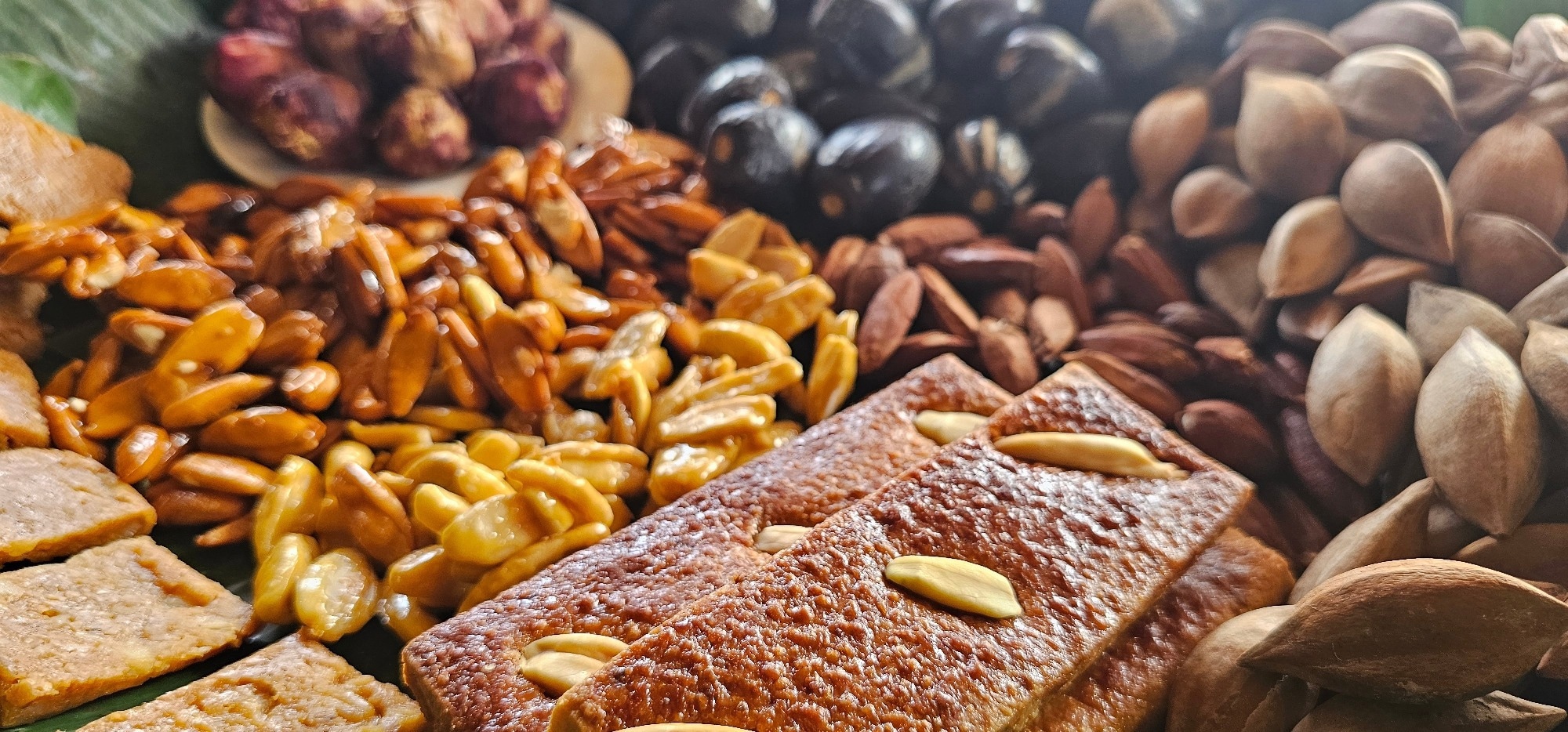 Image Credit: RA Ostria / Shutterstock.com
Conclusions
The pili nut is a nutrient-dense food rich in MUFAs, bioavailable minerals, and potent antioxidants, all of which are associated with documented cardiometabolic health benefits in the broader nut literature. Nevertheless, large-scale human clinical trials are needed to clarify the long-term health effects of pili nuts as compared with other popular nuts, including their effects on inflammation, oxidative stress, and other cardiometabolic endpoints.5,6
References
- Ali, S. A., Mylo, M. D., Perrin, J., et al. (2025). Design across hierarchy: morphological and mechanical insights into pili nuts (Canarium ovatum). Materials & Design 260; 115163. DOI: 10.1016/j.matdes.2025.115163. https://www.sciencedirect.com/science/article/pii/S0264127525015849?via%3Dihub
- European Food Safety Authority (EFSA). (2022). Technical Report on the notification of nuts of Canarium ovatum Engl. as a traditional food from a third country pursuant to Article 14 of Regulation (EU) 2015/2283 [JB]. EFSA Supporting Publications 19(5). DOI: 10.2903/sp.efsa.2022.EN-7314. https://efsa.onlinelibrary.wiley.com/doi/abs/10.2903/sp.efsa.2022.EN-7314
- Millena, C. G., & Sagum, R. S. (2018). Philippine Pili (Canarium ovatum, Engl.) varieties as source of essential minerals and trace elements in human nutrition. Journal of Food Composition and Analysis 69; 53-61. DOI: 10.1016/j.jfca.2018.02.008. https://www.sciencedirect.com/science/article/am/pii/S0889157518300474
- Millena, C., Baloloy, K. A., Doma, N., & Hernan, P. (2022). Effect of Maturity on Physicochemical and Fatty Acid Profile of Philippine Pili (Canarium ovatum Engl.). Philippine Journal of Science 152(1). DOI: 10.56899/152.01.11. https://philjournalsci.dost.gov.ph/wp-content/uploads/2025/07/effect_of_maturity_on_physicochemical_and_factty_acid_profile_of_pili_.pdf
- Guasch-Ferré, M., et al. (2023). Effects of Nut Consumption on Blood Lipids and Lipoproteins: A Comprehensive Literature Update. Nutrients 15(3); 596. DOI: 10.3390/nu15030596. https://www.mdpi.com/2072-6643/15/3/596
- Gervasi, T., Barreca, D., Laganà, G., & Mandalari, G. (2021). Health Benefits Related to Tree Nut Consumption and Their Bioactive Compounds. International Journal of Molecular Sciences 22(11); 5960. DOI: 10.3390/ijms22115960. https://www.mdpi.com/1422-0067/22/11/5960
- Dumandan, N. G., Kagaoan, A. C. T., Acda, R. D. P., et al. (2022). Extraction, Profiling, and Characterization of Phytosterols and Triterpenoids from Pili (Canarium ovatum Engl.) Pulp Oil Exhibiting Antioxidant and Antibacterial Properties. Biochemistry Research International 1-8. DOI: 10.1155/2022/6604984. https://onlinelibrary.wiley.com/doi/10.1155/2022/6604984
- Kim, D. & Park, J. H. (2025). Changes in nutritional properties based on cooking methods of pili nuts (canarium ovatum engl.) and their applicability as elder-friendly food. Cogent Food & Agriculture 11(1). DOI: 10.1080/23311932.2025.2546990. https://www.tandfonline.com/doi/full/10.1080/23311932.2025.2546990
Further Reading
Last Updated: Apr 3, 2026