Swapping common snack foods for a modest daily portion of tree nuts curbed cravings for sweets and fast foods and lifted diet quality scores in young adults with early cardiometabolic risk, without weight gain or adverse metabolic effects.
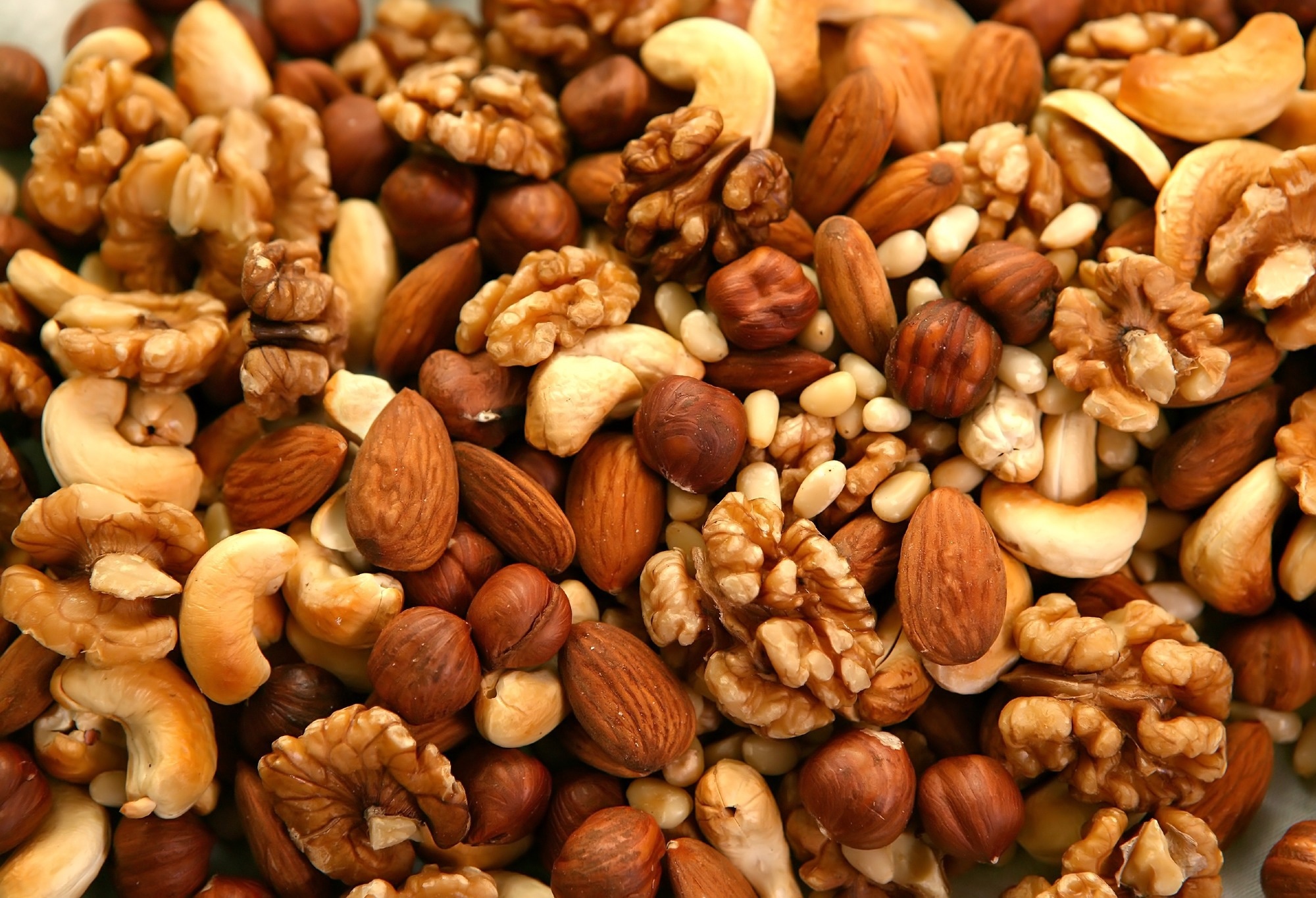
Study: Consuming Tree Nuts Daily as Between-Meal Snacks Reduces Food Cravings and Improves Diet Quality in American Young Adults at High Metabolic Syndrome Risk. Image Credit: volartman / Shutterstock
In a recent study published in the journal Nutrients, a group of researchers tested whether replacing typical high-carbohydrate snacks with tree nuts reduces food cravings and improves diet quality among young adults in the United States at elevated metabolic syndrome (MetS) risk.
Cardiometabolic Risk and Snacking Patterns
One in three American young adults shows a cardiometabolic warning sign, and snacks now add about 200 to 300 extra kilocalories daily. Cookies, chips, and sugary drinks are cheap and everywhere, but small swaps can change habits. Nutrient-dense snacks like nuts, fruit, and yogurt are rich in fiber, unsaturated fats, and minerals. Diet quality, as measured by the Healthy Eating Index (HEI), is associated with lower risks of diabetes, cardiovascular disease, and mortality. The National Health and Nutrition Examination Surveys (NHANES) link nut snacking to higher HEI scores. Further research should test whether structured nut snacking reduces cravings and improves HEI scores in at-risk youth.
Participant Eligibility and Run-In Period
Young adults were screened for at least one MetS risk factor and enrolled if weight-stable, with body mass index (BMI) 24.5 to 34.9 kg/m² and age 22 to 36 years. After a two-week run-in on a standardized eucaloric menu, participants were randomized in a parallel, single-blind design to twice-daily tree-nut or high-carbohydrate snacks for sixteen weeks.
Diet Design and Snack Intervention
Menus were created in the Nutrition Data System for Research (NDSR) to provide three meals and two snacks (25 to 35% fat, 45 to 55% carbohydrate, 15 to 20% protein); snack energy was 15 to 20% of daily energy needs, estimated from resting energy expenditure and activity.
Tree-nut snacks were a 33.5-gram mix of unsalted almonds, walnuts, pecans, macadamia nuts, hazelnuts, pistachios, and cashews; comparators were unsalted pretzels, animal crackers, graham crackers, and granola-type bars matched for energy, protein, fiber, and sodium.
Dietary Intake, Cravings, and Hormonal Measures
Food cravings were measured with the Food Craving Inventory (FCI); intake with the United States Department of Agriculture (USDA) 24-hour multi-pass recall; food frequency with the Rapid Eating Assessment for Participants (REAP); and diet quality with the HEI-2015. Fasting blood assessed glucose by enzymatic assay and insulin, ghrelin, glucagon, and adiponectin by radioimmunoassay, with total glucagon-like peptide-1 (GLP-1) also measured. Fullness was rated on visual analog scales (VAS). Outcomes were assessed at baseline, after the run-in period, and at the end of the sixteen-week intervention. Within-group change used Wilcoxon tests; between-group change used general linear models.
Participant Characteristics and Baseline Comparability
Eighty-four participants completed the intervention (40 tree-nut; 44 high-carbohydrate), with a mean age of 28.5 years and a mean BMI of 28.4 kg/m². Groups were comparable at baseline with respect to age, sex, BMI, activity, MetS risk score, energy intake, and macronutrient distribution.
Craving Reductions with Tree-Nut Snacks
After sixteen weeks, the tree-nut group reported broad, specific reductions in cravings. Item-level scores declined for cookies (−0.63 ± 1.03), brownies (−0.45 ± 0.71), donuts (−0.40 ± 0.90), candy (−0.33 ± 0.92), ice cream (−0.55 ± 1.08), chips (−0.33 ± 1.03), and pizza (−0.33 ± 0.57), with significant decreases in the FCI high-sweet and fast-food subscales. In contrast, the high-carbohydrate group showed no significant reductions in any craving subscale.
Changes in Food Preferences and Intake
Preference for sweet taste also fell among tree-nut participants (−12.5% reporting “sweet” preference). Behavior followed desire: the tree-nut group reduced the weekly frequency of frozen desserts (−0.18 ± 0.64) and salty snacks (−0.41 ± 0.88) and increased the frequency of higher-protein servings, including seafood and plant proteins (a modeled increase equivalent to roughly +4.37 daily servings in cup equivalents, rather than an absolute intake level). Only one notable dietary change occurred in the high-carbohydrate group, a decrease in fruit servings.
Healthy Eating Index Improvements
Diet quality improved meaningfully with tree nuts. HEI total score rose from 52.0 ± 17.1 to 62.0 ± 12.2 (mean change +10.01; about +19%). Gains were driven by higher fatty-acid scores (+4.33 ± 4.09), higher protein scores (+0.70 ± 1.71), better sodium scores (+2.20), and improved refined-grain scores; the dairy component fell modestly. No HEI category improved in the high-carbohydrate group, and total HEI was unchanged.
Dietary Predictors of HEI Change
Regression modeling indicated that about half of the variance in HEI change was explained by increased tree-nut intake, higher intake of mono- and polyunsaturated fats, more high-protein servings, and lower salty-snack frequency and sodium intake, after adjusting for sex, age, and baseline BMI.
Appetite Hormones and Physiological Responses
Physiology is aligned with eating patterns. In the tree-nut group, total GLP-1 increased (144.2 ± 57.5 to 160.6 ± 55.7 pg/mL) as did total ghrelin; rises in total GLP-1 were associated inversely with cravings for cake (r = −0.35), brownies (r = −0.44), candy (r = −0.36), and ice cream (r = −0.33). Despite a decrease in total food mass consumed, energy intake showed no statistically significant change. Body weight remained stable with tree nuts, and VAS ratings of hunger and fullness did not change. Adiponectin concentrations declined significantly in both groups over the intervention period, a finding of uncertain short-term clinical significance.
Energy Intake and Weight Gain with Carbohydrate Snacks
By contrast, the high-carbohydrate group increased energy intake by about 349 kilocalories per day and gained approximately 0.78 kilograms, alongside trends toward more hunger and less fullness. Fasting glucose and insulin were unchanged in both groups over 16 weeks, indicating that appetite and quality shifts occurred without short-term changes in glycemia.
Study Limitations and Interpretation
Because the trial was single-blind and relied heavily on self-reported cravings and dietary intake, some expectancy or reporting bias cannot be excluded. Altogether, substituting tree nuts for typical snacks curbed cravings for calorie-dense, nutrient-poor foods, nudged choices toward protein-rich, nutrient-dense options, and raised HEI scores in young adults at metabolic risk.
Clinical Implications and Conclusions
In young adults with early cardiometabolic risk, structured tree-nut snacking reduced cravings for sweets and fast foods, shifted choices away from frozen desserts and salty snacks, and raised HEI scores by roughly 19% without changing weight. Rises in GLP-1 were associated with lower cravings, consistent with a potential gut-brain signaling role rather than a demonstrated causal mechanism. Replacing high-carbohydrate staples with a modest portion of mixed nuts is a pragmatic step households can take to improve diet quality, while clinicians can pair this swap with counseling emphasizing seafood and plant proteins. Findings may not generalize to older adults, individuals with established metabolic disease, or populations outside the controlled feeding context. Larger, longer trials should test durability, nut-type specificity, and broader generalizability.
Journal reference:
- Lillegard, K., Widmer, A., Koethe, J. R., & Silver, H. J. (2025). Consuming Tree Nuts Daily as Between-Meal Snacks Reduces Food Cravings and Improves Diet Quality in American Young Adults at High Metabolic Syndrome Risk. Nutrients, 17(23). DOI: 10.3390/nu17233778, https://www.mdpi.com/2072-6643/17/23/3778
 Childhood ultra-processed food intake associates with altered insulin responses