Large international cohort data reveal that excess body fat may increase susceptibility to severe infections and substantially contribute to global infection mortality, underscoring prevention as a major public health priority.
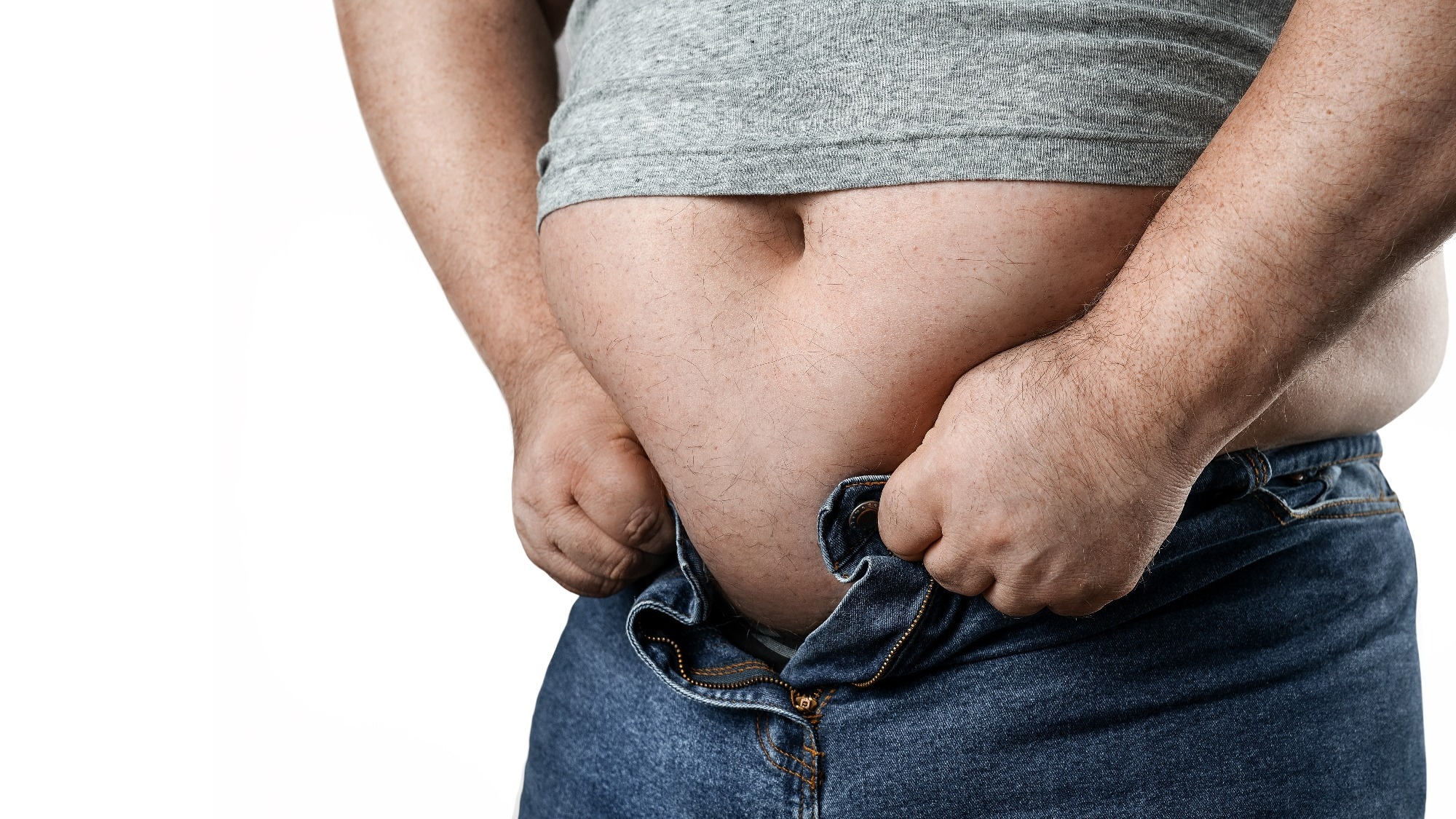
Study: Adult obesity and risk of severe infections: a multicohort study with global burden estimates. Image Credit: rangizzz / Shutterstock
In a recent study published in The Lancet, researchers examined whether adult obesity increases the risk of severe infections and estimated its contribution to infection-related deaths worldwide.
Biological Rationale and Global Context
Nearly 1 in 8 adults worldwide lives with obesity, yet its impact extends beyond diabetes and heart disease. During the coronavirus disease 2019 (COVID-19) pandemic, it was observed that obese patients often experienced higher rates of severity and deaths in hospitals. Is this vulnerability limited to respiratory viruses, or does excess bodyweight also increase the risk of developing many types of infectious diseases?
Obesity has been shown to have an effect on the overall immune system, create a state of chronic inflammatory changes, and disrupt metabolic homeostasis, which may place an individual at an increased risk of infection and, particularly, more severe infection outcomes. Although biologically plausible, there is limited evidence across a variety of infections. Further studies are needed to elucidate how obesity affects infection risk across individuals and environments.
Multicohort Study Design and Global Modelling Approach
This prospective multicohort study pooled individual-level data from the Finnish Public Sector study and the Health and Social Support study in Finland, with replication in the United Kingdom (UK) Biobank. Data were used to establish the baseline for body mass index (BMI) from 1998 to 2010, including both self-reported and measured data. The three BMI classifications are healthy weight (BMI 18.5-24.9 kg/m²), overweight (BMI 25.0-29.9 kg/m²), and obesity (BMI >30.0 kg/m²). Within the obese group, participants were further classified into three groups: class I (30.0-34.9 kg/m²), class II (35.0-39.9 kg/m²), and class III (≥40.0 kg/m²). The participants’ waist circumference and waist/height ratio were also evaluated.
Participants with prior severe infections were excluded. Follow-up used national hospitalization and mortality registries to identify first incident severe infections, defined as hospital-treated or fatal infections rather than milder community-managed infections. A total of 925 infectious disease diagnoses were classified by pathogen type and chronicity.
Cox proportional hazards regression models were estimated, adjusting for age, sex, socioeconomic status, smoking, alcohol consumption, physical activity, glucocorticoid use, hypertension, metabolic syndrome, diabetes, cardiometabolic disease, respiratory disease, cancer, and depression. Hazard ratios were combined with obesity prevalence and mortality data from the Global Burden of Disease, Injuries, and Risk Factors (GBD) Study to calculate population attributable fractions for infection-related deaths globally.
Dose-Response Relationship Across Infection Types
The Finnish cohorts included 67,766 adults (mean age 42 years), and the UK Biobank included 479,498 adults (mean age 57 years). Over follow-up periods exceeding a decade, 8,230 severe infections occurred in Finland and 81,945 in the UK.
A clear dose-response relationship emerged; as compared with individuals with a healthy weight, those with class III obesity had nearly three times the risk of infection-related hospitalization or death. The hazard ratio for severe infections in class III obesity was 2.69 in Finland and 3.07 in the UK Biobank. All the obesity classes were linked to about a 30%–40% higher severe infection risk overall compared with healthy weight, with substantially higher risks in the most severe obesity classes.
The association remained strong even after controlling for lifestyle, socioeconomic status, and health differences. A similar increase in risk was observed when obesity was assessed using waist circumference and waist-to-height ratio. These findings indicate consistent associations across adiposity measures rather than equivalent risks across measurement methods.
Obesity increased the risk across almost all infection categories. Viral infections showed particularly strong associations, especially acute viral infections. Bacterial infections, including invasive and localized infections, were also more common in individuals with obesity. Skin and soft tissue infections showed the strongest association, with nearly a threefold increase in risk. COVID-19 demonstrated a hazard ratio of 2.3 in the UK Biobank. In contrast, no increased risk was observed for human immunodeficiency virus or tuberculosis, likely reflecting reverse causation and weight loss associated with those diseases.
Weight change analyses further supported these findings. Individuals who gained weight from overweight to obesity experienced increased infection risk, whereas those who lost weight from obesity to overweight or healthy weight showed modest risk reductions.
When hazard ratios were applied to global data from the GBD Study, approximately 8.6% of infection-related deaths in 2018, 15.0% in 2021, and 10.8% in 2023 were attributable to adult obesity. In absolute terms, about 0.6 million infection-related deaths worldwide in 2023 were linked to obesity. The attributable fractions were the highest in North Africa and the Middle East and lowest in South Asia.
Public Health Implications and Study Limitations
Adult obesity is a significant and consistent risk factor for severe infections across diverse pathogens and populations. The risk increases progressively with higher obesity classes and persists after accounting for lifestyle and medical conditions.
Approximately 1 in 10 deaths caused by infection worldwide is linked to adult obesity rather than overweight alone, and this shows that obesity affects both communicable and non-communicable diseases. Therefore, the importance of preventing obesity, implementing evidence-based weight-management programs, and developing vaccination and infection-control policies that account for obesity is critical.
Addressing obesity would help reduce hospitalizations, deaths, and healthcare burden in both routine infectious seasons and during future pandemics. However, because the study is observational and based on specific cohort populations, the findings do not prove causality, and global estimates rely on modelling assumptions that may vary across regions. In addition, the cohorts are not fully population-representative,e and residual confounding cannot be completely excluded, so absolute risk estimates may differ in other populations.
Journal reference:
- Nyberg, S. T., Frank, P., Ahmadi-Abhari, S., Pentti, J., Vahtera, J., Ervasti, J., Suominen, S. B., Strandberg, T. E., Sipilä, P. N., Meri, S., Sattar, N., & Kivimäki, M. (2026). Adult obesity and risk of severe infections: a multicohort study with global burden estimates. The Lancet. DOI: 10.1016/S0140-6736(25)02474-2, https://www.thelancet.com/journals/lancet/article/PIIS0140-6736%2825%2902474-2/fulltext
 Poor sleep health in late pregnancy linked to higher childhood obesity risk