Can everyday berries help protect the aging brain? A new systematic review explores how berry-derived polyphenols may influence metabolism, inflammation, and memory, while highlighting the need for larger, well-controlled trials to confirm their clinical impact.
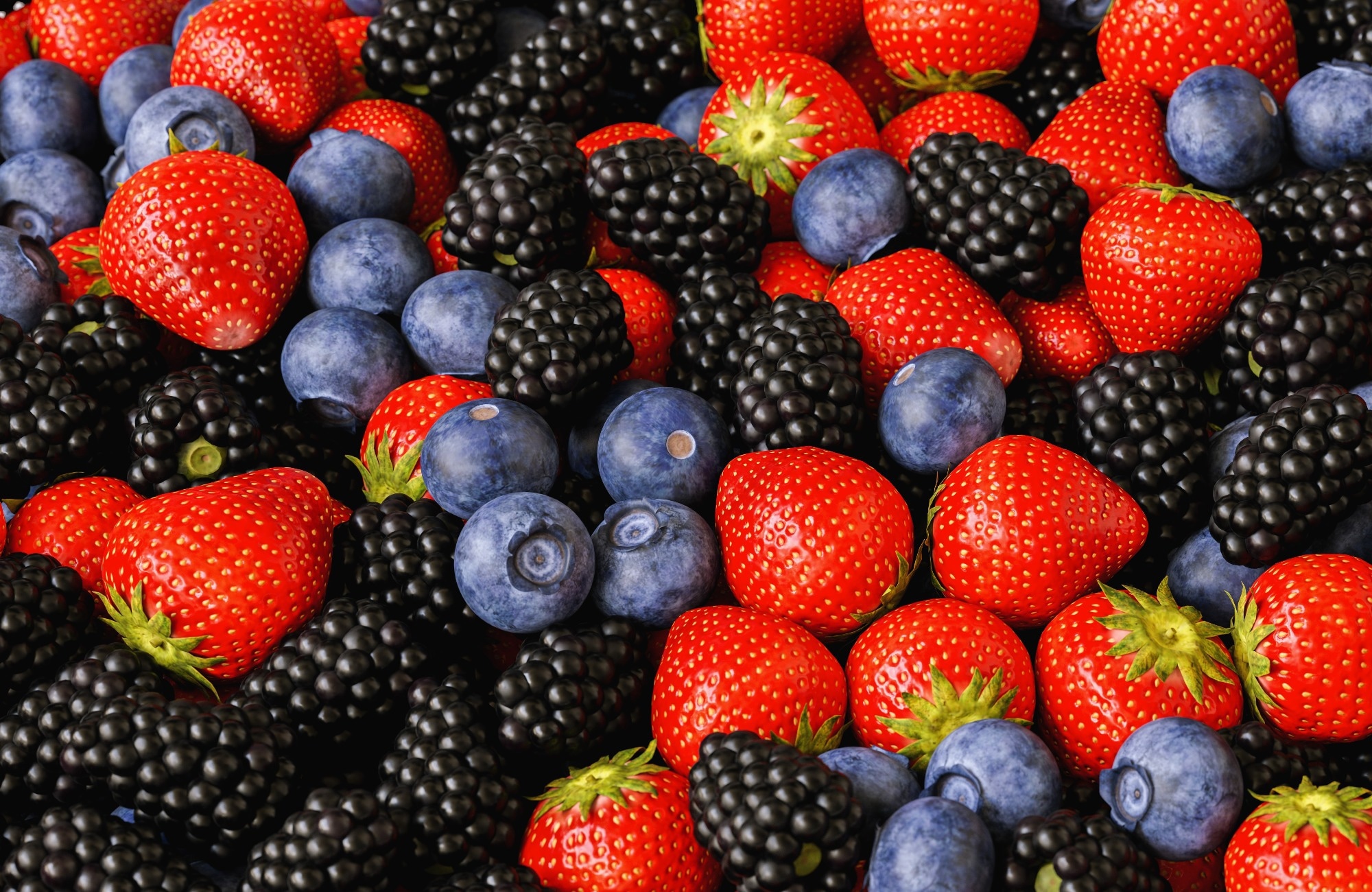
Review: Berry Consumption and Its Role in the Modulation of Obesity and Mild Cognitive Impairment. Image Credit: r.classen / Shutterstock
In a recent systematic review published in the journal Nutrients, researchers examined whether polyphenol-rich berries could counteract obesity-related metabolic dysfunction while supporting cognitive health. By analyzing randomized controlled trials and prospective cohort studies, they found that berry bioactive compounds may improve insulin sensitivity, regulate leptin levels, and influence gut-brain signaling pathways linked to inflammation. These metabolic effects were accompanied by modest improvements in memory performance and mechanistic evidence suggesting potential modulation of neurodegenerative markers such as amyloid-beta (Aβ) and tau proteins, although human biomarker data remain limited and inconsistent.
Obesity, Mild Cognitive Impairment, and Metabolic Risk
Mild cognitive impairment (MCI) represents an early stage of cognitive decline that may progress to dementia if not addressed. Epidemiological evidence increasingly links obesity and cardiometabolic dysfunction to accelerated cognitive impairment and heightened neurodegenerative risk. These findings position metabolic health as a modifiable risk factor for conditions such as Alzheimer’s disease.
Excess body weight may impair cognition through multiple biological pathways, including gut microbiome dysbiosis, compromised blood-brain barrier (BBB) integrity, altered adipokine signaling, and chronic low-grade inflammation. These interconnected processes underscore the importance of interventions that target both metabolic and neurological pathways.
Polyphenol-Rich Berries as Metabolic and Neuroprotective Agents
Polyphenol-rich berries, particularly those high in flavonoids and anthocyanins, demonstrate antioxidant, anti-inflammatory, and metabolic regulatory properties. These compounds may counteract obesity-driven inflammatory signaling and oxidative stress while influencing insulin sensitivity and lipid metabolism.
Human studies vary in design, anthocyanin dosage, intervention duration, and population characteristics. This heterogeneity complicates interpretation and highlights the need for more standardized clinical and mechanistic investigations.
Study Design and Selection Criteria
The review assessed whether berry-derived polyphenols could enhance cognitive outcomes by modulating obesity-related biological pathways. Researchers examined neuroprotective effects using biomarkers such as tau protein, neurofilament light chain (NfL), and amyloid-beta (Aβ), although the clinical significance of these markers remains uncertain.
Investigators searched PubMed, Web of Science, and Scopus databases between April 1 and June 30, 2025, without language restrictions. Eligible studies included double-blind, randomized controlled trials and prospective cohort studies involving human participants that evaluated associations between bioactive berry compounds, obesity, and cognition. Reviews and duplicate publications were excluded.
A single reviewer conducted data screening and extraction, introducing potential selection bias. The Cochrane Risk of Bias 2 (RoB 2) tool evaluated randomized trials, while the Newcastle-Ottawa Scale (NOS) assessed the quality of cohort studies.
Intervention Characteristics and Measured Outcomes
Twelve studies met the inclusion criteria from 224 identified records, of which 145 underwent full-text screening. Study populations included older adults with MCI and some middle-aged cohorts. Interventions involved blueberries, strawberries, raspberries, or grapes consumed as whole foods, beverages, or extracts, with durations up to three years.
Metabolic outcomes included body mass index (BMI), waist circumference, fasting insulin, serum cholesterol, triglycerides, blood pressure, C-reactive protein (CRP), and total antioxidant capacity. Cognitive outcomes were assessed using validated tools such as the Everyday Memory Questionnaire, Telephone Interview for Cognitive Status, Auditory Verbal Learning Test (AVLT), California Verbal Learning Test, Task Switching Task (TST), Cambridge Neuropsychological Test Automated Battery (CANTAB), and Brief Test of Attention.
Cognitive Benefits and Neurodegenerative Biomarker Evidence
Across studies, berry-derived polyphenols were associated with modest improvements in memory performance. Evidence suggests that regular berry consumption may correlate with a reduced incidence of neurodegenerative conditions in older adults, although causality remains unproven.
Cognitive benefits appeared particularly relevant during pre-dementia stages characterized by Aβ accumulation and tau hyperphosphorylation. Human biomarker findings for amyloid and tau were limited and mixed, with most evidence derived from mechanistic or preclinical research rather than consistent clinical biomarker shifts.
Gut-Brain Axis and Microbiome Modulation
Modulation of the gut-brain axis emerged as a central mechanism linking metabolic improvements with cognitive outcomes. Anthocyanins influenced gut microbiome composition, increasing beneficial bacteria such as Akkermansia muciniphila, which has previously been associated with reduced cerebral amyloid burden.
Microbial metabolites, including short-chain fatty acids (SCFAs), may mediate systemic anti-inflammatory effects and neural signaling pathways. Changes in neurotransmitter production, including dopamine, serotonin, and gamma-aminobutyric acid (GABA), may contribute to improved cognitive processing and mood regulation.
Insulin Sensitivity, Leptin Regulation, and Metabolic Effects
Several studies reported improvements in insulin sensitivity, glucose regulation, and leptin levels following berry supplementation. These metabolic changes are relevant because insulin resistance and leptin dysregulation are strongly linked to obesity-related cognitive decline.
For example, supplementation with approximately 25 grams of freeze-dried wild blueberry powder improved AVLT recognition memory and favorably influenced postprandial glucose and insulin responses. BMI was often measured but served more as an obesity indicator than as a consistently reduced outcome, underscoring the complexity of disentangling metabolic and cognitive effects.
Methodological quality across included studies was rated as moderate. Most trials raised concerns about risk of bias, with only one classified as low risk, indicating the need for stronger evidence before definitive conclusions can be drawn.
Clinical Implications and Research Gaps
The review suggests berry-derived polyphenols may support memory function while improving metabolic parameters associated with obesity. By modulating inflammatory pathways, insulin sensitivity, gut microbiota composition, and adipokine signaling, berries may help mitigate mechanisms linking metabolic dysfunction with neurodegeneration.
Current human evidence remains limited and heterogeneous. Optimal dosing strategies, long-term effects, and clinically meaningful impacts on amyloid-beta and tau biomarkers are not yet established. Larger, well-controlled trials with standardized anthocyanin quantification and long follow-up periods are required to determine the clinical relevance of anthocyanins in obesity-associated cognitive decline.
Collectively, the findings indicate that regular consumption of polyphenol-rich berries may represent a simple, accessible dietary strategy to support metabolic balance and brain health in aging populations, while acknowledging that definitive therapeutic claims require further validation.
Journal reference:
- Santos GAA d, Moraes CPM, Maróstica Júnior MR. (2026). Berry Consumption and Its Role in the Modulation of Obesity and Mild Cognitive Impairment. Nutrients, 18(4), 674. DOI: 10.3390/nu18040674, https://www.mdpi.com/2072-6643/18/4/674
 Obesity impairs key immune cells but bariatric surgery reverses damage