A qualitative study of Canada’s Sharing Dance Older Adults program reveals how inclusive, imaginative dance sessions can foster joy, connection, and well-being, offering new insights into accessible movement for aging communities.
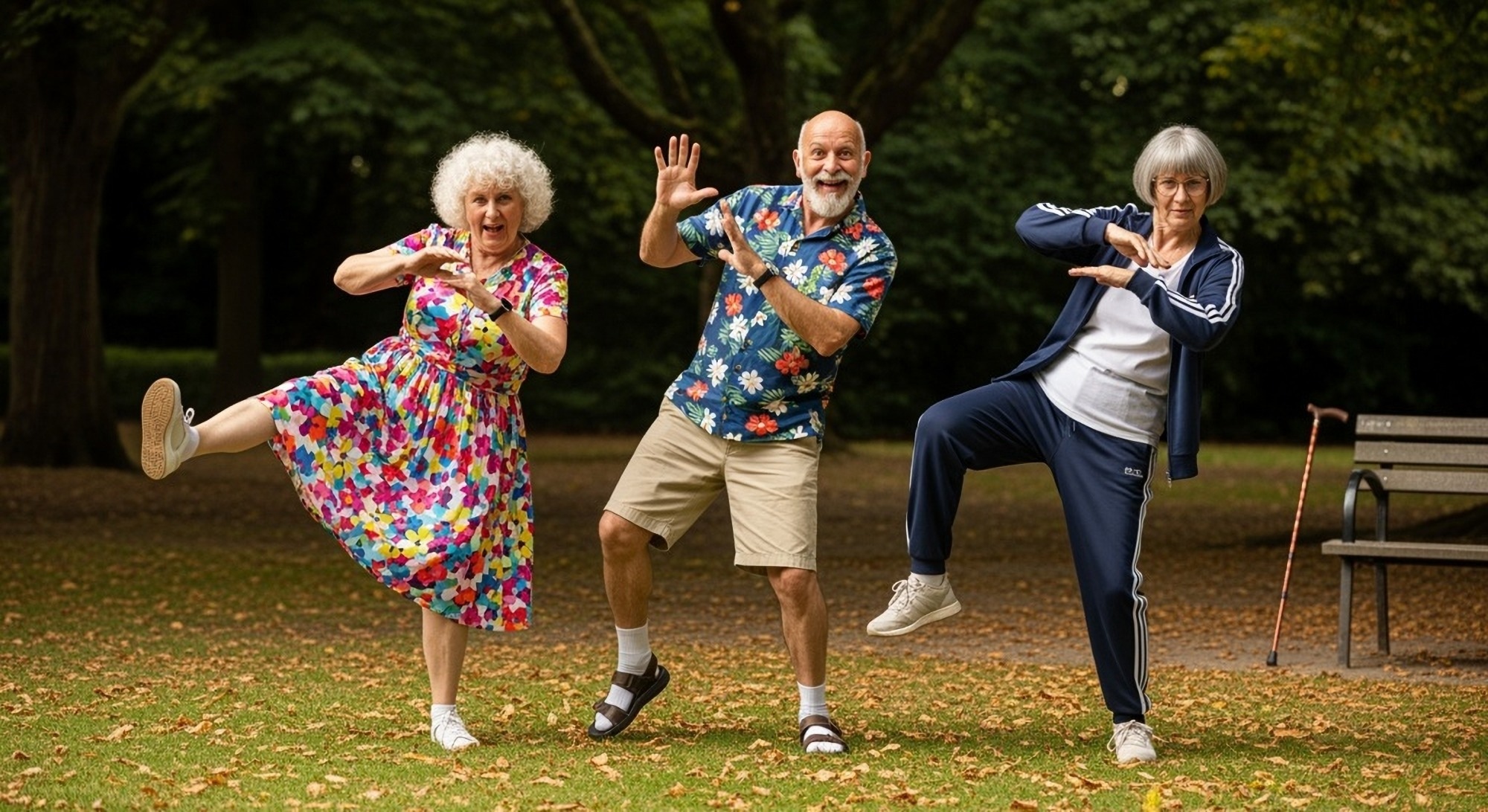
Study: Sharing Dance with Older Adults in Canada: An Exploratory Case Study. Image Credit: Shuttertock AI
A recent study published in the Journal of Ageing and Longevity highlights the potential impact of accessible, joyful dance programs on physical, emotional, and social well-being among older adults in community settings. Researchers explored participants’ experiences in the Sharing Dance Older Adults (SDOA) session at the National Ballet School (NBS) of Canada, uncovering themes around health benefits, session format, and inclusivity. Findings revealed that joy, emotional connection, and social engagement were central to participation, extending benefits beyond physical health. The study emphasizes that inclusive, community-based dance, supported by flexible design, music, and awareness of logistical barriers, can foster meaningful, accessible experiences for older individuals.
Physical Activity, Aging, and the Potential Role of Dance
As adults age, many become less physically active due to changes in mobility or limited access to appropriate programs. Studies suggest that dance can enhance strength, balance, cardiovascular health, and cognitive function, while also promoting social and emotional engagement. However, most research focuses on structured interventions or physical outcomes, with limited attention to joy, inclusivity, and accessibility in community-based programs. Few studies examine the environmental, social, and programmatic factors that foster meaningful participation, leaving gaps in understanding ways in which dance can holistically support older adults’ physical, emotional, and cognitive well-being.
Study Design and Arts-Based Research Approach
In the present qualitative study, researchers used an arts-based approach to explore older adults’ experiences of dance as an inviting and engaging mode of movement. The study included participants of an SDOA class at Canada’s NBS within the Toronto metropolitan region.
Nine adults aged 55 and older attended a professionally recorded 30-minute dance session on January 22, 2025, capturing movements from static positions. Six participants then participated in semi-structured focus group discussions to examine selected footage, identify moments of joy, and reflect on factors affecting accessibility.
Video elicitation, informed by photovoice principles, allowed the participants to share their experiences in context. They explored barriers and enablers to participation and shared insights for making programs more inclusive. A demographic questionnaire captured age, sex, ethnicity, and prior dance experience.
Three researchers conducted iterative thematic analysis to identify key themes from focus group discussions, video observations, and field notes. The study drew on the Activity Theory of Aging, embodiment, and embodied cognition, conceptualizing joy as a meaningful outcome emerging through movement, sensory experiences, and social interaction. This approach highlighted how accessibility features, program design, and participant agency interact to foster perceived physical, cognitive, and emotional well-being in older adulthood.
Key Findings on Health Benefits and Participant Experiences
The study identified core themes concerning health outcomes, session format, and inclusivity. Participants emphasized that an inclusive setting, where everyone was included and treated respectfully, fostered enjoyment and active participation. Beyond participants’ reports of improvements in posture, balance, and body awareness, they described mental, emotional, and spiritual benefits.
Dance fostered joy, lifted spirits, helped participants cope with anxiety, and strengthened social connections through shared movement and storytelling. Imaginative exercises and storytelling encouraged engagement, while music evoked personal memories and deepened emotional experiences. Participants reported that movement combined with these elements improved mood, enhanced focus and presence, and offered a more enjoyable alternative to traditional forms of exercise, such as extensive gym workouts.
Accessibility Features and Social Engagement
Flexible movement options, supportive teachers, and a judgment-free environment were critical factors promoting accessibility. Seated and standing alternatives allowed individuals of varying abilities to participate. Social interactions extended beyond class through carpooling, shared meals, and informal conversation. Creative prompts, such as imagining walking on a beach or acting out imagery, like the sun, sparked imagination and further enhanced engagement and enjoyment.
Participants faced a few challenges. Waitlists limited new enrollment, as returning dancers were given priority. Some had difficulty seeing or hearing instructors, though peer support and adaptable teaching strategies helped maintain engagement. A few preferred classes closer to home, near the Yonge–Finch area, but enjoyed the experience once at NBS. Most discovered the program through family or friends, highlighting the need for broader outreach and clearer information on virtual options. Nevertheless, the inclusive design, supportive instructors, and variety of sessions fostered sustained participation and enjoyment.
Conclusions and Implications for Community Health Programs
The findings highlight that accessible, community-based dance programs may support holistic well-being among older adults, with joy emerging as a central component of participation. Inclusive design features, such as flexible movement options, supportive instruction, and a welcoming environment, foster perceived physical, emotional, social, cognitive, and spiritual benefits. Barriers including location, transportation, program awareness, and waitlists underscore the need for improved accessibility.
Video elicitation proved effective for capturing embodied experiences, offering a novel approach for studying movement-based programs. Implications include potentially informing community health initiatives and social prescribing approaches, expanding outreach, and offering hybrid or virtual options to broaden access. Future research should explore long-term benefits, adapt video elicitation across diverse programs, and examine strategies to reduce structural barriers. Prioritizing joyful, inclusive dance experiences can inform public health policy, enhance participation, and support meaningful engagement for aging populations.
Journal reference:
- Giancola, S., Estreicher, R., Joseph, A., Bar, R. J., & Harris, M. T. (2026). Sharing Dance with Older Adults in Canada: An Exploratory Case Study. Journal of Ageing and Longevity, 6(1). DOI: 10.3390/jal6010027, https://www.mdpi.com/2673-9259/6/1/27
 Cognitive behavioral therapy for insomnia may slow biological aging in older adults