A randomized crossover study reveals that swapping red meat for plant-based meat alternatives can rapidly reduce a key gut-derived cardiovascular risk metabolite, while also highlighting how processed plant-based foods may influence cholesterol, sodium balance, and metabolic pathways.
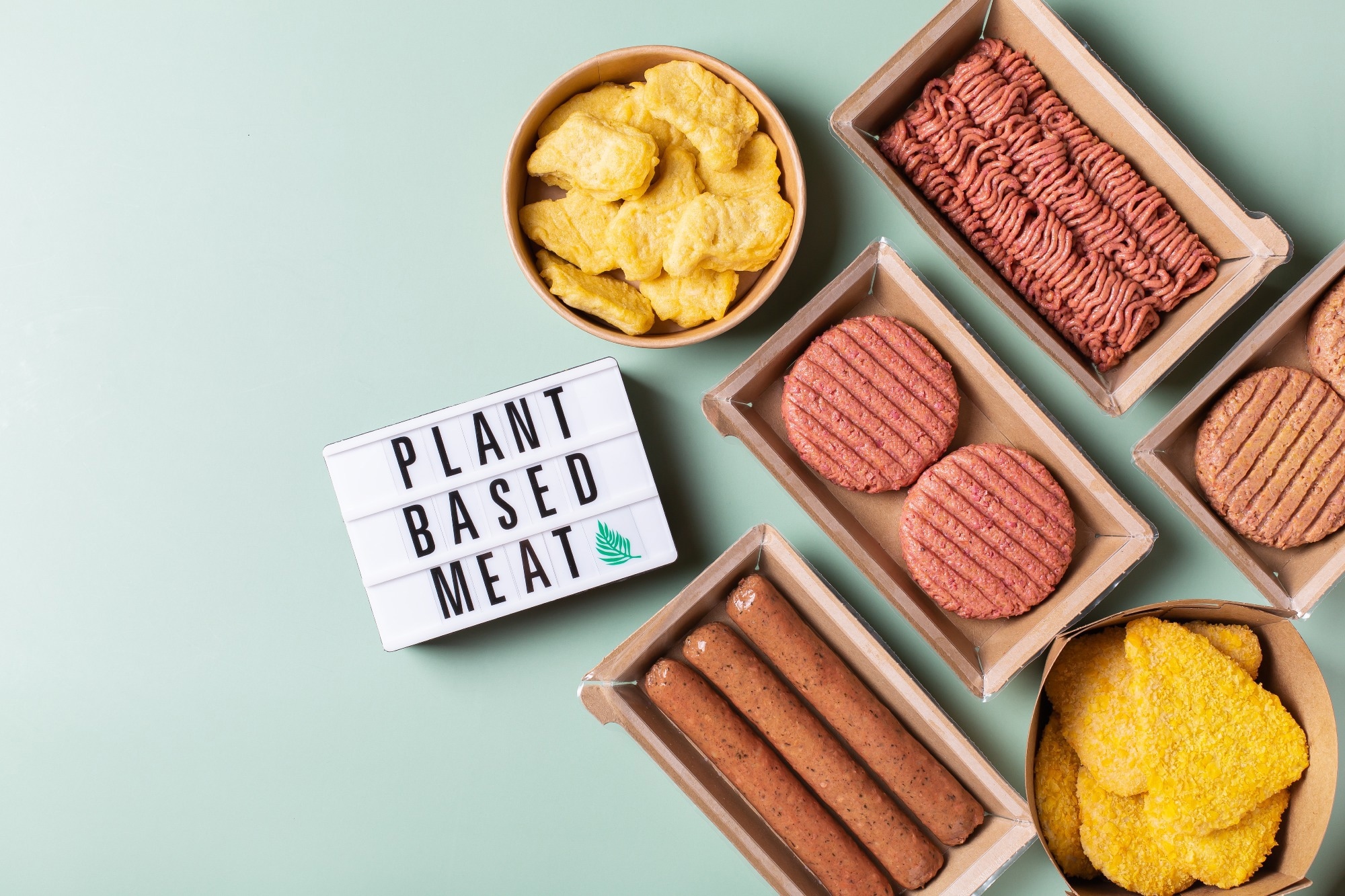
Study: Processed plant-based meat-supplemented diet versus red meat-based supplemented diet randomized cross-over trial Finding Optimal Oral Diet-1 (FOOD-1) trial. Image Credit: Antonina Vlasova / Shutterstock
In a recent study published in the journal Scientific Reports, researchers examined whether replacing red meat with processed plant-based meat alternatives alters trimethylamine N-oxide (TMAO) levels and other cardiovascular risk markers in adults.
Researchers test whether plant-based meat substitutes change heart-risk biomarkers
Cardiovascular disease remains one of the leading causes of death worldwide, and diet plays a central role in shaping heart health. Eating red meat provides nutrients such as choline and L-carnitine, which the gut microbiota can convert into TMAO, a compound linked to atherosclerosis and future cardiovascular events.
A diet rich in plant foods has been promoted for both health and ecological benefits, and processed plant-based foods have become popular alternatives to animal products as technological advances allow them to resemble the taste and texture of animal protein.
However, these foods can contain excess sodium or saturated fats, making it important to understand their metabolic effects when people switch from animal to plant-based products. More research is needed to determine whether these substitutions truly improve cardiovascular risk markers.
Randomized crossover trial compares plant-based patties with red meat
The Finding Optimal Oral Diet-1 (FOOD-1) trial was a randomized, crossover dietary intervention in adults aged 18 to 80 years with a body mass index of 20 to 40 kilograms per square meter. Participants were recruited through public advertisements and cardio-renal-metabolic clinics at the McGill University Health Centre. Individuals with kidney disease, significant renal dysfunction, or recent antibiotic use were excluded.
Before the intervention, participants completed a 7-day vegan run-in diet to standardize metabolic conditions and reduce the influence of prior dietary habits.
After a 12-hour fast, participants followed one of two dietary sequences comprising two six-day intervention phases, comparing a processed plant-based meat-supplemented diet with a red-meat-supplemented diet. A seven-day washout period separated the phases.
During each intervention phase, participants consumed two patties per day, each weighing approximately 113 grams, and avoided other sources of meat, seafood, eggs, or fish.
Researchers measured body weight, blood pressure, heart rate, dietary questionnaires, and fasting blood samples at the beginning and end of each phase.
Blood analyses included total TMAO, total cholesterol, N-terminal pro B-type natriuretic peptide (NT-proBNP), and high-sensitivity C-reactive protein (CRP). Untargeted metabolomics using liquid chromatography–mass spectrometry was also performed to assess broader metabolic changes.
Plant-based patties lower TMAO and cholesterol but slightly increase weight
A total of 41 participants completed the trial, with 20 individuals beginning with the plant-based diet and 21 starting with the red-meat diet. The median age was 51 years, and 46% were female.
Many participants had pre-existing cardiovascular risk factors: approximately 28% had hypertension, 23% had diabetes, and 32% had atherosclerotic cardiovascular disease.
The plant-based meat diet significantly reduced TMAO levels compared with the red-meat diet, with a reduction of 0.61 log units, indicating a meaningful decrease in this gut-derived metabolite.
Substituting red meat with plant-based products was associated with changes in metabolic markers related to cardiovascular risk, although the study evaluated short-term biomarker changes rather than clinical cardiovascular outcomes.
Participants consuming plant-based patties also experienced reductions in lipid markers. Total cholesterol decreased by about 7 mg/dL, and low-density lipoprotein cholesterol (LDL) by about 6 mg/dL. Non-high-density lipoprotein cholesterol also declined.
Because the trial was powered primarily to detect differences in TMAO, the lipid findings should be interpreted cautiously.
The plant-based diet phase was associated with a slight weight gain averaging 0.6 kilograms during the intervention.
Researchers suggested that this change might be related to the higher sodium content of plant-based patties, which could promote fluid retention in individuals sensitive to salt.
Supporting this interpretation, the plant-based diet also produced slightly higher levels of NT-proBNP, a biomarker related to cardiac stress and fluid balance. The increase was small, and its clinical significance remains uncertain.
No statistically significant differences were observed between the diets in high-density lipoprotein cholesterol (HDL), triglycerides, blood pressure, heart rate, creatinine levels, or high-sensitivity CRP.
Metabolomics analysis reveals additional biochemical shifts
Metabolomic analysis identified additional biochemical differences between diets. Among more than 1,300 detected metabolic features, 11 metabolites differed significantly between the plant-based and red-meat diets.
Eight metabolites increased during the plant-based diet, including compounds such as 2-hydroxycaproic acid, N-methylphenylethanolamine, and glutamylglycine. Three metabolites, including 3-hydroxycapric acid and histidyltryptophan, were reduced.
These metabolomic differences may reflect shifts in fatty-acid metabolism and cellular energy pathways, though the findings remain exploratory and require confirmation in larger studies.
Participants generally adhered to dietary instructions, although a few reported mild abdominal discomfort and diarrhea during the plant-based diet phase.
Short-term biomarker changes highlight both benefits and trade-offs of processed plant alternatives
The FOOD-1 randomized crossover trial demonstrated that replacing red meat with processed plant-based meat alternatives significantly reduced circulating TMAO, a metabolite associated with cardiovascular disease risk.
Plant-based alternatives were also linked to modest improvements in lipid biomarkers. However, the higher sodium content of processed foods may contribute to short-term increases in weight or fluid-balance markers such as NT-proBNP.
Because each diet phase lasted only six days, longer-term studies are needed to determine whether these biomarker changes translate into meaningful reductions in cardiovascular events.
Journal reference:
- Ferreira, J. P., Marques, P., Zhang, G., Possik, E., Mavrakanas, T. A., Tsoukas, M. A., & Sharma, A. (2026). Processed plant-based meat-supplemented diet versus red meat-based supplemented diet randomized cross-over trial Finding Optimal Oral Diet-1 (FOOD-1) trial. Scientific Reports. DOI: 10.1038/s41598-026-41165-3, https://www.nature.com/articles/s41598-026-41165-3
 High doses of caffeine from energy drinks cause cardiovascular harm