Many UK adults say they want to cut back on ultra-processed foods, but this study shows confusion, cost, convenience, and mixed messages still stand in the way.
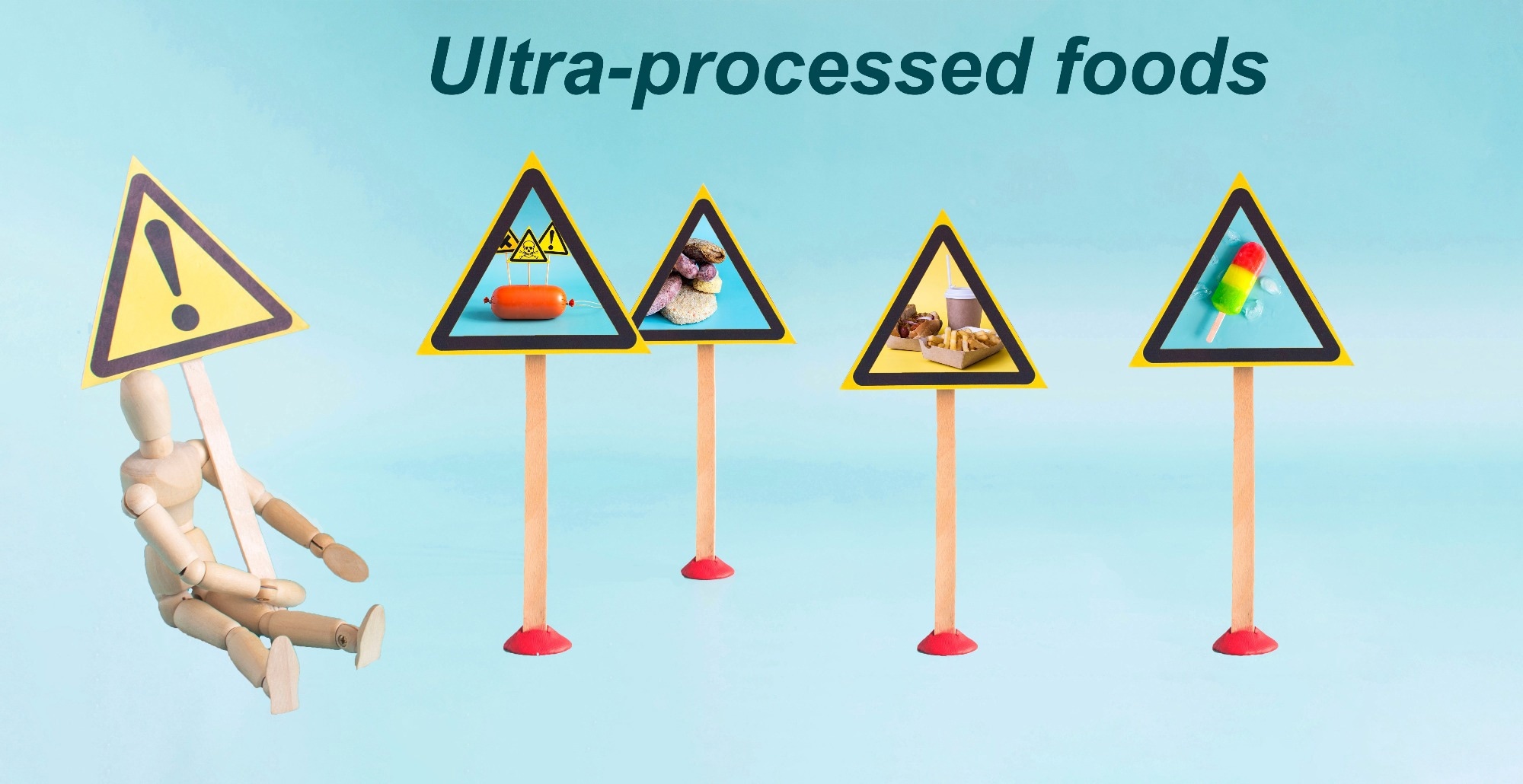
Study: Understandings of ultra-processed foods among adults with responsibility for household food activities in the United Kingdom: a qualitative study. Image Credit: nau2018 / Shutterstock
In a recent study published in the journal BMC Global and Public Health, researchers conducted a qualitative investigation to explore perceptions of ultra-processed foods (UPFs) in the United Kingdom (UK). The study utilized thematic analysis on data from 30 UK adults with primary household food responsibilities.
Results indicated that while the study participants generally viewed UPFs as artificial and potentially unhealthy, they could not easily understand the Nova classification system or identify classification boundaries. The study, therefore, suggested that policy and environmental changes are likely to help reduce population-level UPF intake nationwide, particularly alongside or beyond education-only approaches.
UPF Literacy and Nova Classification Background
Recent reports indicate that ultra-processed foods (UPFs) now account for more than 50% of citizens’ mean daily energy intake in the United Kingdom (UK). The Nova classification system defines UPFs as industrially modified food products primarily designed for hyper-palatability, convenience, and commercial profitability, and further cites a growing body of epidemiological evidence linking UPF consumption to the growing prevalence of non-communicable diseases (NCDs).
Despite extensive global public health campaigns intended to educate consumers about the demerits of UPF consumption, previous quantitative research identifies significant literacy gaps in its practical application: 73% of UK adults are familiar with the term "UPF," but only 13% can correctly categorize food items. Specifically, participants in prior surveys correctly identified only 54% of UPF food items, highlighting persistent “perception-knowledge” gaps.
Furthermore, public health reports from the European Union (EU) indicate that 41% of European consumers view UPFs as more convenient than fresh or minimally processed alternatives, exacerbating these perception-knowledge gaps and resulting in an environment favoring population-level suboptimal dietary outcomes.
Researchers consequently hypothesize that understanding how household "gatekeepers" navigate these choices is critical for developing equitable food policies. Unfortunately, previous studies have provided limited insight into this understanding.
UK UPF Interview Study Design
The present study aimed to address these knowledge gaps and inform future UK food policy by conducting 30 semi-structured, one-to-one qualitative interviews (duration = 60 minutes) between July and October 2024. Study participants were recruited via social media and screened to ensure they held primary responsibility for household food activities, particularly food purchasing decisions and meal preparation.
Summary statistics of the final participant sample cohort revealed that they were predominantly female (73%; age = 20-72 years) and of higher educational status (63%).
The study's methodological framework comprised a reflexive thematic analysis, in which researchers used inductive inference to interpret patterns across the sample dataset. To enhance the rigor and trustworthiness of the analysis, the study included three public contributors (“Public Involvement and Engagement [PIE] group”) in the inductive interpretation methodology.
Study interviews included a structured photo-sorting activity in which participants were required to categorize images of various foods across the Nova classification spectrum, thereby enabling reviewers to observe individual-level heuristics and to elucidate sample-level cohort misconceptions.
Themes in Public UPF Understanding and Decisions
Study analysis identified five interconnected themes characterizing the public's relationship with UPFs: 1. UPF understanding, 2. Influences on understanding, 3. Decision-making around UPFs, 4. Barriers and enablers to UPF consumption reduction, and 5. Potential solutions.
Participants were found to view food processing as a continuum rather than discrete categories. While UPFs like crisps and soda were easily identified as being highly processed, "borderline" foods like yogurt and plant-based meat alternatives were observed to confuse participants.
Furthermore, while 6 participants revealed that they were unaware of the term “ultra-processed foods” prior to the study interview, the remaining 24 were observed to rely on shortcuts (e.g., long ingredients lists or the presence of unrecognizable chemical additives like emulsifiers) to help differentiate between "processed" (Nova Group 3) and "ultra-processed" (Nova Group 4) foods.
Notably, while participants largely viewed industry-sponsored messaging with skepticism, they sometimes found personal testimonies from social media influencers relatable or helpful.
Similarly, negative perceptions of UPFs did not always translate into participants’ behavioral changes, likely because of cost, convenience, taste, and family practices.
Policy and Communication Implications for UPF Reduction
This study’s findings indicate that the relative complexity of the Nova framework may limit its utility as a standalone public-facing message, particularly if it is not translated into clear and practical guidance. The authors suggest that while the Nova classification system is a robust expert-informing metric for defining the functional boundaries of the food product spectrum, UPFs may function best as a policy construct used to guide systemic changes.
Furthermore, while education was a popular proposed solution among participants, the authors emphasize that "consumer awareness alone is unlikely to produce meaningful change" if minimally processed options remain less affordable or accessible.
Notably, the study was limited by the underrepresentation of individuals with lower levels of formal education and those from Black communities, underscoring the need for future research to quantify these perceptions across broader demographics to support the development of actionable communication tools and policies to improve diets and reduce UPF intake.
Journal reference:
- Essman, M., et al. (2026). Understandings of ultra-processed foods among adults with responsibility for household food activities in the United Kingdom: a qualitative study. BMC Global and Public Health, 4(1). DOI – 10.1186/s44263-026-00263-0. https://link.springer.com/article/10.1186/s44263-026-00263-0
 Study finds widespread nutrition concerns in packaged toddler foods