Once best known for treating blood cancers, CAR-T therapy is now being redesigned for solid tumors, autoimmune disease, and chronic viral infections, but the review shows that safety, persistence, and access remain major hurdles before wider clinical use.
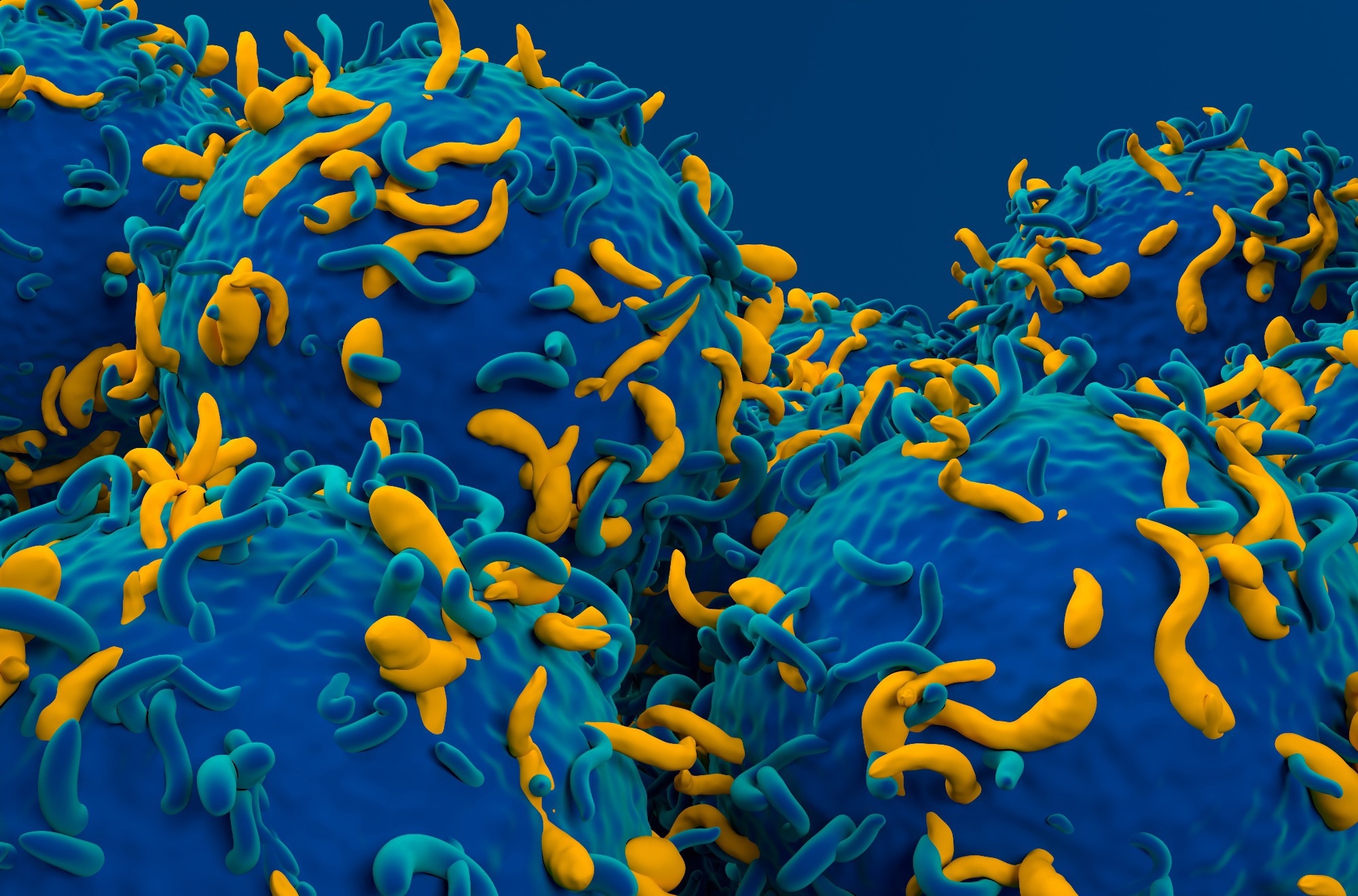
Review: Advancements and expanding applications of CAR-T cell therapy. Image Credit: Nemes Laszlo / Shutterstock
Growing research on chimeric antigen receptor T (CAR-T) cell therapy has significantly advanced cancer treatments, especially for hematologic cancers. Researchers are now exploring whether this technology can treat diseases driven by the immune system itself.
A recent study published in the journal Frontiers in Immunology reviews emerging strategies for adapting and applying CAR-T cells to solid tumors, autoimmune diseases, and chronic viral infections.
CAR-T Cell Therapy Beyond Blood Cancers
CAR-T cell therapy involves redirecting a patient’s immune system to recognize and destroy harmful cells and is a genetically engineered cellular immunotherapy. The technology has attained much success in blood cancers, where the target cells that circulate in the bloodstream share clear markers, making it easier for engineered CAR-T cells to detect and eliminate the malignant cells.
However, extending this approach to solid tumors and other disease areas has proven challenging. Solid tumors contain immunosuppressive tumor microenvironments that weaken immune responses, while autoimmune diseases involve tissue-specific effects and complex immune signaling pathways.
Chronic viral infections also present the additional complexities brought about by their ability to mutate and hide within the body.
There is also a lack of clarity about factors such as long-term safety, scalability, and how to maintain precise immune control without causing adverse effects.
CAR-T Engineering and Delivery Strategies
In the present study, a team of researchers from Shanghai University reviewed and analyzed recent developments in CAR-T cell therapy, covering multiple disease areas, including hematologic cancers, solid tumors, autoimmune diseases, and chronic viral infections.
They synthesized existing experimental designs and reviewed clinical trials and engineering strategies to determine how different approaches have been used to generate and improve CAR-T cells.
The review examined the biological structure and function of CAR-T cells and described how T cells were genetically modified to express synthetic receptors that recognize specific targets.
The researchers then evaluated different CAR designs, including variations in antigen-binding domains and intracellular signaling components that control activation and persistence.
Multiple CAR-T production platforms were also compared, including autologous approaches that used patient-derived cells and universal systems/allogeneic approaches that relied on donor cells modified to reduce graft-versus-host reactions and eventual immune rejection.
The authors also emphasized that universal CAR-T cells are a subset of allogeneic approaches, but not all allogeneic CAR-T products meet the stricter definition of universal CAR-T therapy.
Additionally, gene-editing technologies such as clustered regularly interspaced short palindromic repeats (CRISPR), transcription activator-like effector nucleases (TALENs), and base editing, used to remove or alter immune-related genes and improve compatibility, were also examined.
Emerging in vivo engineering strategies and delivery systems, such as lipid nanoparticles, viral vectors, exosomes, bispecific antibodies, and biomaterial scaffolds, were also reviewed.
The team examined each method for its ability to introduce CAR constructs directly into T cells in the body and potentially reduce the need for complex in vitro manufacturing. They also evaluated alternative immune cell platforms, particularly CAR-modified natural killer (NK) cells, and compared their biological properties and clinical potential with those of CAR-T cells, noting their potential for lower toxicity but also shorter persistence and limited expansion.
Lastly, the study also reviewed safety control systems designed to regulate CAR-T activity. These included the use of inducible suicide switches, inhibitory receptors, and logic-based activation systems that could simultaneously improve precision while reducing adverse or unintended effects.
CAR-T Applications in Autoimmune and Viral Disease
The review concluded that CAR-T cell therapy has achieved substantial and sustained success in treating blood cancers, but that its effectiveness varies widely across other disease areas. Hematologic malignancies presented accessible targets and consistent antigen expression, resulting in durable responses to the engineered T cells. However, extending CAR-T therapy to solid tumors remained limited by immune suppression, restricted access to cancer cells within tumors, and variability in target markers.
Nonetheless, in autoimmune diseases, the researchers reported promising outcomes. Early clinical reports and trials suggest that CAR-T cell therapy can remove harmful immune cells, leading to disease remission or marked clinical improvement in conditions such as systemic sclerosis, systemic lupus erythematosus, and severe myositis.
Although these results suggested that broader immunosuppressive treatments could be replaced by targeted depletion of specific immune cells via CAR-T-cell therapy, the long-term consequences, including hypogammaglobulinemia, infection risk, durability of remission, and relapse, need to be studied further.
Although early clinical evidence showed that CAR-T cells could reduce viral levels and target infected cells in chronic viral infections, factors such as viral mutation, antigen variability, and the ability of viruses to persist in hidden reservoirs limited the complete elimination of infection and long-term effectiveness.
The review emphasized that antiviral CAR-T therapy remains clinically early and speculative, with no consistent evidence yet of durable viral reservoir elimination or functional cure in humans.
The analysis also showed that universal and allogeneic CAR-T systems improved accessibility and reduced production time, though they introduced risks of immune rejection and reduced persistence. Additionally, in vivo delivery methods were found to potentially simplify treatment, but targeting accuracy and safety need to be studied further.
The researchers noted that, despite the added complexity of design and production, implementing safety mechanisms improved control over CAR-T activity. However, these mechanisms may also increase construct complexity, regulatory burden, transduction challenges, and manufacturing variability, and their long-term effects need to be explored further.
Future Challenges in CAR-T Clinical Expansion
Overall, the review found that CAR-T therapy has progressed beyond its initial success in blood cancers and is entering a broader phase of development, with new engineering strategies improving access and broadening the applications of CAR-T-cell therapy. However, important biological and technical challenges, such as refining delivery systems, improving safety, and manufacturing consistency, remain.
Understanding long-term and potential adverse effects is essential to determine how widely this therapy can be applied across diseases, while broader issues such as cost, infrastructure, regulatory harmonization, and global access will also shape future clinical use.
Download your PDF copy by clicking here.
Journal reference:
- Zhang, X., Liu, Z. C., Luo, L. J., Wu, Y. W., Cui, X. G., & Chen, L. (2026). Advancements and expanding applications of CAR-T cell therapy. Frontiers in Immunology, 17, 1802718. DOI:10.3389/fimmu.2026.1802718, https://www.frontiersin.org/journals/immunology/articles/10.3389/fimmu.2026.1802718/full
 Breath test shows promise for identifying cancerous lung nodules