Sparkling water's fizz may reduce how much people drink after dehydration, but researchers found that adding electrolytes helped the body retain more fluid and largely offset the hydration disadvantage.
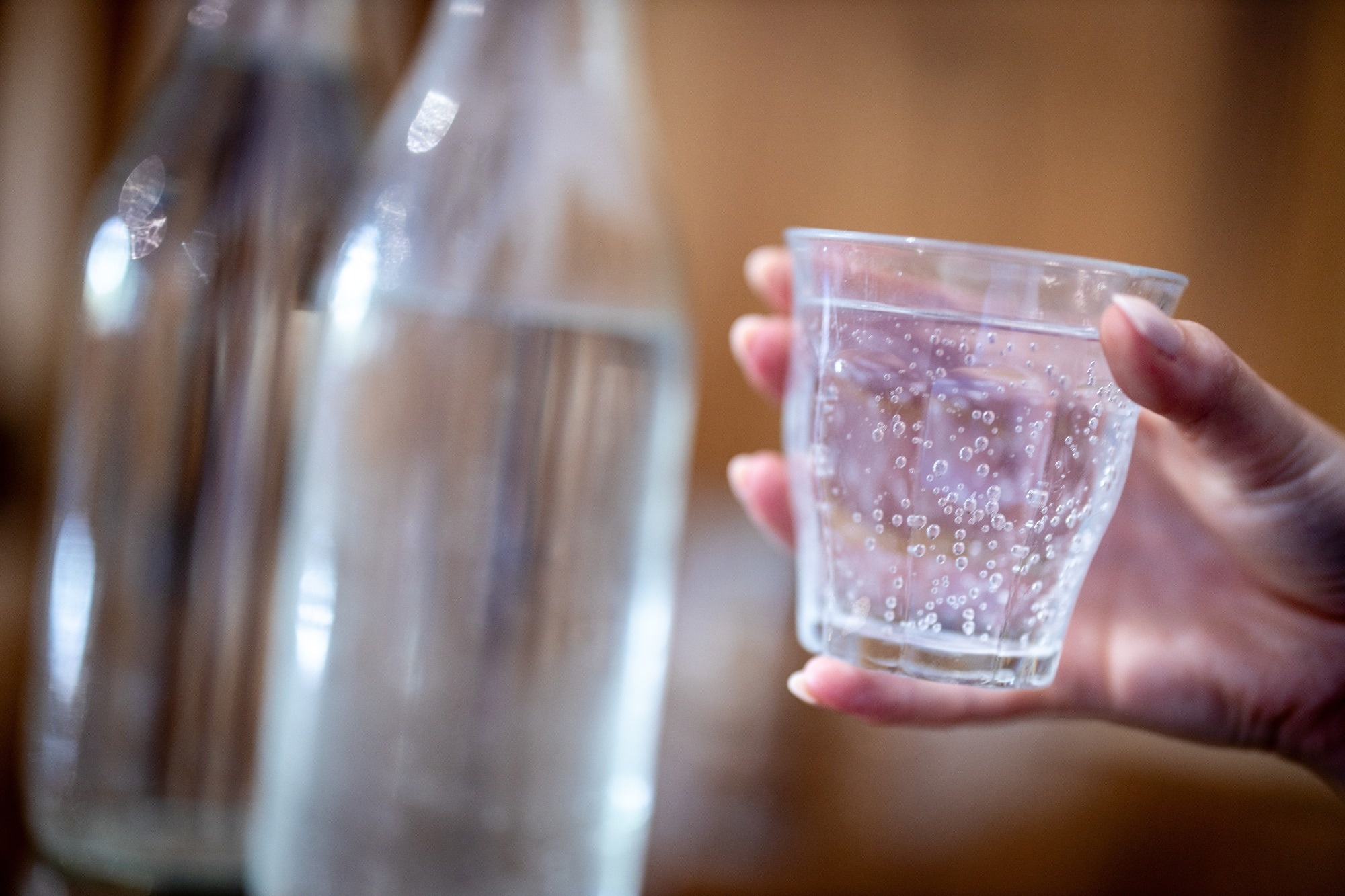 Study: Effects of Carbonated and Electrolyte-Added Water on Body Fluid Regulation and Ingestive Behavior During Ad Libitum Rehydration Following Mild Hypohydration. Image credit: Christian Moro/Shutterstock.com
Plain water or electrolyte-added carbonated water may restore hydration more effectively than plain carbonated water after mild hypohydration, according to a new study published in the journal Nutrients.
Sparkling water's hydration value remains unclear
Maintaining adequate fluid intake is necessary for proper physiological functioning and optimal health. Excessive fluid loss due to sweating or diuresis (frequent urination) can lead to hypohydration, a condition of net body fluid deficit that can potentially reduce cognitive and physical performance and increase cardiovascular and metabolic disease risk.
Unsweetened carbonated water, or sparkling water, has recently gained popularity as a calorie-free beverage for maintaining body hydration. Existing evidence indicates that carbonated water is better than plain water at increasing arterial pressure and brain blood flow, and at reducing fatigue in individuals exposed to heat stress. However, most previous studies investigating the body-rehydrating effect of carbonated water have used strictly prescribed, controlled fluid volumes, which do not reflect real-life voluntary drinking behavior.
The current study aimed to investigate the effect of consuming plain water and carbonated water, with or without electrolyte supplementation, on voluntary drinking behavior and body fluid balance in individuals with heat-induced mild hypohydration.
Supplementing drinking water with electrolytes, especially sodium (Na+), is essential for recovery from heat-induced hypohydration, as thermal dehydration causes both water and electrolyte deficits.
Four beverages were compared after heat-induced dehydration
The study included 15 adults who performed three 20-min bouts of stepping exercise at 25°C to induce mild hypohydration. After completion of the exercise, they consumed pure water, carbonated water, electrolyte-added water, or electrolyte-added carbonated water as much as they wanted.
Participants’ voluntary drinking behavior and body fluid balance were assessed during the 180-minute rehydration period. Fluid balance was determined by measuring fluid intake and urine output.
Electrolytes improved retention despite lower consumption
The analysis revealed that overall fluid intake during the 180-minute rehydration period was significantly higher in the pure water-drinking group than in the other three groups.
Urine output was also significantly higher in the pure water and carbonated water groups than in the other groups. The net fluid retention ratio, derived from fluid intake and urine output results, was significantly higher in the electrolyte-added water group and electrolyte-added carbonated water group compared to the carbonated water group.
This combination of lower fluid intake and poorer fluid retention resulted in significantly lower fluid recovery in the carbonated water group than in the pure water, electrolyte-added water, and electrolyte-added carbonated water groups.
Fizz reduced intake, not hydration efficiency
The study found that plain carbonated water resulted in poorer fluid recovery than plain water, electrolyte-added water, or electrolyte-added carbonated water following heat-induced mild hypohydration. However, the rehydration efficiency of carbonated water became largely comparable to that of other beverages after electrolyte supplementation, thereby improving fluid retention.
Collectively, these findings suggest that a reduction in fluid intake volume due to carbonation is likely responsible for reduced rehydration efficiency, which could be mitigated by adding electrolytes to carbonated water, thereby attenuating diuresis and improving the fluid retention ratio.
Fluid intake is regulated by body fluid status, fluid palatability, and stimuli from the oral and gastrointestinal tract. In this study, participants from all four groups showed comparable levels of thirst sensation.
Regarding fluid palatability, participants from the carbonated water, electrolyte-added water, and electrolyte-added carbonated water groups reported saltiness, sourness, and bitterness. The authors suggest that these differences in perceived taste may have influenced drinking behavior and contributed to lower fluid intake in these groups compared to the pure water group.
Furthermore, stomach discomfort reported by participants from the carbonated water and electrolyte-added carbonated water group may also have contributed to lower fluid intake.
The study found no significant differences in thermal response between the groups, despite hypohydration inhibiting thermoregulatory responses to heat stress and thereby increasing the risk of heat-related complications. A possible explanation is that the level of hypohydration induced in participants was too mild (1% of total body weight) to trigger a measurable thermoregulatory impairment.
Plain sparkling water may hinder fluid replacement
Overall, the study findings suggest that individuals who rely solely on plain carbonated water for post-dehydration recovery, particularly because of its palatability and refreshing qualities, may not adequately replace fluids. Electrolyte-supplemented carbonated water, on the other hand, may represent a useful rehydration option for young healthy adults recovering from mild heat-induced hypohydration by improving fluid retention despite lower fluid intake volumes.
The study lacked specific information on plasma osmolality, plasma volume, fluid and thirst-regulating hormones, and sodium loss through sweating during exercise. Future studies that consider these measurements are required to determine the underlying physiological mechanisms.
The study included only young adults, which may limit the generalizability of its findings to older adults, who are typically at higher risk of developing heat-related complications and exhibit less effective rehydration following heat-induced hypohydration. The researchers also noted that the study was funded by beverage company ITO EN, and several co-authors were employees of the company.
Download your PDF copy by clicking here.
Journal reference:
- Takamata A. (2026). Effects of Carbonated and Electrolyte-Added Water on Body Fluid Regulation and Ingestive Behavior During Ad Libitum Rehydration Following Mild Hypohydration. Nutrients. DOI: https://doi.org/10.3390/nu18121846. https://www.mdpi.com/2072-6643/18/12/1846
 Exercise linked to better attention and memory after breast cancer