A real-world US study finds maternal RSVpreF vaccination may help shield newborns from severe RSV illness during their most vulnerable first months of life.
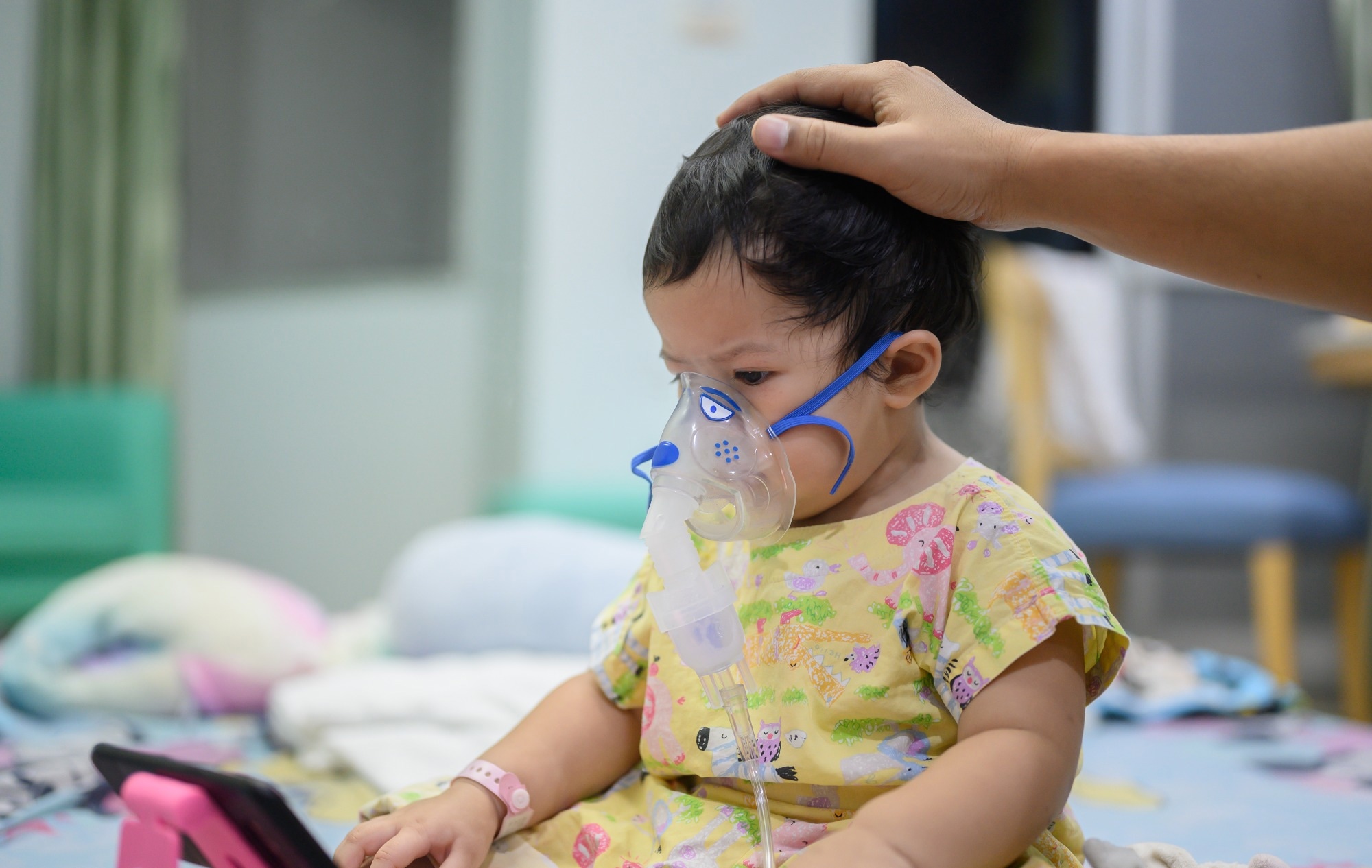
Study: Maternal Respiratory Syncytial Virus Prefusion F Vaccination and Acute Respiratory Illness in Infants. Image Credit: Perfect Angle Images / Shutterstock
Respiratory syncytial virus (RSV) is a major cause of lower respiratory tract infections and hospitalization in young infants. Maternal vaccination with the RSV prefusion F vaccine was associated with a substantially lower risk of RSV-related hospitalization for respiratory disease in infants, according to a recent study published in JAMA Network Open.
Background
RSV remains the leading cause of lower respiratory tract disease (LRTD) among infants globally and is responsible for 33 million cases and 3.6 million hospitalizations each year, with 100,000 deaths among under-fives. Approximately half of RSV-linked hospitalizations are in infants below six months, corresponding to a US rate of 24 /1,000 infants below three months with RSV-associated hospitalization.
In 2023, the bivalent RSV prefusion F vaccine was approved for use in pregnant individuals in the United States. It protects against RSV-A and RSV-B. It is intended to reduce the risk of RSV-associated LRTD and severe LRTD in newborns via maternal antibodies. The vaccine is recommended between 32 and 36 weeks and 6 days of gestation.
The current study aimed to assess the vaccine's real-world effectiveness in this situation. This ongoing study is designed to cover four years of maternal vaccination and RSV-associated ARI and LRTD outcomes in infants.
A retrospective case-control study using a test-negative design was conducted during two RSV seasons from 2023 to 2025. The current cohort included 274 hospitalized infants with ARI, 90 days or younger. All were tested for RSV.
Maternal vaccination rates were compared between babies with RSV (cases) and those without (controls). Vaccine effectiveness against RSV-associated hospitalization of infants with acute respiratory illness (ARI) and LRTD was estimated from birth through 90 days of life.
Cohort Characteristics
The mean age of the 274 infants in the study was 30 days, with 48% being female. Over 60% were White and 14% Black. On average, they were born at 38 weeks. About 16% were born preterm between 34 weeks 0 days and 36 weeks 6 days of gestation. Most were born healthy.
Maternal Vaccination Linked to Reduced Severe RSV Disease in Infants
Of the 274 infants, 83 tested positive for RSV. These babies were more likely to have been born between October and December, at about 74%. They were also more likely to have been born preterm, male, Black, and to have siblings. They were also more likely to live in neighborhoods with higher levels of deprivation.
About 87% of cases had LRTD, compared with 45% in controls. While 34% of cases required intensive care unit (ICU) admission, this was true of only 17% of the controls. Similarly, about 21% of controls required oxygen or respiratory support compared to 68% of cases.
The investigators found that about 30% of the infants were born to prefusion F-vaccine recipients. This proportion was skewed towards the controls, with 37% of controls being born to vaccinated mothers versus 13% of cases.
Maternal Prefusion F Vaccination Associated with Infant Protection
This suggests that maternal vaccination was associated with lower odds of RSV-associated hospitalization among infants with ARI in the test-negative analysis. The estimated effectiveness of the vaccine when administered in pregnancy within the recommended gestational window and at least 14 days before delivery against this outcome was 68% in infants up to 90 days, with a 95% confidence interval of 33% to 85%. For the same period, the estimated effectiveness against RSV-linked LRTD was 69% with a 95% confidence interval of 26% to 88%.
In the first month of life, the estimated vaccine effectiveness against RSV-linked ARI hospitalization was 74% (95% confidence interval: 25% to 93%).
The results are comparable to those from the key clinical trial that led to approval, and to broader surveillance studies. They are among the earliest real-world evidence that maternal RSV prefusion F vaccination may provide protection against the risk of severe RSV illness requiring hospitalization in the first three months of life. The point estimate was highest during the first month of life, although confidence intervals were wide, and this is also the period of greatest vulnerability.
Strengths and Limitations
The study used a real-world cohort to examine how maternal vaccination reduced infant hospitalizations for RSV-associated ARI. The cohort included preterm or sick infants and those born from multiple pregnancies, indicating the potentially broad utility of protection. The vaccination window was also much narrower than that used in the clinical trial, but yielded a similar magnitude of protection.
Moreover, the investigators used hospitalization data over two RSV seasons following vaccine introduction within a single health system in western Pennsylvania.
However, it has some limitations. It involved a single healthcare system with a small sample. Its observational design precludes causal inference; residual confounding may influence outcomes, though the study was designed to minimize bias from health-seeking behavior and misclassification. The relatively small sample resulted in wide confidence intervals for estimated effectiveness, particularly in subgroup analyses, which were not adequately powered.
Additional studies from other regions are needed to confirm effectiveness estimates and assess the duration of protection. The outcomes of earlier vaccination (allowing more time for antibody development and transplacental transfer) should be determined in larger samples to increase confidence in the findings.
Pfizer supported the study through a collaboration with the University of Pittsburgh, and several authors reported Pfizer employment, stock holdings, or grant support. The paper states that Pfizer reviewed and approved the manuscript but had no role in data collection, management, analysis, or the decision to submit it for publication.
Conclusion
Maternal RSV prefusion F vaccination during late pregnancy was associated with evidence of protection against RSV-related hospitalization in infants 90 days or younger. The findings suggest that this may be an effective strategy for preventing severe RSV disease during early infancy, and thus support current recommendations for maternal RSV immunization.
Download your PDF copy by clicking here.
 African Bundibugyo ebolavirus vaccine candidate to be advanced to clinical trials