Consumers and expert-derived nutrition ratings often disagree on the healthfulness of everyday carbohydrate-rich foods, and a new belief-mapping method identifies where clearer research and public health messaging could make the biggest difference.
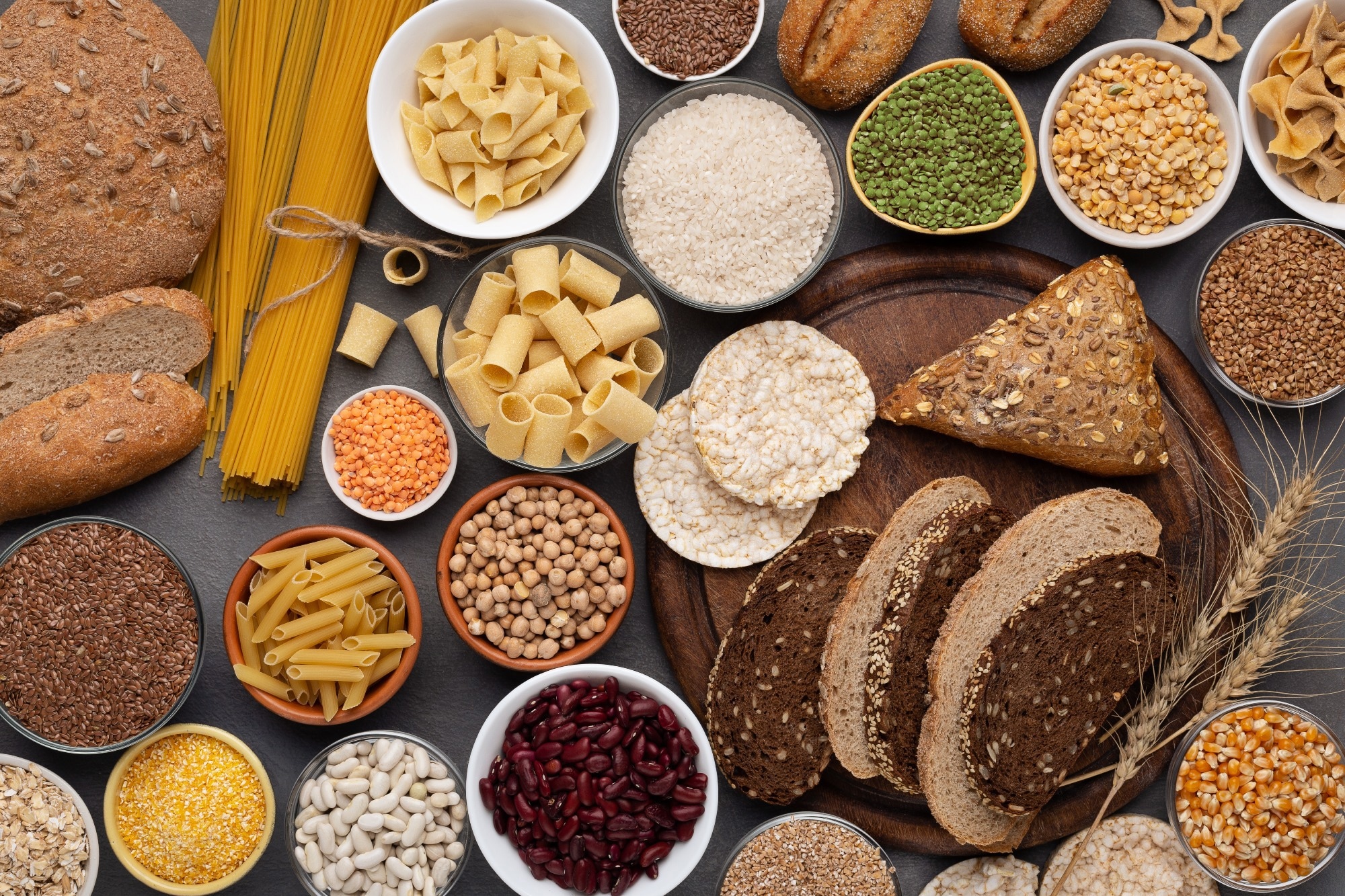 Study: Educational Gaps and Communication Priorities for the Healthfulness of Carbohydrate Foods. Image credit: Prostock-studio/Shutterstock.com
A recent study published in the Journal of the American Nutrition Association identified substantial gaps between consumer perceptions of the healthfulness of commonly consumed carbohydrate-rich foods and expert-derived healthfulness ratings. These gaps were then combined with expert uncertainty and food consumption patterns to identify several foods that should be prioritized for future nutrition education and research.
Conflicting nutrition advice and carbohydrate confusion
A healthy diet is among the strongest strategies to prevent and mitigate the health and economic costs of chronic disease. However, consumers do not always agree with expert perceptions about the healthfulness of diets, foods, and nutrients.
Nutrition experts also do not always agree on the healthfulness of specific foods, and the complexity of the science can make it difficult to communicate clear, consistent dietary advice. The authors note that appropriately communicating areas of expert agreement, disagreement, and uncertainty may help build public trust and support informed decision-making.
Conflicting messages about carbohydrate-rich foods can make it difficult for people to make informed dietary choices, undermine shared understanding, and complicate nutrition policy.
Prior research has been mostly fragmented and does not prioritize this, focusing on individual foods or food groups, measuring only consumer or expert assessments of nutritional value and healthfulness, or evaluating food risks such as bacterial or chemical contamination.
Three measures identify foods needing attention
The current study seeks to address this gap through a unique quantitative belief-mapping approach to assess three parameters in a pilot analysis of 20 commonly consumed carbohydrate-containing foods: Differences between consumers and experts in perception of the healthfulness of foods, expert uncertainties or disagreements, and consumption patterns for 20 common carbohydrate foods.
Consumer perceptions of food healthfulness were compared with expert-derived healthfulness ratings based on a harmonized meta-nutrition profiling system. Foods were ranked for overall, negative, and positive misperception. This was followed by assigning an alignment grading from A to D, using a school grading scale.
Expert health ratings were aggregated and harmonized using the FRESH Food Recommendations for Equitable, Sustainable Health™ platform, which integrates multiple nutrition profiling systems representing codified expert guidance.
Consumers frequently differed from expert health ratings
Misperceptions were present for all 20 foods, with the highest being for honey and the lowest for cola drinks. About 85% of foods scored Cs or Ds, indicating poor alignment.
Honey and potato foods showed opposite biases
The misperception profile also varied between foods, with honey showing mostly positive misperception (consumers considered it healthier than average expert ratings). Conversely, French fries, along with the other surveyed potato-based foods (potato chips and baked potatoes), and air-popped unbuttered popcorn, showed mostly negative misperception (consumers considered these foods less healthy than expert ratings suggest). Even so, both negative and positive misperceptions were observed for all foods.
Several everyday foods showed complex misconceptions
The largest overall misperception was for honey oat cereal, 100% fruit juice, whole wheat bread, buttered popcorn, and corn tortilla. Complex misperception (comprising both negative and positive) was most pronounced for these foods as well. This highlights the need for better explanations to counter both positive and negative misperception.
Nutrition rating systems disagreed on many foods
In contrast, expert uncertainty was present for 75% of the foods. While microwave butter-flavored popcorn showed high disagreement, apples were consistently perceived by experts as healthy. However, unlike consumers, expert disagreement showed some clustering by food category.
For instance, fruits and vegetables were areas of strong agreement, while grains and snacks were areas of uncertainty. Overall, this suggests that expert advice varied considerably for these common carbohydrate foods outside the fruit and vegetable category.
Consumers more often underestimated food healthfulness
Consumers were more likely to perceive foods as less healthy than the experts, with the average negative misperception being 2.3-fold greater than the average positive misperception. This indicates that for carbohydrate foods, consumers were largely misaligned with the expert-derived reference ratings used in the study and tended towards the negative.
Four widely eaten foods emerged as priorities
The three-pronged approach identified the priority foods as white rice, white bread, corn tortilla, and fruit juice with vitamin C, based on the combined criteria of consumer misalignment, expert uncertainty, and high U.S. consumption.
Limitations
This study focused on only 20 carbohydrate foods in a pilot analysis using a U.S. convenience sample. The harmonization of different expert rating systems across five nutrition profiling systems might have blurred positive and negative signals within individual scales. The reported limitations of the meta-analysis also apply, and the authors note that the findings are also influenced by the analytical choices made and the belief-elicitation methods used.
Targeted messaging may narrow nutrition knowledge gaps
The researchers developed and used a unique method to identify food education gaps by priority, based on discordance in consumer versus expert perceptions and between experts themselves.
Notably, the authors point out the discordance with earlier reports that concluded non-concerning levels of misalignment with expert ratings. These findings suggest that more targeted, food-specific messaging that accounts for the direction of misperception may be warranted.
Expert uncertainty would require intensive scientific efforts to arrive at an evidence-based consensus founded on standardized, systematically mapped results.
A belief-mapping approach may help identify foods that should be prioritized for nutrition research and public health communication. The authors suggest the extended use of this tool to study other foods in other population samples for other aspects of healthfulness. This could “support the design of more effective nutrition communication, labeling, and policy interventions.”
Download your PDF copy now!
 Study provides evidence-based reassurance that baby-led weaning supports normal infant weight gain