Despite cancer rates similar to Western Europe, patients in the Balkans are far more likely to die from the disease. Experts point to delayed detection, weak primary care, and limited access to advanced diagnostics as the principal culprits.
Across the Balkan Peninsula, health systems face a stark contradiction: while the incidence of solid tumours broadly mirrors that of Western Europe, mortality remains stubbornly elevated. Lung, colorectal, and prostate cancers are the leading killers among men, while breast, lung, colorectal, and cervical cancers take the heaviest toll on women.

Dr Marchela Koleva, Founder and Head of the Department of Medical Oncology at St. Sophia Hospital. Image Credit: BGI Genomics
New treatments – including experimental cancer vaccines from Moderna show promise in late-stage trials, but their cost puts them out of reach for most patients in the region. According to Dr Marchela Koleva, founder and Head of the Department of Medical Oncology at St. Sophia Hospital the core problem is not a lack of therapies but a chronic failure to diagnose early enough.
Barriers to Access and Awareness
The World Health Organization projects global cancer cases will rise 77% by 2050, exceeding 35 million new annual diagnoses. Low- and middle-income countries face the steepest increases – between 99% and 142%. Yet the WHO also estimates that 30–50% of all cancers are preventable through risk reduction and systematic screening.
In Serbia, the age‑standardised incidence rate stands at 610 per 100,000, with mortality at 315 per 100,000, both above European averages of 570 and 260, respectively. Data from the WHO’s International Agency for Research on Cancer project and the European Cancer Information System attribute this excess mortality to delays in detection and weak prevention policies.
“More cases are diagnosed at clinically advanced, symptomatic stages because screening policies are not as developed as in Western Europe,” says Dr Koleva. She added that more than 60% of Balkan patients are first diagnosed when their cancer is already advanced, and 25–30% already have metastases at their first medical visit. Surgery remains the mainstay of treatment, but its benefits are limited – particularly for the elderly and those with aggressive or metastatic disease.
Notably, countries in the Balkan Peninsula recognized the significance of oncology screening more than a decade ago, introducing national screening programs for colorectal cancer (CRC), breast cancer (BC), and cervical cancer. However, participation rates in these voluntary screening programs remain low.
Poor awareness and myths about cancer further suppress screening uptake. Breast cancer screening rates fall to just 36% in Bulgaria and a mere 9% in Romania, figures that directly correlate with late detection and five‑year survival rates that lag far behind Western benchmarks.
Precision Medicine and the ‘Silent Window’
Genomic science is driving cancer detection towards earlier stages, especially in breast and colon cancers," says Dr. Koleva. Tumours can take a decade to cause symptoms, clinicians are increasingly exploiting this "silent window" through early biomarker testing.
One of the most promising tools is cell‑free DNA (cfDNA) analysis (liquid biopsy). It can detect microscopic genomic changes in blood samples long before a tumour appears on MRI or CT scans. The American Cancer Society recently elevated multitarget stool DNA (mt‑sDNA) tests to a preferred screening option for average‑risk adults from age 45.
Early detection is life‑changing, enabling timely intervention that can halt or slow metastatic spread. A 2020 Dutch trial found that lung cancer incidence was 5.58 vs 4.91 cases per 1,000 person‑years in screened vs control groups, while mortality was 2.50 vs 3.30 deaths per 1,000 person‑years.
“All modern laboratory and imaging diagnostic methods are available in our country,” says Dr Koleva. “But liquid biopsy is not covered by health insurance. Despite the cost, these tests are increasingly performed, paid for mainly by families or supplementary private funds.”
Endoscopy can perform only a limited number of colonoscopies daily, and resources barely cover high‑risk groups. The procedural bottleneck is a major constraint.
Although the WHO published its Guide to Cancer Early Diagnosis in 2017, Dr Koleva doubts it has significantly shifted government policies in the region. “They (policy maker) may lack resources or motivation to align their policies accordingly,” she says. Advanced genetic profiling is not publicly reimbursed in countries like Bulgaria, even for diagnostic use, let alone population screening. High costs force families to dip into savings or rely on private insurance.
Dr Koleva believes that integrating genetic navigation into routine oncology is the future, but stresses the need for clear standardization before these tools can be deployed at scale for population‑level screening.
Screening Success
Some governments have made notable progress. France offers free mail‑order fecal immunological test (FIT) kits for those aged 50–74, with analysis fully covered by its national health insurance. Hong Kong subsidizes colorectal screening every two years for asymptomatic residents aged 50–75.
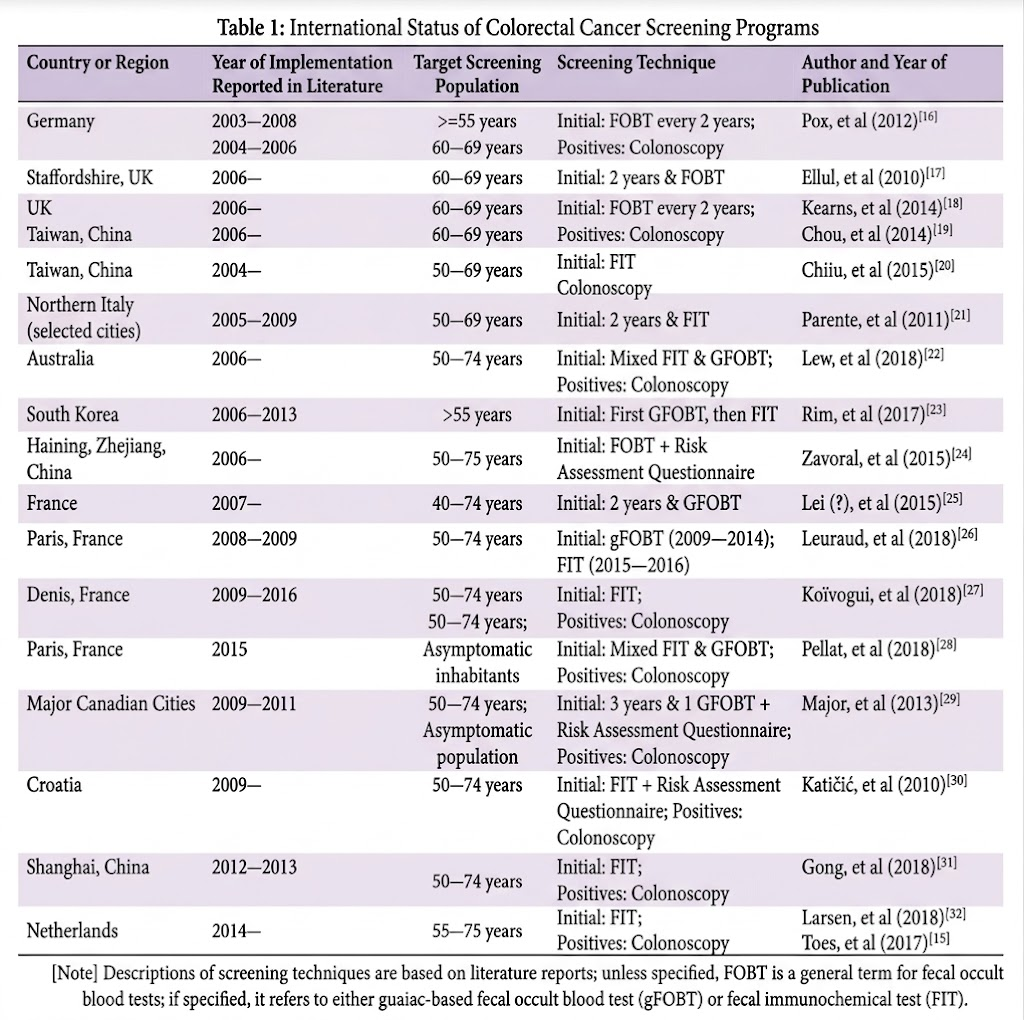
Image Credit: BGI Genomics
In 2024, China launched a 3-year free screening program for digestive cancers and "four highs" in 2.4 million people in Harbin. Using fecal DNA testing and colonoscopy referrals, it costs just 200 RMB per case (vs. 2,000+ privately). With a 1:6 ROI, it has screened 1.3 million, saving 653 cancer patients and treating 26,166 precancerous cases.
AI Steps Up the Fight
The battle against cancer is increasingly being won before symptoms appear. As advanced computational models merge with rapid genetic sequencing, oncology is moving from reactive treatment to precision early interception.
Clinical artificial intelligence is already making a difference:
- Radiology & Pathology: US FDA‑authorised AI tools help pathologists map cancerous margins in prostate biopsies; deep‑learning systems automate cervical precancer screening and detect subtle breast cancer signals on mammograms years before invasive growth.
- Targeted Interventions: Companies like Moderna are using machine learning alongside lower‑cost genomic sequencing to design personalised mRNA cancer therapies in a fraction of the time previously required.
- Accessible Screening: Non‑invasive tests such as COLOTECT are streamlining colorectal screening, lowering both financial and logistical barriers.
Automation Breaks the Lab Bottleneck
Traditional diagnostic workflows remain fragmented and labour‑intensive – pipetting, data transcription, manual slide reviews – creating delays and raising the risk of oversight.
To address this, diagnostic developers are turning to integrated, automated systems. BGI Genomics, for example, has launched SIROmics™ – an automated platform that pairs high‑throughput local genetic testing with AI‑driven data interpretation.
“By integrating these components into a unified system, SIROmics™ reduces reliance on disconnected processes and manual handoffs,” says Jelena Crnjanski of BGI Genomics. “It can cut manual intervention from around 35% in conventional workflows to about 5%, freeing laboratory staff to focus on quality control and result interpretation.”
By replacing disjointed manual steps with end‑to‑end automation, clinical labs can expand testing capacity substantially, delivering faster and more reliable oncology insights to both doctors and patients.
The Balkans have the tools to curb rising cancer rates, but progress hinges on political will, public reimbursement, and awareness. Without systemic screening and early detection, mortality will persist. Learning from global successes, the region must act now: Not just to treat, but to prevent, before the burden becomes insurmountable.
 New genetic ‘roadmap’ advances precision therapy for intrahepatic cholangiocarcinoma