New mouse data reveal that ageing neurons struggle to clear synaptic proteins, shifting the burden to microglia and exposing a critical vulnerability in brain protein maintenance.
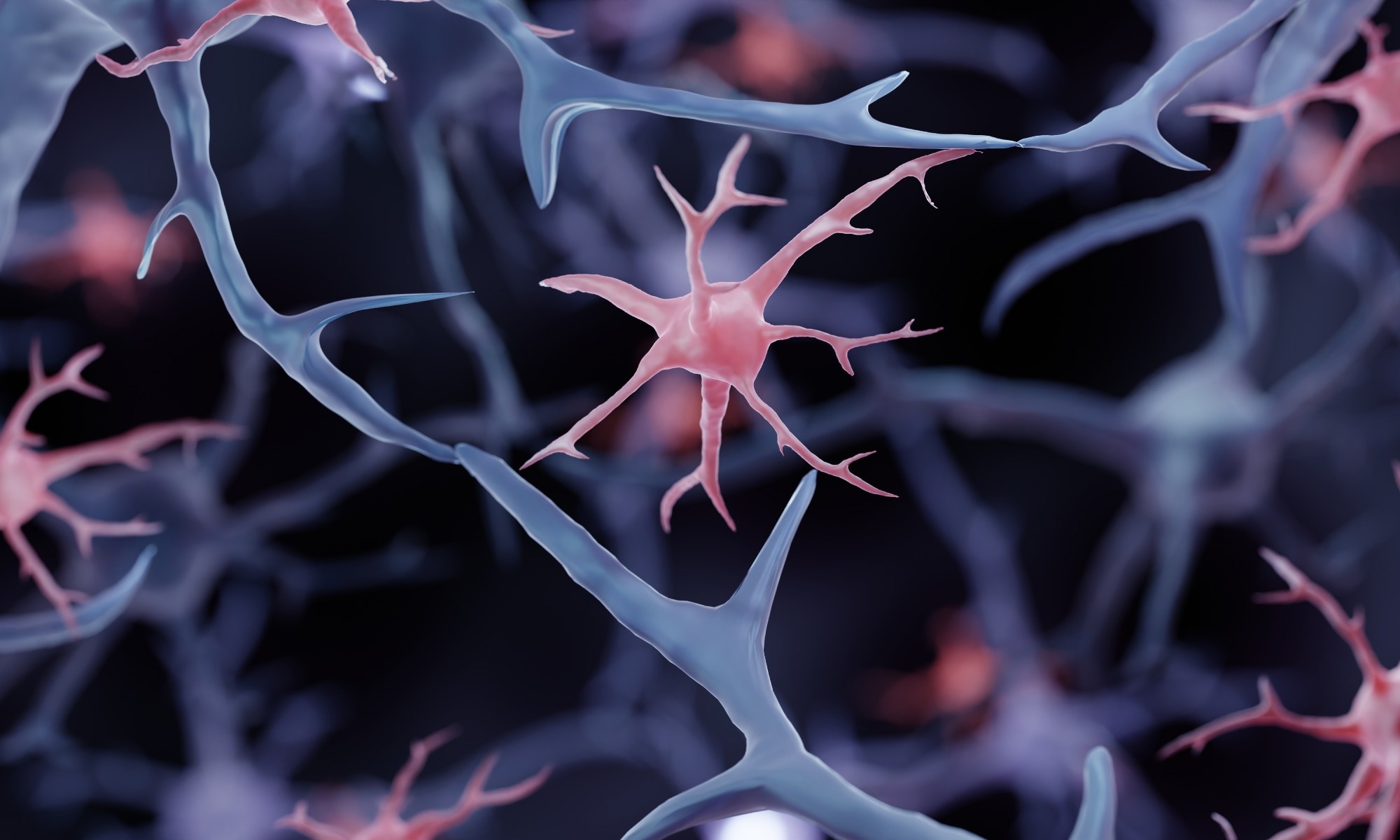
Study: Ageing promotes microglial accumulation of slow-degrading synaptic proteins. Image Credit: ART-ur / Shutterstock
In a recent study published in the journal Nature, a group of researchers investigated how aging alters neuronal protein degradation, aggregation, and transfer to microglia, with a focus on synaptic proteins using mouse models of brain aging.
Age as the Dominant Risk Factor for Neurodegenerative Disease
More than one in twelve people worldwide is affected by a neurodegenerative disease, and age remains the strongest risk factor. The aging of the brain makes neurons increasingly unable to sustain protein synthesis, folding, transport, and degradation, a collective process known as proteostasis. When this balance is disrupted, proteins can misfold, deposit, and aggregate, thereby impairing normal brain function. These transformations are closely associated with memory loss, cognitive decline, and dementia. Although various studies have analyzed protein turnover at the scale of the entire brain, neurons are particularly susceptible since they must endure a lifetime without dividing.
Further research is required to understand how aging disrupts mechanisms for maintaining neuron-specific proteins.
Experimental Strategy to Track Neuronal Protein Turnover
Genetically engineered mouse models were used to label newly synthesized neuronal proteins in living brains selectively. This was achieved using BONCAT (Bioorthogonal Non-Canonical Amino Acid Tagging). This technique incorporates artificial amino acids into newly synthesized proteins through mutant aminoacyl transfer ribonucleic acid synthetases (tRNA synthetases).
Young, middle-aged, and aged mice were fed non-canonical amino acids and labeled using pulse, chase experiments to assess protein degradation over defined time periods. In other experiments, neuronal labeling machinery was delivered using adeno-associated virus (AAV) vectors. Multiple brain regions were dissected and analyzed, including the cortex, hippocampus, striatum, and hypothalamus.
Proteomic Quantification and Cellular Resolution
Labeled proteins were enriched and quantified using liquid chromatography, mass spectrometry (LC-MS), combined with tandem mass tag (TMT) multiplexing for accurate comparisons across ages and brain regions. Protein half-lives were estimated using established kinetic models.
Protein aggregates were isolated using detergent-based fractionation. To examine how immune cells process neuronal proteins, researchers used fluorescence-activated cell sorting (FACS) to isolate microglia and analyze neuron-derived proteins within these cells.
Age-Related Slowing of Neuronal Protein Degradation
Neuronal protein degradation slowed markedly with age across all examined brain regions. On average, protein half-lives nearly doubled between young and aged mice, indicating a widespread age-related decline in protein turnover. This slowdown emerged primarily after middle age and varied by brain region, with the hippocampus and sensory cortex showing particularly strong effects. Importantly, these changes were not explained by lower protein abundance but instead reflected a broad slowing of neuronal protein degradation kinetics with aging.
Synaptic and Mitochondrial Proteins as Primary Targets
Proteins most affected by age were enriched in synaptic structures, mitochondria, and cell junctions, structures that are essential for neuronal communication and metabolic function. Many of these proteins were encoded by genes previously linked to neurodegenerative and neurodevelopmental disorders, suggesting an association between impaired protein turnover and disease susceptibility. Regional comparisons further showed that certain brain areas were more vulnerable to age-related proteostatic decline than others, mirroring the uneven patterns of cognitive decline observed in humans.
Protein Aggregation as a Consequence of Impaired Turnover
Beyond slowed degradation, aging neurons accumulated large numbers of aggregated proteins. Detailed analysis identified over 1,700 neuronal proteins within insoluble aggregates in aged brains. Nearly half of these aggregated proteins also exhibited reduced degradation rates, indicating a close relationship between impaired turnover and aggregation. Synaptic proteins were again strongly overrepresented, reinforcing the idea that synapses are early and critical targets of age-related proteostatic failure.
Microglial Uptake of Aging-Related Neuronal Proteins
Unexpectedly, microglia contained many slowly degrading, accumulated proteins derived from neurons, with substantially higher levels in aged brains than in young brains. These proteins were enriched for synaptic markers and were commonly localized within microglial lysosomes, indicating active uptake and processing. Both presynaptic and postsynaptic proteins were represented, consistent with synapse-associated material being cleared by microglia.
More than 50% of the neuronal proteins accumulated in aged microglia showed prior evidence of defective degradation or aggregation within neurons. This overlap was significantly greater than would be expected by chance, indicating a selective rather than random clearance process.
These findings suggest that microglia may serve as a compensatory pathway for removing neuronal proteins when intrinsic neuronal degradation mechanisms are impaired. However, as the burden of neuronal protein disposal increases with age, this process may contribute to microglial stress and broader age-related neuropathological vulnerability, rather than fully compensating for declining neuronal proteostasis.
Implications for Brain Aging and Neurodegenerative Vulnerability
Aging profoundly affects the brain’s ability to maintain protein balance within neurons, leading to slower degradation, widespread aggregation, and the accumulation of synaptic proteins. These changes disproportionately affect proteins involved in neuronal communication and are strongly associated with genes linked to neurodegenerative disease.
Microglia appear to play a compensatory role by selectively engulfing aging-related neuronal proteins, particularly those associated with synapses. While this mechanism may initially help maintain neuronal homeostasis, its increasing demand with age may have maladaptive consequences for brain health.
Although these findings derive from mouse models, they highlight neuronal proteostasis as a critical target for preserving brain function during aging.
 Dickkopf 3 protein drives radiation-induced fibrosis and chronic skin damage