Coaches and athletes across eight countries say sports clubs could become powerful community health hubs, but only if families, volunteers, and health systems work together to support lasting change.
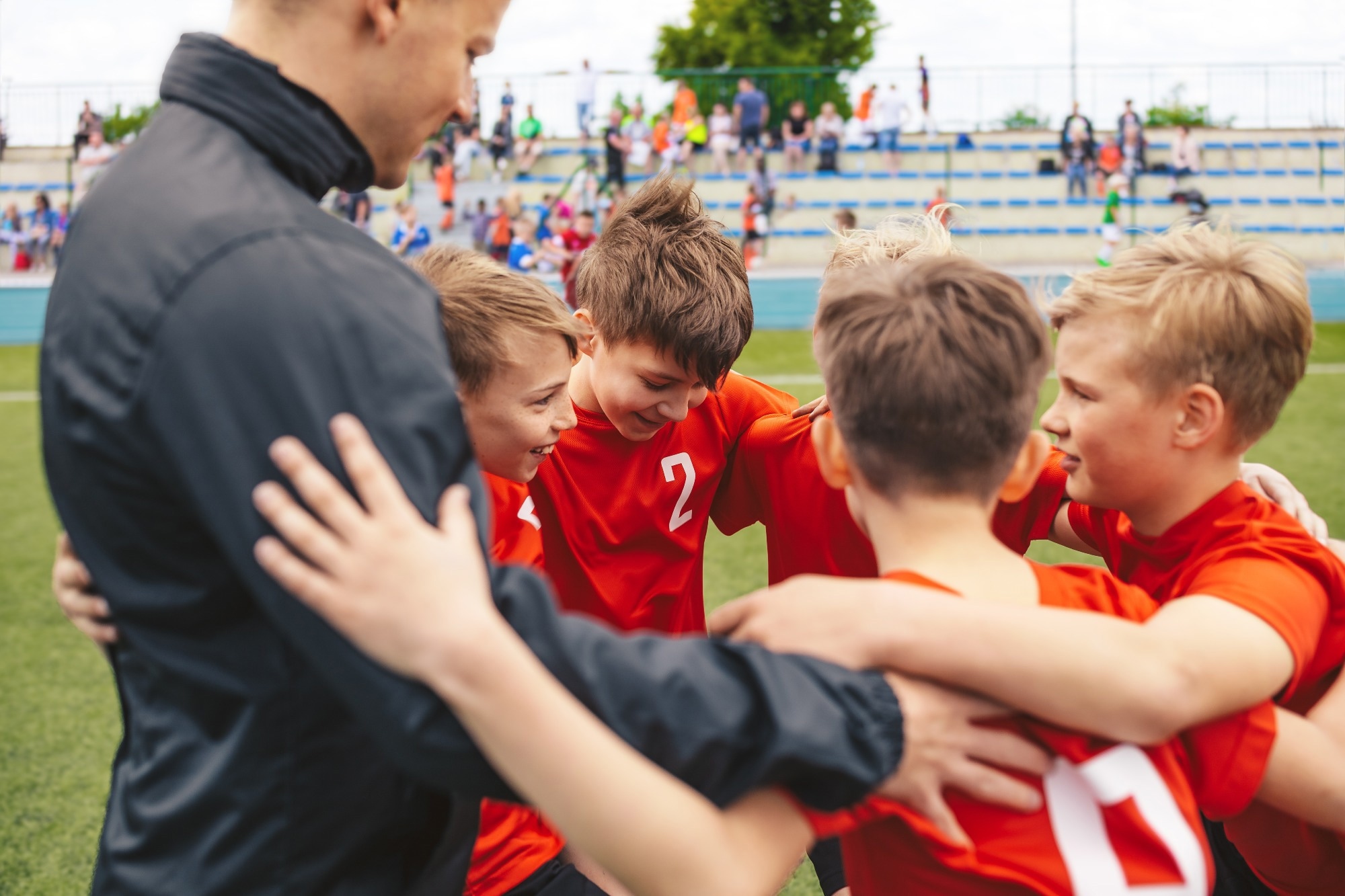 Study: The Role of Sport Coaches in Promoting the Health and Wellbeing of Athletes with Developmental Disabilities. Image credit: matimix/Shutterstock.com
A recent study in the International Journal of Environmental Research and Public Health investigated how sports coaches can support the health and well-being of athletes with intellectual and developmental disabilities.
Challenges and opportunities in health promotion for athletes with disabilities
Individuals with disabilities generally experience lower physical and emotional well-being compared to non-disabled counterparts, especially in terms of increased obesity, poor nutrition, and insufficient physical activity. These outcomes are largely attributable to inequitable access to health services, especially in low-resource settings with underdeveloped primary care and limited health promotion infrastructure.
Numerous small-scale interventions targeting health outcomes in individuals with disabilities have produced inconsistent and often unsustainable results. Health promotion has largely been led by specialist services, with limited integration into primary healthcare. Public health approaches remain rare, with minimal effectiveness from adapted informational resources. Community-driven strategies, including inclusive sports programs, represent a promising but underutilized approach, as advocated by the World Health Organization (WHO).
The Special Olympics (SO) is a global organization that involves approximately 5 million athletes across more than 190 countries. SO International has launched multiple health initiatives, including screenings, athlete education, and fitness programs, integrated with regular training and competitions. Previous studies have reported that these interventions were associated with improvements in self-reported health, reduced body weight, increased dietary fiber intake, greater self-confidence, and enhanced attitudes toward physical activity among participants.
Mainstream sports clubs have demonstrated the capacity to address members' health needs, thereby improving social, mental, and physical health. Coaches and sports organizations are recognized as key contributors to public health promotion. Optimizing health outcomes for individuals with disabilities in SO likely requires that coaches adopt health promotion as an integral component of their role. However, few studies have examined how athletes and coaches view health, which strategies work best, and what helps or hinders health promotion in sports.
Evaluating sport coaches’ impact on the health and well-being of athletes with disabilities
This study examined the extent to which coaches support athlete health and identified barriers to this role. Participation invitations were distributed to regional SO leads in Africa, Asia–Pacific, Europe, and South America, who informed approximately 60 national programs engaged in health promotion. Eight programs in Nigeria, Senegal, South Africa, Fiji, New Zealand, Ireland, Great Britain, and Mexico agreed to participate, representing nearly 130,000 athletes and over 19,000 coaches.
Ten coaches from various sports were selected for their active involvement in athlete health and diverse professional and personal backgrounds. Each country also selected up to six athlete leaders with strong communication skills, diverse backgrounds, and experience in health-focused leadership training. Group interviews were conducted via Zoom, with separate sessions for coaches and athletes.
National leads facilitated group sessions using standardized protocols across countries. Discussions addressed athlete health needs, ongoing health initiatives, perceived effectiveness of current strategies, feedback from athletes and carers, and coaches’ support requirements. Athlete leader groups followed a parallel process, focusing on athlete-driven health improvement, coach support, and motivation strategies.
Sixty-two coaches, most with over 5 years of SO experience, and 47 athletes from 7 countries participated in this study. Eight coach group interviews, with 6 to 10 participants each, and 7 athlete group interviews, with 6 to 7 participants each, were conducted.
Strategies, barriers, and opportunities in health promotion
This study synthesized data from over 100 participants, including athletes with intellectual disabilities and their coaches across eight diverse nations. Across all settings, both groups demonstrated high awareness of critical health challenges, with coaches particularly emphasizing the need to foster athlete autonomy in health management.
To promote athletes’ health, key strategies included increasing motivation for physical activity and healthy eating, and encouraging regular health check-ups and monitoring progress. Maintaining healthy behaviors depended on collaboration among coaches and athletes, families, caregivers, and health services. Coaches working in lower-resource settings more often cited malnutrition and poverty as significant barriers.
Coaches recognized the importance of expanding their own health knowledge and called for ongoing professional development, as well as informal health promotion through role modeling and connecting athletes to community resources.
Major challenges included motivating athletes to adopt healthy habits, securing family support, and providing adequate coach training. Individualized health promotion plans and prioritizing mental and emotional well-being were recognized as practical steps, given the positive impact of sports on confidence and social connections.
Some coaches also expressed reservations about taking on broader health-promotion responsibilities, citing limited time with athletes, concerns about privacy and independence, and uncertainty about whether monitoring health behaviors fell within their role. Implementing promising strategies at scale remains complex, particularly for volunteer-driven clubs, highlighting the importance of local support.
Conclusions
The study highlighted that improving the health of athletes with disabilities requires knowledge, motivation, training, resources, and community support; all play critical roles. Both athletes and coaches emphasized the importance of ongoing guidance and collaboration with families and health services to achieve lasting change.
Further research is needed on how local sports clubs, which often rely on volunteers, can be supported to introduce and sustain a health focus within their activities. In addition, prioritizing low-resourced communities and marginalized groups would be especially valuable.
Download your PDF copy by clicking here.
Journal reference:
-
McConkey, R., & Murray, F. (2026). The Role of Sport Coaches in Promoting the Health and Wellbeing of Athletes with Developmental Disabilities. International Journal of Environmental Research and Public Health. 23(5), 620. DOI: https://doi.org/10.3390/ijerph23050620. https://www.mdpi.com/1660-4601/23/5/620
 NYU Langone hospitals earn 12th consecutive top safety grades