Introduction
Hormones and the hair follicle
Pregnancy to postpartum: Hormonal surges and hair loss
Adulthood: Gradual thinning and FPHL
Menopause: Estrogen decline and age-related hair thinning
Conclusions
References
Further reading
From adolescent hormone signaling to menopausal follicular decline, this article reveals how life-stage biology shapes the patterns, causes, and clinical nuances of hair loss in women.
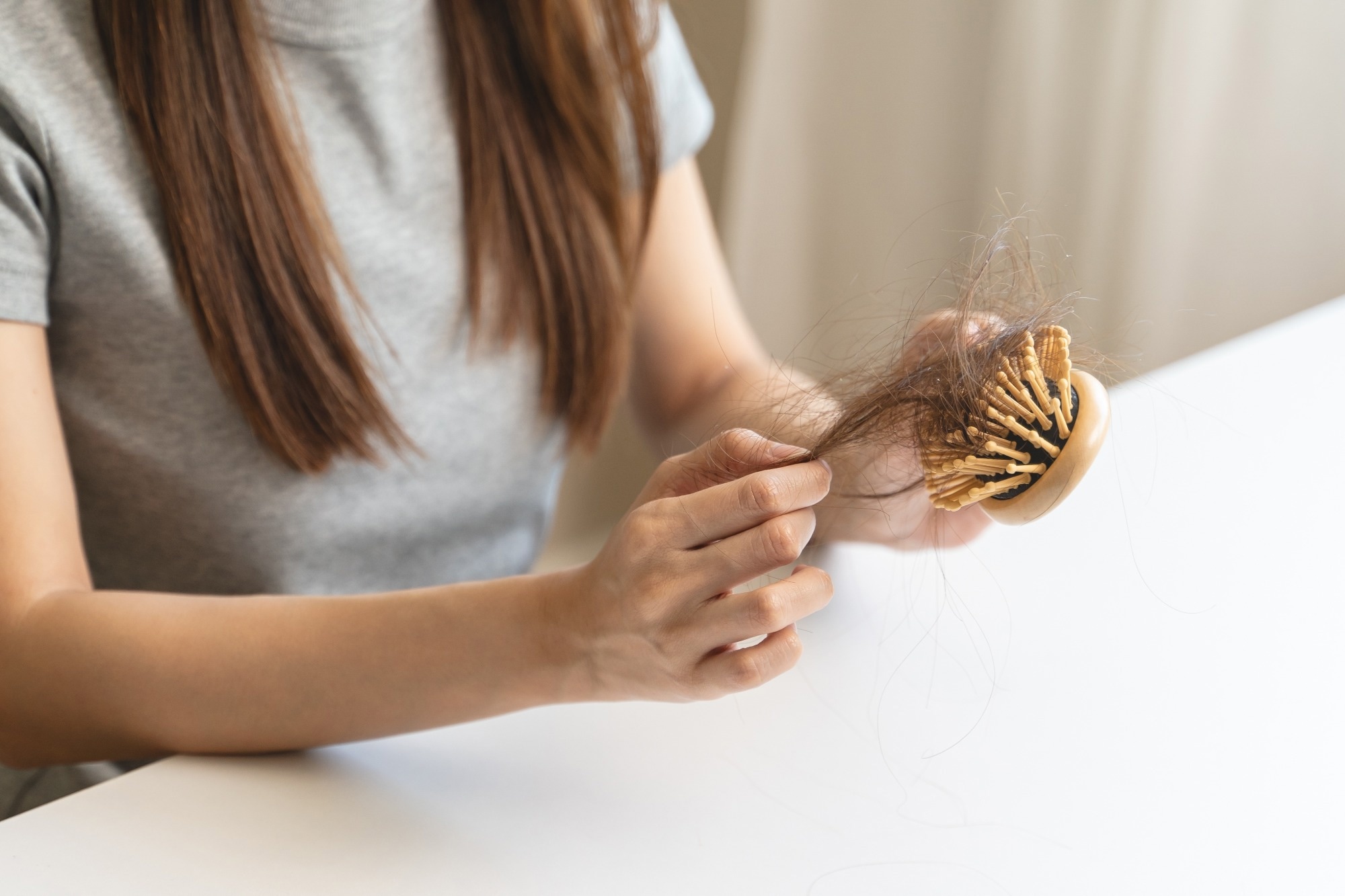 Image Credit: Pormezz / Shutterstock.com
Introduction
This article discusses the biological causes of hair loss in women, focusing on the hair growth cycle, follicle structure, and the roles of hormones such as estrogen and androgens in regulating hair growth and shedding. Hair loss in women is multifactorial, involving genetic predisposition, endocrine influences, environmental triggers, and systemic health conditions that vary across the lifespan.2,3
Hormones and the hair follicle
The hair follicle consists of dermal papilla cells, matrix keratinocytes, and multiple layers of surrounding sheaths. The hair growth cycle includes anagen, catagen, and telogen phases that represent active growth, regression, and rest periods, respectively, with anagen lasting several years, catagen a few weeks, and telogen approximately 3–5 months. Hair shedding often arises due to dysfunction during the anagen phase, such as its prolongation or premature shortening; however, a significant proportion of cases result from immediate or delayed telogen release, reflecting disruptions in normal follicular cycling.2
The hair follicle is a complex mini-organ composed of diverse cell populations, each with distinct locations, functions, and molecular component expressions. It stands as a remarkably dynamic system, constantly undergoing growth cycles throughout an individual’s lifetime.4”
During puberty, androgens like dihydrotestosterone (DHT) transform thin vellus hairs into darker and thicker terminal hairs that grow in sex-specific areas of the body. This transition reflects increased follicular responsiveness to hormonal signaling during adolescence.1 In rare cases, alopecia can affect adolescents in the form of androgenetic alopecia (AGA), a form of hair loss that primarily affects androgen-dependent regions of the scalp.
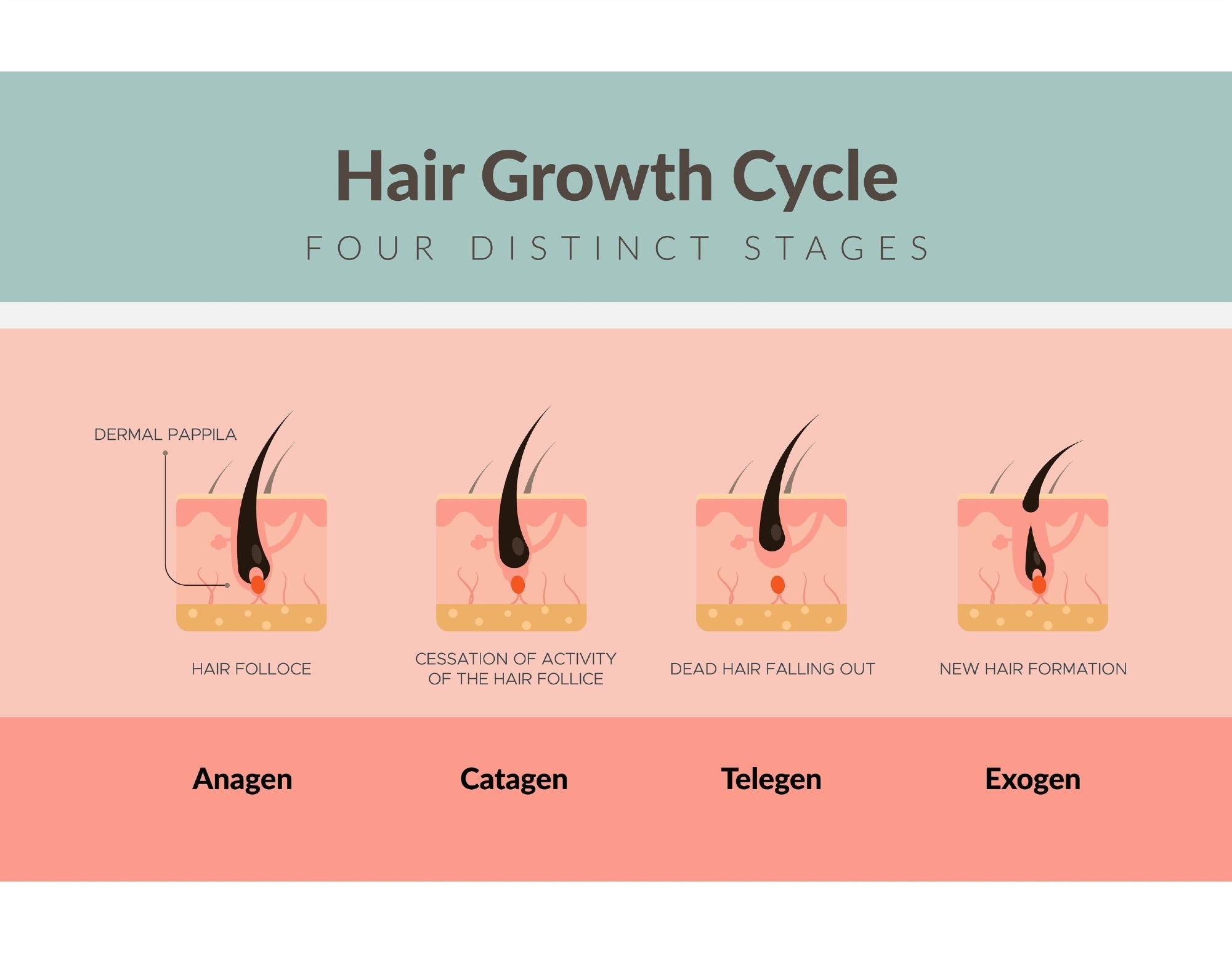 Image Credit: DesignPrax / Shutterstock.com
Pregnancy to postpartum: Hormonal surges and hair loss
Pregnancy is accompanied by higher levels of estrogen and progesterone that extend the anagen phase of the hair cycle, which reduces shedding and contributes to the appearance of thicker hair. Estrogen in particular is associated with prolongation of anagen and enhanced follicular growth signaling. Other hormones, including prolactin, may also influence follicular regulation.4 Together, these coordinated hormonal effects increase the appearance of hair fullness and reduce visible shedding.2,4
After delivery, estrogen and progesterone levels rapidly decline, which is one possible mechanism contributing to postpartum hair loss, also known as postpartum telogen effluvium (PPTE). This postpartum shedding is better understood as a telogen shift triggered by hormonal withdrawal and the physiological stress of childbirth. PPTE typically begins about two to five months after childbirth and is usually self-limited.2 PPTE or telogen gravidarum can also occur due to greater physiological stress from childbirth, causing more hair to enter the telogen phase.
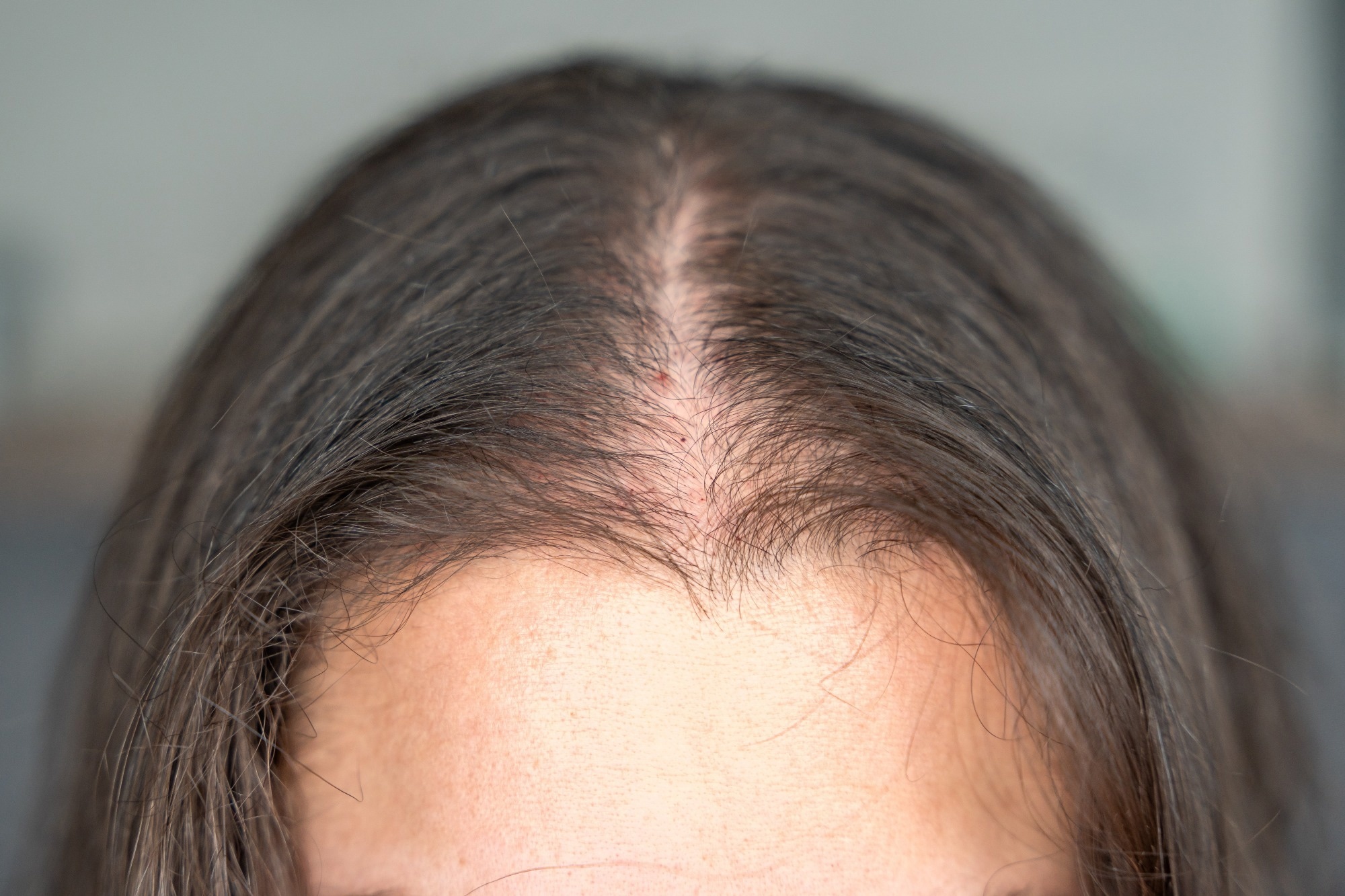 Image Credit: Tatiana Diuvbanova / Shutterstock.com
Adulthood: Gradual thinning and FPHL
Female pattern hair loss (FPHL) is a chronic non-scarring hormonal disorder characterized by the gradual thinning of hair in the central, frontal, and parietal areas of the scalp.3 Specifically, FPHL arises due to the miniaturization of hair follicles that subsequently convert terminal follicles into vellus-like follicles. Vellus-like follicles have a shorter hair growth cycle, thereby leading to the production of short and fine hair shafts that exhibit lower density on the scalp and other affected areas.
As the most common hair loss disorder affecting women throughout the world, symptoms of FPHL can emerge as early as adolescence in rare cases, with 25% and 41% of affected women developing symptoms by 49 and 69 years of age, respectively. Its frequency increases with age, and many women show some degree of involvement later in life.3 The role of androgens in male hair loss has been clearly established, during which hair follicles are more sensitive to the effects of androgens, particularly DHT, even when circulating androgen levels remain within normal ranges.2,3
It remains unclear whether androgens contribute to FPHL to the same extent, as some patients may develop symptoms in the absence of androgens. Current evidence instead supports FPHL as a polygenic and multifactorial condition that may involve both androgen-dependent and androgen-independent mechanisms. Among this subset of women, the presence of comorbidities like polycystic ovarian syndrome (PCOS) and metabolic conditions like obesity, insulin resistance, and hypertension may contribute to FPHL, in addition to other nonandrogenic factors like genetic susceptibility and exposure to certain environmental hazards or medications. For example, recent findings suggest that Wnt/β-catenin signaling is important for maintaining follicular regeneration and stem cell activity; however, additional research is needed to clarify the exact roles of these pathways in hair loss development.1,3
Management strategies for FPHL can be topical or systemic approaches to interfere with the production, transport, or metabolism of androgens, as well as their ability to bind to their respective receptors. Topical minoxidil is the best-supported medical therapy, while oral antiandrogens may be considered in selected patients. Due to the potential teratogenic effects that androgen-dependent medications can cause, clinicians often advise patients to concomitantly take an oral contraceptive when undergoing treatment for FPHL.3
Top Causes of Hair Loss In Women - SLUCare Dermatology
Like delivery after pregnancy, menopause is also characterized by a significant reduction in estrogen levels that leads to various symptoms, including hair thinning, loss of volume, and texture changes that affect up to 50% of women. Estrogen sustains the anagen phase during hair growth by ensuring sufficient access to essential nutrients. It is also linked to follicular keratinocyte proliferation and longer growth duration. As estrogen levels decline, the anagen period shortens, leading to reduced hair growth and increased shedding.4
Previously, researchers observed that post-menopausal women experiencing alopecia exhibit both low estrogen levels and higher levels of androgens, particularly testosterone and DHT. Although androgen secretion also declines with age, the relative increase in the androgen-to-estrogen ratio may contribute to follicular miniaturization and female-pattern thinning. Despite an overall age-related decline in androgen levels, the marked reduction in estrogen during this period heightens the androgen-to-estrogen ratio, thereby enhancing the relative influence of androgens, which contribute to hair loss.4
Additional age-related factors may include reduced scalp blood flow, oxidative stress, metabolic change, and lower nutrient availability to the follicle.4 Specific symptoms of hair loss during menopause range from diffuse thinning to widening of the hair part, with their severity ranging between individuals. Systemic hormone-based approaches, including hormone replacement therapy, can balance hormone levels in some people; however, evidence for direct improvement in menopausal scalp hair remains limited 4, and topical formulations like minoxidil are often selected to support follicle activity and extend the hair growth phase.2,3
Conclusions
Any dysfunction in the complex interplay between hormonal changes, genetics, and follicle dynamics can lead to hair loss in women that can emerge anywhere from puberty to menopause. Different mechanisms may predominate at different life stages, including androgen responsiveness during reproductive years, telogen shifts after physiological stress, and hormonal and metabolic changes during menopause.2,3,4 Recognizing hair loss as a multifactorial and stage-specific condition allows for more personalized and timely interventions with the potential to improve quality of life and maintain hair health across different phases of a woman’s life.
References
- Xu, L., Liu, K. X., & Senna, M. M. (2017). A Practical Approach to the Diagnosis and Management of Hair Loss in Children and Adolescents. Frontiers in Medicine 4(112). DOI: 10.3389/fmed.2017.00112. https://www.frontiersin.org/journals/medicine/articles/10.3389/fmed.2017.00112/full
- Asghar, F., Shamim, N., Farooque, U., et al. (2020). Telogen Effluvium: A Review of the Literature. Cureus 12(5); e8320. DOI: 10.7759/cureus.8320. https://assets.cureus.com/uploads/review_article/pdf/32514/1612430325-1612430321-20210204-18203-2uzr9f.pdf.
- Fabbrocini, G., Cantelli, M., Masara, A., et al. (2018). Female pattern hair loss: A clinical, pathophysiologic, and therapeutic review. International Journal of Women’s Dermatology 4(4); 203-211. DOI: 10.1016/j.ijwd.2018.05.001. https://www.sciencedirect.com/science/article/pii/S2352647518300224
- Rinaldi, F., Trink, A., Mondadori, G., et al. (2023). The Menopausal Transition: Is the Hair Follicle “Going through Menopause”? Biomedicines 11(11). DOI: 10.3390/biomedicines11113041. https://www.mdpi.com/2227-9059/11/11/3041
Further Reading
Last Updated: Apr 12, 2026
 Natural sweetener improves hair loss treatment