A controlled trial in team-sport athletes suggests Ashwagandha may help maintain hormonal balance and support recovery and power adaptations during the physiological strain of pre-season training.
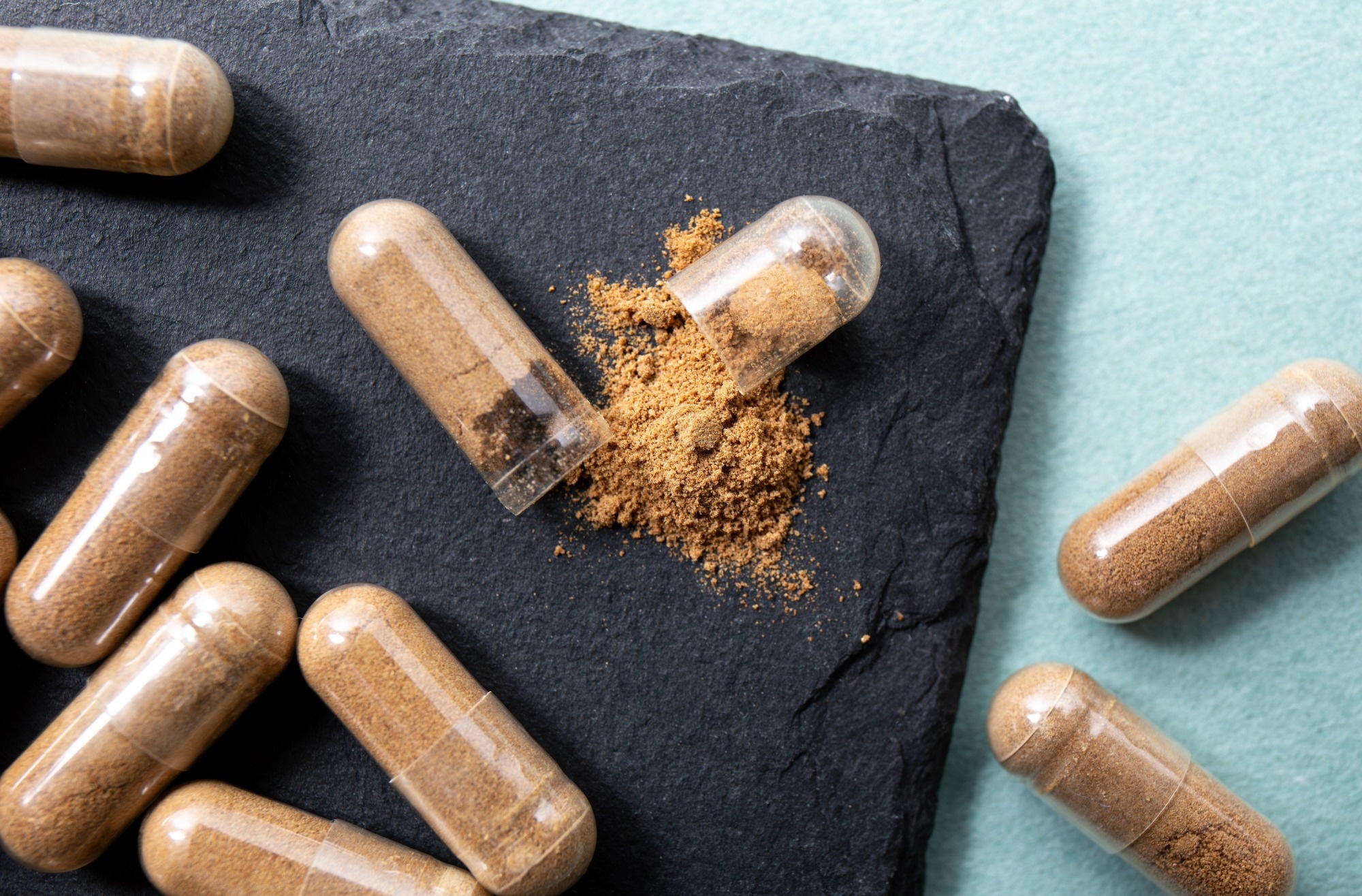
Study: Ashwagandha Root Extract Stabilises Physiological Stress Responses in Male and Female Team Sports Athletes During Pre-Season Training. Image Credit: FotoHelin / Shutterstock
A recent study in the journal Nutrients examined the associations between daily supplementation with 600 mg Ashwagandha root extract and psychological and physical performance outcomes in athletes engaged in team sports during pre-season training.
Pre-Season Training Stress and Recovery Challenges
Pre-season training develops physical capacities, refines technical skills, and prepares athletes for competitive in-season play. The cumulative training load alters cortisol levels, which may impair recovery, disrupt anabolic processes, and increase the risk of overtraining or injury. In contact and team sports that involve sprints, collisions, and rapid directional changes, athletes are more likely to strain their neuromuscular and endocrine systems, thereby influencing cortisol responses.
Physiological stress is evaluated by measuring salivary cortisol and cortisone, hormones indicative of HPA axis activity. Moderate- to high-intensity exercise increases circulating cortisol levels. Studies show that high-stakes matches in female athletes reduce sleep quality and increase salivary cortisol by 354%. Elevated post-exercise cortisol can suppress immune function, increase muscle protein breakdown, and disrupt sleep patterns, impairing performance and recovery.
Effective recovery strategies during pre-season are essential to mitigate elevated physiological stress responses and promote optimal training adaptation. Typical recovery strategies include adequate sleep quality, efficient muscle repair, and hormonal balance. Monitoring perceived recovery provides valuable insight into an athlete’s readiness to train and compete, encompassing perceptions of stress, fatigue, muscle soreness, and sleep quality. Assessing salivary hormones enables practitioners to better evaluate an athlete’s physiological and psychological adaptations throughout the pre-season.
Medicinal Effects and Performance Relevance of Ashwagandha
Ashwagandha (Withania somnifera) is a traditional adaptogenic herb that contains important secondary metabolites, including alkaloids, withanolides, and sitoindosides across its roots, aerial parts, and berries.
Previous studies have shown that Ashwagandha root extract can modulate the stress response, enhance physical performance, and improve recovery in healthy populations. In vitro studies found that leaf extract exhibited hepatocellular toxicity at higher concentrations, while root extract modulated CYP3A4 activity, indicating potential drug interactions.
Ashwagandha supplementation has also been associated with reduced systemic stress and improvements in well-being, muscle strength, and exercise endurance. Team-sport athletes experience unique preseason demands, including repeated high-intensity efforts and rapid directional changes, which may influence recovery and performance. However, high-quality evidence regarding its effects in athletes participating in contact and team sports remains limited.
Study Design and Athlete Characteristics
Scientists conducted a randomised, double-blind, placebo-controlled trial over six weeks to evaluate the effect of 600 mg/day root-extracted Ashwagandha on salivary hormone concentrations, perceived recovery, and muscle strength in male and female semi-professional athletes during pre-season.
The study hypothesised that supplementation would be associated with favourable changes in salivary cortisol and cortisone concentrations, improved recovery perception, and enhanced muscle strength outcomes in team-sport settings.
A total of 56 athletes from a sports academy in Barcelona, Spain, who engaged in rugby, water polo, and football were recruited. All participants competed at a sub-elite level and were classified as healthy or free from disease. Participants were randomly assigned to Ashwagandha (ASH) or placebo (PLA) groups. ASH group participants received 600 mg/day of the KSM-66 Ashwagandha root extract standardised to greater than 5% withanolides, while those in the placebo group received 600 mg/day of chickpea flour encapsulated in hydroxypropyl methylcellulose.
At the first visit, participants received study information and provided self-reported height, mass, and career length data. Post-training salivary biomarkers, training-based muscle strength and aerobic capacity, and next-day recovery perception were assessed using the Hooper Index (HI). Data collection occurred at the academy gym, a familiar training ground for all participants.
Hormonal, Recovery, and Performance Outcomes
Independent t-tests exhibited no significant baseline differences between ASH and PLA groups in age, height, body mass, or career length. Three participants discontinued due to scheduling conflicts unrelated to the intervention, resulting in 28 participants per group.
Only one ASH participant and one PLA participant reported mild headache and minor gastrointestinal discomfort, respectively. Cortisol increased significantly in PLA females from baseline to 42 days, but not in PLA males. Amylase showed an interaction effect in females, but post hoc tests were not significant. Testosterone, dehydroepiandrosterone sulfate (DHEA-S), and testosterone-to-cortisol ratio showed no significant changes in either sex.
ASH females showed significant improvements from baseline to 42 days in Overall HI scores, delayed-onset muscle soreness (DOMS), and fatigue scores, whereas males showed no significant changes in recovery perception. Both PLA and ASH males showed substantial improvements in pull-ups from baseline, consistent with training-related adaptations. ASH males also showed significant improvements in countermovement jump (CMJ) performance.
Interpretation, Limitations, and Practical Implications
The current study suggests that 600 mg/day of Ashwagandha root extract for 42 days was associated with sex-specific outcomes in team-sport athletes during pre-season training. Females demonstrated improved recovery perception alongside stable cortisol concentrations, while males exhibited enhanced lower-body power and stable cortisone concentrations compared with placebo groups.
These findings should be interpreted in light of several limitations, including the sub-elite athlete sample, modest subgroup sizes, lack of dietary intake control, and environmental training conditions, which may limit generalisability. Nonetheless, the results support the potential role of Ashwagandha as a supportive adjunct to recovery that may help preserve hormonal stability and facilitate training adaptation during demanding pre-season periods.
Journal reference:
- Coope, O. C. et al. (2026). Ashwagandha Root Extract Stabilises Physiological Stress Responses in Male and Female Team Sports Athletes During Pre-Season Training. Nutrients, 18(2). DOI: 10.3390/nu18020230, https://www.mdpi.com/2072-6643/18/2/230
 Brain injuries change how the hypothalamus responds to stress