A decade-long national survey reveals a troubling trend: more US teenagers are becoming obese as motivation to lose weight declines, raising urgent questions about shifting health behaviors and disparities among youth.
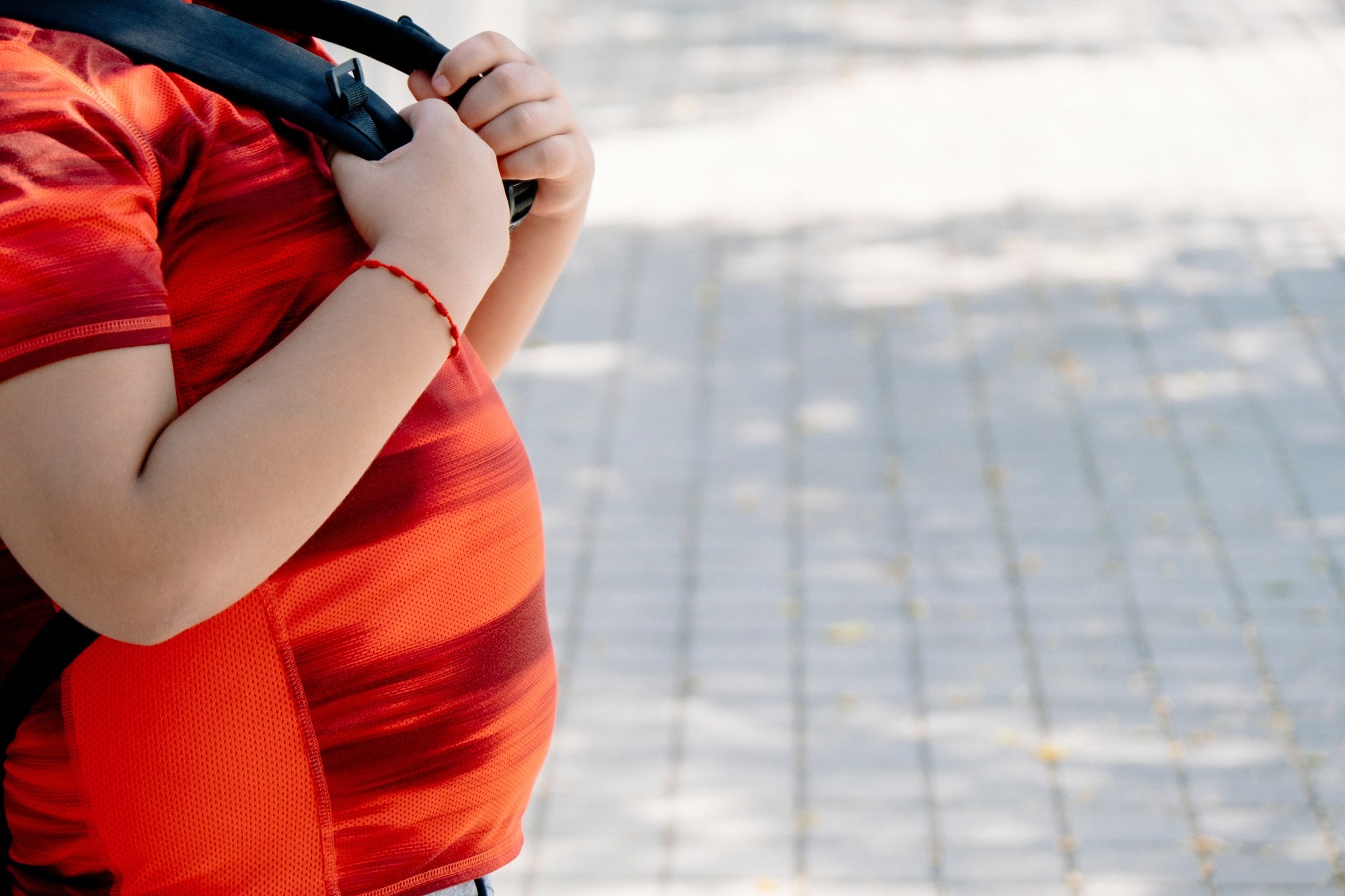 Study: Trends in Obesity, Overweight, and Attempted Weight Loss Among United States High School Students. Image credit: Sergio Arjona/Shutterstock.com
Rising obesity rates among American adolescents pose a growing public health concern, according to a new study published in the Ochsner Journal.
One in five US teens is affected by obesity
About 22 % of American adolescents are obese, which affects their mental and physical health. Adverse health outcomes like type 2 diabetes, hypertension, high cholesterol, obstructive sleep apnea, depression, and low self-esteem are commonly linked to obesity and can extend into adulthood.
The trajectories of adolescent obesity and weight loss attempts have not been thoroughly assessed, prompting the current study.
Large US survey captures adolescent health behaviours
The data for this cross-sectional study were drawn from the Youth Risk Behavior Survey (YRBS), a biennial school-based survey conducted by the US Centers for Disease Control and Prevention from 2013 to 2023. The survey captures a nationally representative sample of students in grades 9 through 12 attending public and private high schools across the United States. Participants self-report a range of health-related behaviours and experiences that may contribute to major health risks, including injury and mortality.
For this analysis, the researchers examined trends in obesity, overweight status, and attempts to lose weight across multiple survey cycles, using standardized body mass index (BMI) percentile definitions based on age and sex. The sample size varied by survey year, ranging from 13,324 participants in 2013 to 17,814 in 2023. Subgroup analyses were conducted by sex, race/ethnicity, and grade level to better understand differences across adolescent populations.
Weight-loss efforts drop despite increasing obesity prevalence
The findings show that adolescent obesity increased from 13.7 % in 2013 to 15.9 % in 2023, reflecting a modest but statistically significant upward trend over the decade. Rates rose steadily through the study period, reaching a peak of 16.3 % in 2021 before declining slightly in the most recent data.
When examined by sex, males consistently had higher obesity rates than females. Among males, prevalence increased from 16.6 % in 2013 to a peak of 18.9 % in 2019, then declined slightly to 18.2 % in 2023. In contrast, female trends were more variable, with rates fluctuating over time, falling to a low of 10.8 % in 2015 and later rising to a peak of 13.7 % in 2021.
Ethnic disparities reveal higher risk among minority teens
Stratified by ethnicity, Blacks and Hispanic/Latino adolescents were the most likely to be obese (peaking at approximately 20 %–21 % in 2021), while Asians had the lowest but still rising rates (11 % in 2023, up from 5.6 % in 2013). This is consistent with previous research suggesting that obesity risk may be higher in these groups due to socioeconomic and environmental factors, such as limited access to healthy foods, low health literacy, and reduced physical activity.
To address these disparities, the authors suggest that policy efforts could focus on reducing the availability and proximity of fast-food outlets near schools while promoting the development of grocery stores, particularly in underserved communities. They also highlight the importance of improving public transport access and encouraging healthier exercise habits among adolescents.
Alongside rising obesity rates, the proportion of overweight teenagers declined from 16.6 % in 2013 to 14.7 % in 2023, with the decrease more pronounced among boys. At the same time, fewer adolescents reported trying to lose weight. In 2023, 44.5 % said they were attempting weight loss, down from 47.7 % a decade earlier and a peak of 48.3 % in 2019.
This decline was most evident among students in the 10th and 12th grades. By contrast, obesity prevalence was highest among 11th-grade students in 2023, while 9th graders also experienced significant increases over time.
Social and environmental factors shape adolescent obesity risks
Across racial and ethnic groups, Hispanic/Latino adolescents consistently reported the highest rates of weight-loss attempts, peaking at around 55 % in 2017, whereas other groups showed lower or more variable patterns. While 55 % of female students tried to lose weight, this proportion was down from 62.6 % in 2013. Only 34.8 % of males attempted to lose weight in 2023, again less than the 37 % seen in 2013. However, the proportion increased between 2015 and 2019, a trend the authors suggest may be related to males seeking greater muscular development and athleticism.
Overall, this is consistent with other recent studies showing that while US adolescents are becoming more obese, weight loss attempts are waning, more among females. This may reflect broader trends, including reduced rates of body dissatisfaction and lower dieting behaviors among females, according to the authors.
The authors also note that the sex-dependent difference in weight-loss attempts warrants further examination. They suggest the need for different approaches for adolescents of either sex, helping them appreciate their bodies irrespective of current fashions. Importantly, adolescents with such healthy attitudes are more likely to adopt healthy long-term weight-loss strategies.
Cultural, structural, and preventive health care could be integrated to help reduce disparities in health outcomes across race and ethnicity.
Study limitations
While the study used a nationally representative sample, the researchers lacked access to individual-level data, limiting the depth of the analysis. The reliance on self-reported measures introduces the possibility of social acceptability bias.
In addition, the cross-sectional design prevents longitudinal follow-up of individuals and does not allow for causal inferences, leaving room for potential residual confounding. Furthermore, the timing of data collection in 2021 was affected by the COVID-19 pandemic, which may have introduced additional variability into the findings.
Urgent need to promote healthy behaviours in teens
The survey data reflect a higher proportion of obese adolescents but fewer overweight, with fewer trying to lose weight. Further studies should examine the reasons for these observations. Meanwhile, “these findings underscore the need for targeted clinical and public health strategies to reduce rising obesity rates and promote healthy behaviors among US high school students.”
Download your PDF copy by clicking here.
 Some popular drinks were linked to depression and anxiety. Coffee was different