A 20-minute cycling session raised heart rate, and caffeine raised physiological arousal, but neither clearly protected young adults from mental fatigue after a demanding cognitive task.
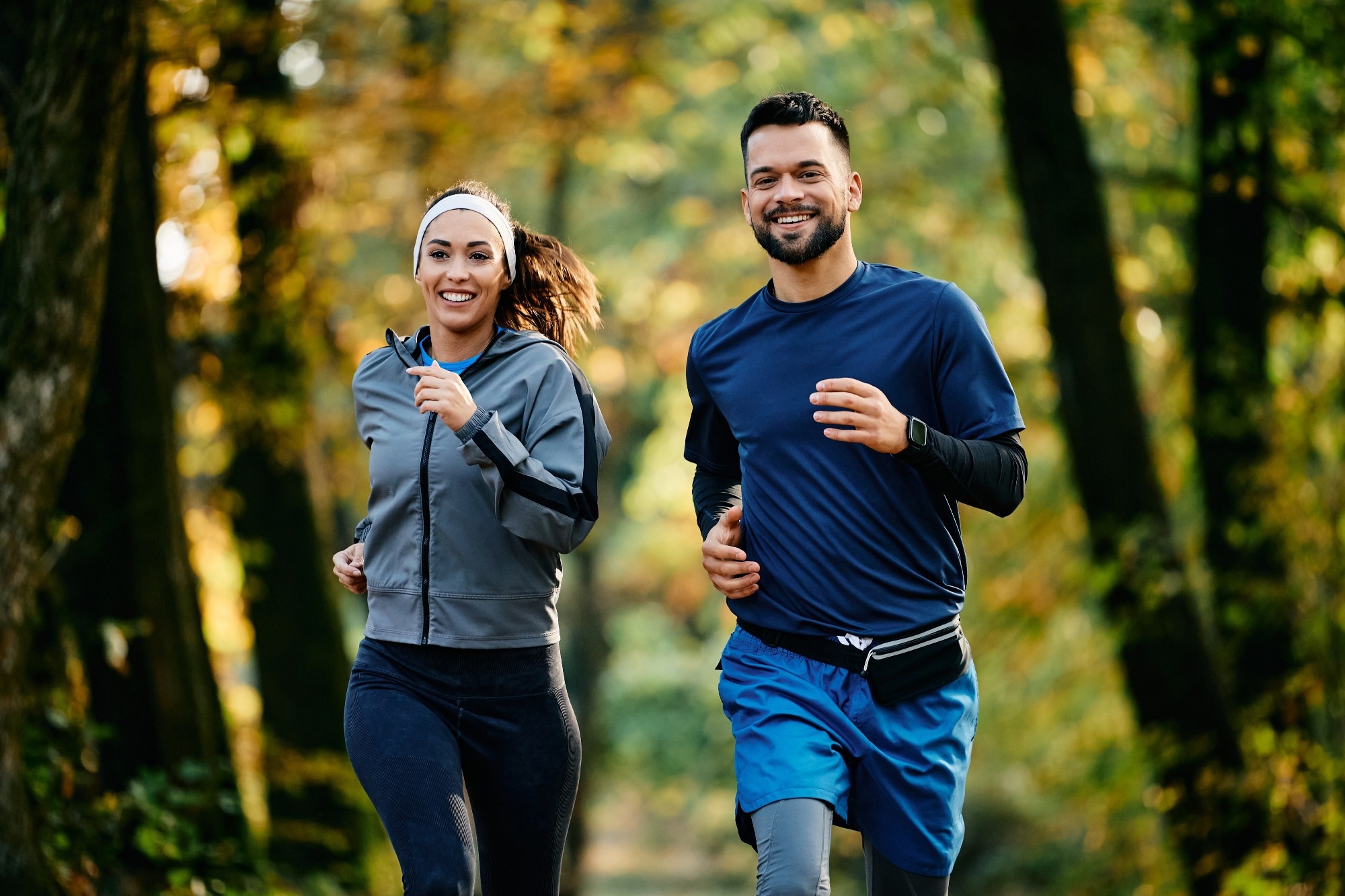 Study: Differential effects of caffeine, acute aerobic exercise, and placebo on mental fatigue. Image Credit: Drazen Zigic / Shutterstock.com
In a recent study published in PLoS One, researchers compared the effects of caffeine and aerobic exercise on mental fatigue in adults.
Can a short workout restore mental energy without caffeine?
Mental fatigue can disrupt cognitive processes, including decision-making, memory, attention, planning, and inhibitory control. Caffeine reliably alleviates mental fatigue by acting on the central nervous system (CNS) through adenosine receptor antagonism. Importantly, caffeine use may also result in dependence and side effects, thus emphasizing the need for alternative approaches to mitigate mental fatigue.
Acute aerobic exercise can improve cognitive function and ameliorate caffeine withdrawal symptoms; however, its effects on mental fatigue remain unclear. Recent studies suggest that brief aerobic exercise sessions may reduce mental fatigue. In contrast, longer moderate-to-high-intensity exercise of 45-60 minutes may contribute to mental fatigue and impaired executive function.
Previously, short and moderate-intensity exercise has been shown to improve subsequent inhibitory control without affecting mental fatigue resilience. Notable limitations of this study include the lack of a comparator, which warrants further investigations comparing the effects of aerobic exercise and other factors, such as caffeine intake, on fatigue.
Using cycling and cognitive testing to measure mental fatigue
In the current study, researchers evaluate the effects of caffeine, placebo, and acute aerobic exercise on mental fatigue among adults aged 18-30 years with a daily caffeine intake of 150-500 mg. Exclusion criteria included pregnancy, use of marijuana, tobacco, or other recreational drugs, color vision deficiency, contraindications to exercise, and those taking medications for chronic health conditions.
Throughout the study period, participants abstained from drugs, alcohol, intense physical activity, and caffeine before completing three experimental sessions. At the initial visit, study participants completed several questionnaires on their caffeine consumption habits, caffeine withdrawal symptoms, physical activity readiness, and leisure-time exercise. Visual analog fatigue and energy scales were used, along with heart rate (HR) and blood pressure measurements.
After completing a psychomotor vigilance task (PVT), participants were assigned to either the acute aerobic exercise, caffeine intake, or placebo group. The acute aerobic exercise group participated in 20 minutes of active cycling.
In the caffeine condition, an oral caffeine solution containing 2.5 mg/kg body weight was administered, followed by a 20-minute resting period. Comparatively, the placebo condition involved ingesting a color-matched cornstarch and water solution, followed by 20 minutes of rest.
After treatment, a Stroop task was administered to induce mental fatigue, followed by a second PVT. Subjective mental fatigue, BP, and HR were assessed at baseline and during treatment and fatigue induction.
Cognitive fatigue increases, despite exercise or caffeine use
Visual analog energy and fatigue scales reflected subjective mental fatigue, whereas PVT performance indicated objective mental fatigue. Questionnaires, PVT, physiological measures, and the Stroop task were assessed using repeated-measures analysis of variance. Data from the Stroop task and physiological measures were analyzed to determine whether participants exerted cognitive effort and physical effort, respectively.
The study recruited 26 participants, 14 of whom were female, with an average age of 23 years and caffeine intake of 331.9 mg/day. Physiological measurements, such as BP and HR, predictably increased in caffeine and exercise conditions, while remaining stable among placebo recipients.
The Stroop task results showed that all study participants experienced greater subjective mental fatigue, regardless of their treatment condition. Similarly, no significant differences were observed in either subjective or objective measures of mental fatigue.
The current study is associated with several limitations, including the lack of post-treatment measures of mental fatigue, as well as the absence of electroencephalogram (EEG) and HR variability assessments that could provide physiological insights. Mental fatigue was induced using only a 30-minute Stroop task; therefore, future studies using a wider range of cognitive tasks and durations should be conducted to identify the most effective approach.
Additional limitations include limited nutritional control, reliance on self-reported caffeine intake and sleep habits, as well as the potential impact of caffeine taste on participant bias. Furthermore, the study primarily included young, highly educated, and active adults, underscoring the need for additional studies in more diverse populations to ensure the generalizability of the results.
 Biological mechanisms validate structured exercise as therapeutic in oncology care