In obese pregnant rats, chia seed enrichment helped shift omega-3 metabolism, increasing DHA availability in maternal tissues, placenta, and fetal brain lipid profiles during a critical developmental window.
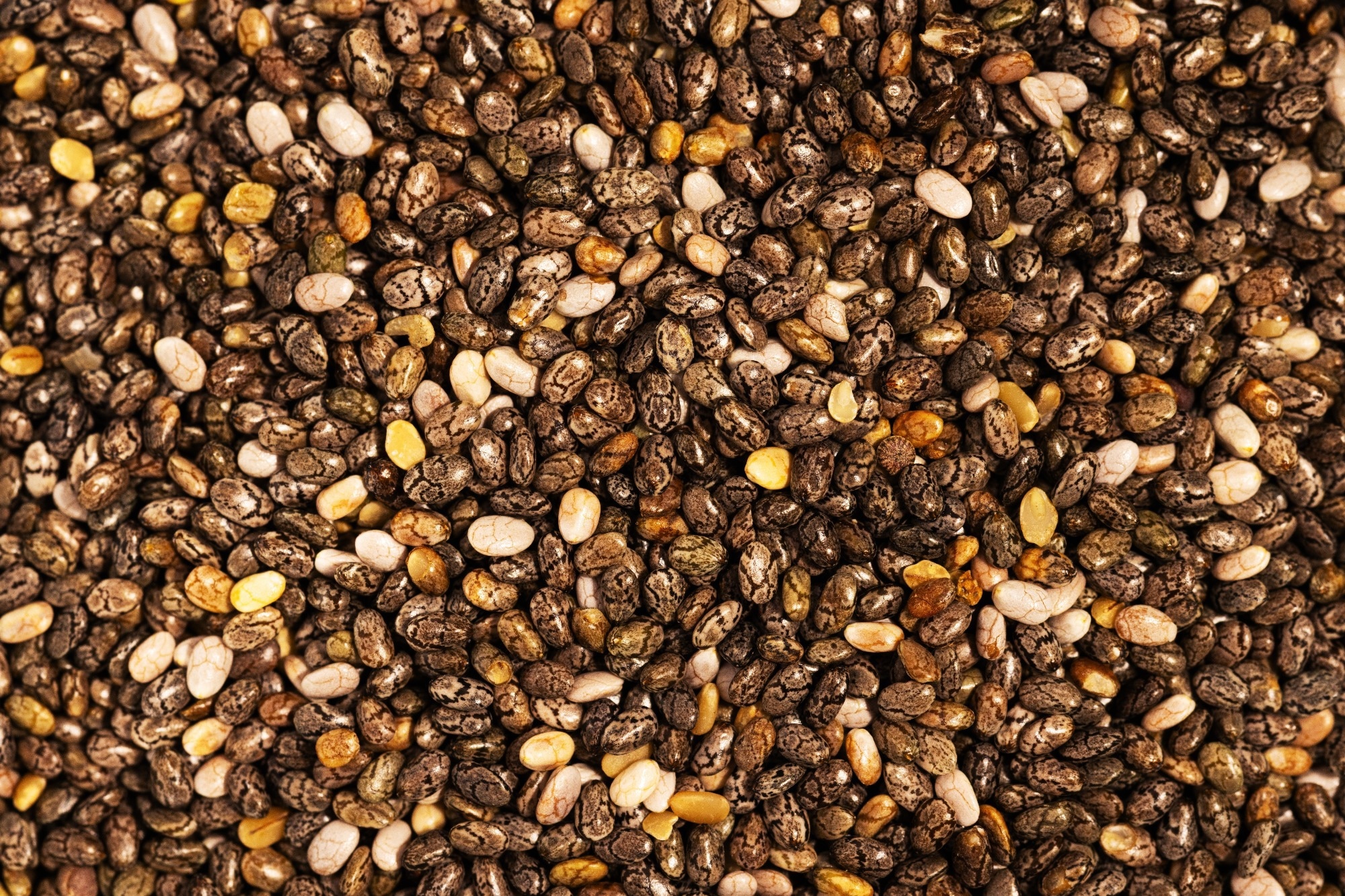
Study: Chia seed enrichment in high-fat-high-sugar diet-induced obesity: a strategy to increase DHA levels in maternal tissues and in fetal placenta and brain during pregnancy. Image Credit: Very Hungry Owl / Shutterstock
In a recent study published in the journal Prostaglandins, Leukotrienes and Essential Fatty Acids, a group of researchers examined whether adding chia seeds to a high-fat-high-sugar diet during pregnancy increases docosahexaenoic acid (DHA) availability in maternal tissues, the placenta, and the fetal brain in a rat model of diet-induced obesity.
Chia Seeds and Pregnancy DHA Background
Obesity during pregnancy has become a growing concern, with millions of women consuming Western-style diets rich in sugar and saturated fats but poor in healthy omega-3 fatty acids. This imbalance may disrupt fetal brain development and increase the likelihood of future metabolic or neurological issues in children.
DHA, an omega-3 long-chain polyunsaturated fatty acid, is important for maintaining normal placental function and aiding brain development during pregnancy. As concerns about contaminants, sustainability, and dietary preferences may limit reliance on marine DHA sources, demand for plant-based omega-3 fatty acids is growing.
Chia seeds are a plant-based source of alpha-linolenic acid (ALA), which the body converts to EPA and DHA. More research is needed to know how ALA from maternal sources supports fetal DHA during maternal obesity.
High-Fat Diet Pregnancy Study Design
Female Wistar rats were first fed a high-fat-high-sugar diet for six weeks to induce obesity before pregnancy. Once mated, the rats were separated into two groups depending on their diet for the duration of their pregnancy. One group did not change their diet throughout gestation, while the other group maintained the same diet plus whole chia seeds for extra ALA, a precursor to long-chain omega-3 fatty acids. The chia-enriched diet was substantially higher in ALA compared to the other group's diet. Animals were studied on gestational days 15 and 20, representing mid- and late-pregnancy stages linked to fetal brain development.
Maternal blood, adipose tissue, liver, placenta, and fetal brains were collected after euthanasia. The researchers measured maternal triglycerides, cholesterol, and leptin concentrations. Fatty acid composition in tissues was analyzed using gas chromatography and liquid chromatography coupled with mass spectrometry. In addition, gene expression analyses were conducted to determine the expression levels of enzymes involved in the metabolism of long-chain polyunsaturated fatty acids and in lipid transport to the fetus via the placenta. Western blotting was also used to assess FADS1 and FADS2 protein abundance in maternal liver tissue.
Statistical comparisons were conducted between dietary groups at each gestational stage to determine the metabolic effects of chia seed supplementation during obesity-associated pregnancy.
Maternal Omega-3 Metabolism Findings
Rats consuming the chia-supplemented diet ingested higher levels of ALA throughout pregnancy. Maternal body weight and organ weights remained unchanged, yet important metabolic improvements occurred. By late gestation, maternal blood triglyceride and cholesterol concentrations were significantly lower in the chia-fed group, suggesting improved lipid regulation despite continued exposure to a high-fat-high-sugar diet. Fetal body weight was modestly reduced at gestational day 20, while placental weight remained unchanged.
The most striking findings involved omega-3 fatty acid metabolism. Chia supplementation significantly elevated the levels of ALA, eicosapentaenoic acid, and DHA in maternal liver tissue collected during both mid and late gestation. At mid-gestation, liver DHA content was about 20% higher, and in late gestation, it was 40% higher. At the same time, several omega-6 fatty acids were reduced, although effects varied by tissue, gestational stage, and lipid species. These modifications suggested that the maternal liver actively handled and synthesized long-chain omega-3 fatty acids derived from plant ALA during gestation and fetal development.
Chia supplementation increased the omega-3 fatty acid content of maternal adipose tissue. Increased concentrations of DHA and eicosapentaenoic acid indicate that maternal tissue was storing beneficial fatty acids during pregnancy. Furthermore, the researchers observed greater incorporation of DHA into triglycerides and phosphatidylcholine molecules in blood plasma, two key carriers of fatty acid transport.
Placenta and Fetal Brain DHA Findings
Notable metabolic adaptations were evident in the placenta. Chia supplementation increased placental concentrations of ALA, eicosapentaenoic acid, and DHA during both gestational stages. The phospholipids became enriched in DHA-containing phosphatidylcholine and phosphatidylethanolamine species, which are important for membrane structure and lipid handling. Additionally, fatty acid transport genes were more prominently expressed, with emphasis on the major facilitator superfamily domain-containing protein 2A (MFSD2A), especially at the end of the gestation period. Overall, these placental changes suggested an increased capacity to handle and transfer long-chain omega-3 fatty acids, although transfer efficiency was not directly measured.
Importantly, fetal brain tissue also reflected these nutritional improvements. At mid-gestation, fetal brains from the chia-fed group contained higher levels of phospholipids enriched with ALA and DHA. However, these fetal brain lipid differences were not observed at gestational day 20. As DHA is a critical building block of neuronal membranes and brain development, these findings suggested that dietary chia seeds may enhance early brain lipid composition during critical developmental windows in this rat model.
Plant-Based DHA Pregnancy Implications
The findings demonstrated that adding chia seeds to a high-fat-high-sugar diet during pregnancy improved maternal omega-3 fatty acid metabolism and increased DHA availability to the placenta and fetal brain during mid-gestation. Maternal tissues also showed evidence of increased ALA synthesis and incorporation into beneficial long-chain omega-3 fatty acids, despite dietary stress associated with obesity.
The placenta's enhancement of lipid transport markers could improve the nutrition of the developing fetal brain during mid-gestation, a critical developmental window in the rat model. Therefore, these findings suggest that affordable plant-based foods, such as chia seeds, warrant further investigation as a potential strategy to improve maternal and fetal lipid profiles during obesity-associated pregnancy, although functional offspring outcomes and human relevance remain to be established.
Download your PDF copy by clicking here.
Journal reference:
- Dalix, G., Cloteau, C., Ouguerram, K., Castellano, B., Panheleux, A.-L., Grit, I., Winer, N., Boquien, C.-Y., & Ferchaud-Roucher, V. (2026). Chia seed enrichment in high-fat-high-sugar diet-induced obesity: A strategy to increase DHA levels in maternal tissues and in fetal placenta and brain during pregnancy. Prostaglandins, Leukotrienes and Essential Fatty Acids. 209. DOI: 10.1016/j.plefa.2026.102746 https://www.plefa.com/article/S0952-3278(26)00024-4/fulltext
 Obesity disrupts ILC2 metabolism through increased fatty acid uptake