Introduction
What is miracle berry?
How the miracle berry alters taste
Potential health benefits under investigation
Possible applications
Safety and limitations
Conclusions
References
Further reading
Miracle berry is a West African fruit containing miraculin, a glycoprotein that temporarily alters taste perception by making sour foods taste sweet. It shows promise in dietary applications and supportive care, though most health benefits remain supported primarily by preclinical evidence.
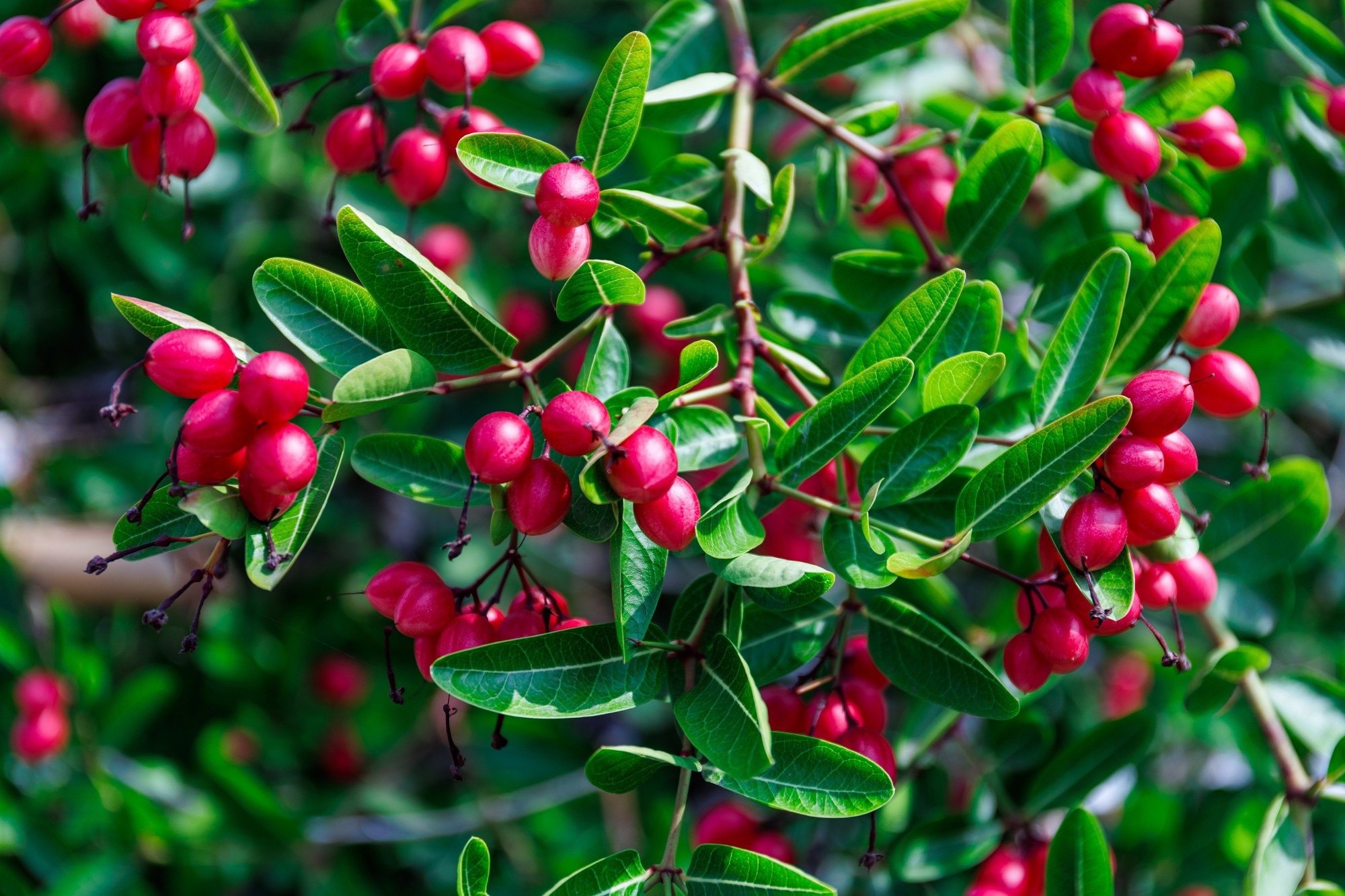 Image Credit: nutt / Shutterstock.com
Introduction
This article discusses the unique characteristics of miracle berries and explores their culinary uses for improving food preferences and reducing sugar consumption.
What is miracle berry?
Miracle berry is an evergreen shrub of the Sapotaceae family that grows throughout West Africa, particularly Ghana, Nigeria, Cameroon, and the Ivory Coast. In these regions, miracle berry has been widely used in traditional medicine to treat a range of health conditions, including cough and hyperthermia, as well as diabetes, malaria, and male infertility1. For these purposes, leaves are primarily employed, followed by the root, bark, stem, and fruit.
Miracle berries grow on small trees or shrubs, with each berry bright red in color and about the same size as a coffee bean. Each berry contains only one seed and has a thin layer of pulp around it. For centuries, local populations have used the fruit to enhance the taste of sour foods and beverages, such as fermented maize products and palm wine, by making them taste sweet.1
How the miracle berry alters taste
Miraculin, a glycoprotein found in the pulp of miracle berries, interacts with taste receptors on the tongue to modify the perception of acidic foods.1,2 It binds specifically to the human sweet taste receptor complex (T1R2–T1R3) and remains inactive at neutral pH.2 Mechanistically, miraculin binds to sweet taste receptors in a pH-dependent manner, inducing conformational change in both the receptor and bound protein.
When acidic foods or beverages are consumed, this interaction activates sweet taste signaling pathways, leading sour taste to be perceived as sweet without added sugar.2 This effect occurs because acidic conditions protonate the receptor–miraculin complex, converting miraculin from an antagonist into an agonist of the sweet receptor.2,3 As a result, miracle berry may be prepared with lemons, limes, vinegar, or sour candies to enhance product sweetness.1,2 The evidence for taste modification is strongest for acidic foods and beverages, whereas effects on sweet, salty, and bitter foods remain less well studied.2
The duration of this taste-modifying effect varies depending on several factors, including the amount of miraculin consumed, individual sensitivity, and oral conditions. Typically, the effect begins shortly after ingestion and can last from several minutes up to two hours, gradually diminishing as the protein dissociates from taste receptors.1,2 Reported durations range from about 30 minutes to up to 2 hours, depending on dose and conditions.1,2
The "miracle fruit" with amazing taste-modifying effects | Landline | ABC News
Potential health benefits under investigation
Miracle berries are rich sources of bioactive phytochemicals like flavonoids, phenolic acids, alkaloids, and triterpenoids, many of which are known for their biological activity and nutritional value.1 Quercetin, rutin, epicatechin, and anthocyanins present in miracle berries have shown antioxidant activity in phytochemical and preclinical studies, suggesting potential to help reduce oxidative stress rather than established proof of preventive health effects in humans.1
S. dulcificum plant could serve as an antioxidant-rich fruit capable of promoting health.1”
Preclinical studies suggest additional pharmacological properties, including antidiabetic, antihyperlipidemic, antioxidant, and potential anticancer activities; however, most evidence remains limited to in vitro or animal models.1,2
Claims that miracle berries directly improve insulin sensitivity, accelerate fat burning, or significantly lower blood glucose in humans remain insufficiently supported by robust clinical evidence.1,2
Anticancer effects have also been evaluated in preclinical models due to miracle berries' phytochemical profile. Specifically, S. dulcificum berry and stem extracts exhibit cytotoxic effects against colorectal cancer in vitro, characterized by increased expression of apoptotic genes c-fos and c-jun1; however, these findings are laboratory-based and do not demonstrate anticancer efficacy in humans.
More recent clinical interest has focused on its supportive role in cancer care, particularly in alleviating dysgeusia (taste distortion) and improving food intake rather than directly treating cancer.3
Clinical studies (n≈9) indicate that miracle berry supplementation may enhance sweet taste perception, improve caloric intake, and support nutritional status in patients undergoing chemotherapy, although larger trials are needed.3
Miracle berry extracts have been shown to reduce circulating cholesterol levels in rodent models, with these cholesterol-lowering effects attributed to triterpenoid activity. These findings are based on animal studies and have not been conclusively demonstrated in humans.1 Miracle berry seed oil has also been studied for its ability to improve hair breakage in women with damaged hair.
Possible applications
Sugar-reduction strategies have used miracle berries to support weight management by reducing caloric intake, particularly among individuals following low-sugar diets.2 Its ability to enhance perceived sweetness without added sugar has led to interest as a natural low-calorie sweetener alternative.2,3 Miracle berries have also been used to enhance the palatability of otherwise bitter fruits, vegetables, and fermented products to promote the consumption of phytochemical-rich foods with known health benefits.2
There is every reason to believe that the miracle fruit plant still has yet untapped benefits for man.1”
In clinical contexts, miracle berry has been explored as a supportive dietary tool for patients experiencing taste alterations, particularly those undergoing chemotherapy. Cancer treatments can affect taste receptors, leading to reduced appetite and poor nutritional intake. By enhancing sweetness and masking unpleasant tastes, miracle berry may improve food enjoyment and intake in these patients.3 This application targets symptom management rather than direct therapeutic effects on cancer.3
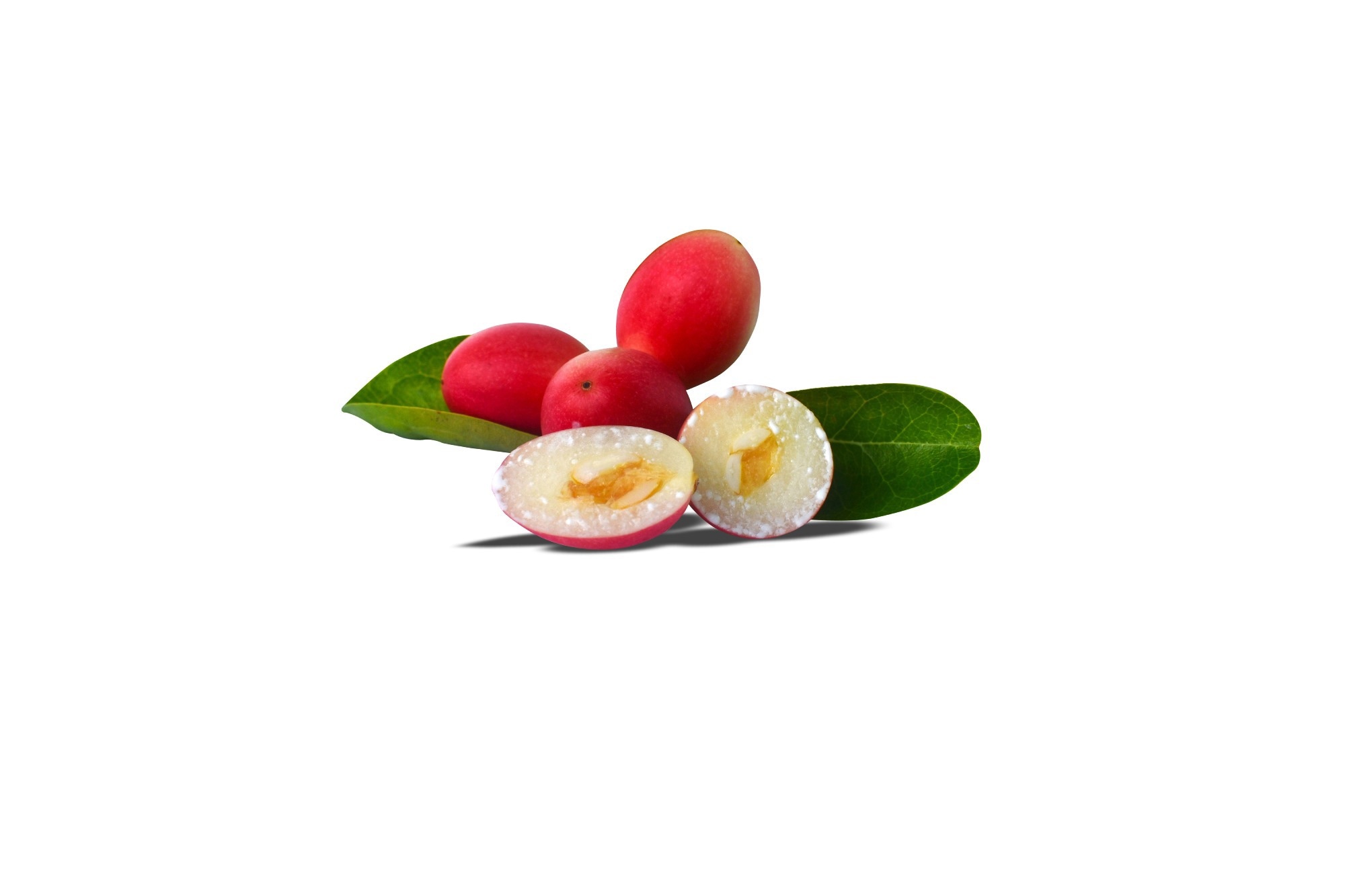 Image Credit: jon phanomphrai / Shutterstock.com
Safety and limitations
Available evidence suggests that miracle berry is generally considered safe when consumed in small amounts as part of the diet, with limited reports of toxicity or adverse effects. Preclinical studies confirm that miracle berry extracts are not toxic, even at high doses in animal models, suggesting their acute safety. Subacute administration up to 200 mg/kg in animal studies showed no significant toxicity.1
The long history of traditional consumption in West Africa further supports the general tolerability of miracle berries.1 Nevertheless, long-term data in humans remains limited, with most studies short-term or experimental, warranting caution for regular use, particularly in concentrated supplement forms.2,3 Thus, current safety conclusions are supported more strongly by traditional use and preclinical evidence than by extensive long-term human trials.1,2,3
Another important limitation is the variability in taste-modifying effects, as the intensity and duration of sweetness perception depend on the dose of miraculin, product form, and individual taste. These variations may affect the consistency and practical application of miracle berries in dietary or clinical settings.2,3
Conclusions
Miracle berry is an important source of nutrients and bioactive phytochemicals, some of which may offer beneficial antioxidant, metabolic, and anti-inflammatory effects. However, current evidence supports its strongest applications in taste modification and dietary support, while many therapeutic claims require further clinical validation. Miracle berries should be viewed as a promising but still emerging functional food with potential therapeutic value.
References
- Akinmoladun, A. C., Adetuyi, A. R., Komolafe, K., & Oguntibeju, O. O. (2020). Nutritional benefits, phytochemical constituents, ethnomedicinal uses, and biological properties of Miracle fruit plant (Synsepalum dulcificum Shumach. & Thonn. Daniell). Heliyon 6(12). DOI: 10.1016/j.heliyon.2020.e05837. https://www.cell.com/heliyon/fulltext/S2405-8440(20)32679-7
- Diyapaththugama, S., Mulaw, G. F., Ajaz, M., et al. (2024). Miracle fruit, a potential taste-modifier to improve food preferences: A review. Current Nutrition Reports 13(4); 867-883. DOI: 10.1007/s13668-024-00583-3. https://link.springer.com/article/10.1007/s13668-024-00583-3
- Kavalakatt, J., Tummala, A. R., Patel, S. K., et al. (2025). Miracle berry for management of cancer and cancer treatment-related adverse effects. Phytomedicine. DOI: 10.1016/j.phymed.2025.157685. https://www.sciencedirect.com/science/article/abs/pii/S0944711325013200
Further Reading
Last Updated: Mar 30, 2026
 Five diet patterns shaping health in older Americans