New real-world evidence suggests that staying on GLP-1 therapy may be critical for sustaining cardiovascular protection, while even short interruptions could diminish long-term benefits in people with type 2 diabetes.
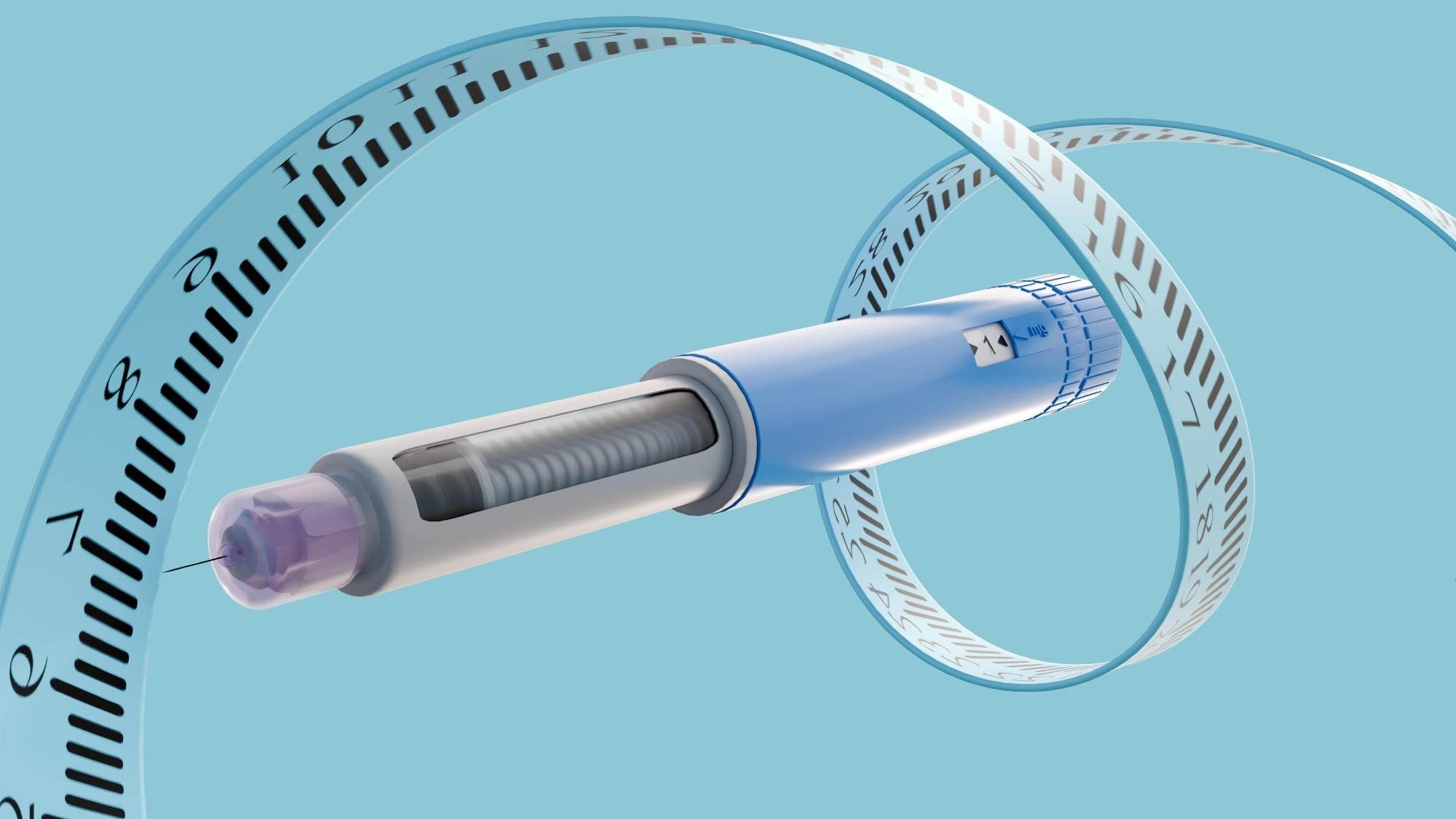
Study: Glucagon-like peptide 1 receptor agonist discontinuation and risks of major adverse cardiovascular events in adults with type 2 diabetes: target trial emulation. Image Credit: Love Employee / Shutterstock
In a recent study published in the journal BMJ Medicine, researchers conducted a target trial emulation to assess associations between different scenarios of glucagon-like peptide-1 receptor agonist (GLP-1RA) treatment and the risk of major adverse cardiovascular events (MACE).
GLP-1RA use is associated with health benefits, including weight loss and reduced MACE risk. This pleiotropic efficacy profile has increased GLP-1RA use, with 12% of adults in the United States (US) reporting ever use of GLP-1RAs. However, GLP-1RAs are also associated with substantial adverse events and out-of-pocket costs, which could contribute to their discontinuation.
Studies have found GLP-1RA discontinuation rates of 36%–81% in the first year of treatment. Notably, discontinuation is associated with weight regain and partial or complete reversal of improvements in cardiometabolic risk factors, including inflammatory markers, blood pressure, lipid profile, and blood glucose levels. However, little is known about the consequences of discontinuation on MACE risk.
Target Trial Emulation Using Real World Data
In the present study, researchers emulated a target trial assessing associations between different GLP-1RA treatment scenarios and MACE risk. The study used electronic health records from the US Department of Veterans Affairs (VA). VA users with type 2 diabetes (T2D) who used sulfonylureas or GLP-1RAs between 2017 and 2023 were identified, with follow-up extending until the outcome occurred, 3 years after treatment initiation, or 31 December 2024, whichever came first.
Participants were excluded if they used these drugs in the year before enrolment or had contraindications to them. Subjects were followed for three years or until the outcome occurred (or administrative censoring at the end of follow-up). After the start of GLP-1RA treatment, participants were deemed to have discontinued the drug if they did not receive a refill for ≥ 90 days after their prescription ended.
Individuals who stopped using GLP-1RAs were categorized into interruption and discontinuation groups; the interruption group resumed GLP-1RA use some time after cessation, while the discontinuation group never resumed. The researchers defined 16 GLP-1RA treatment scenarios for GLP-1RA users by semi-annually reassigning their treatment status, conditional on their current use status, thereby emulating dynamic treatment strategies over time.
Primary comparisons were made between each of these scenarios and sulfonylurea treatment. In secondary analyses within the GLP-1RA group, continued use was compared with the other scenarios. The primary outcome was MACE, a composite of myocardial infarction, stroke, and all-cause mortality. Marginal structural models were used to evaluate the association between GLP-1RAs and MACE risk, accounting for time-varying confounding using inverse probability weighting, although residual confounding cannot be fully excluded.
GLP-1RA Use Patterns and Discontinuation Rates
The study included 201,136 incident sulfonylurea users and 132,551 incident GLP-1RA users, with a median follow-up of three years. Among GLP-1RA users, 26.36% discontinued treatment during follow-up, while 22.68% experienced interruptions.
Continuous GLP-1RA Use Reduces MACE Risk
Incident use of GLP-1RAs was associated with a lower risk of MACE compared to incident use of sulfonylureas. The incidence risk ratio (IRR) was 0.82 for continuous GLP-1RA use, 0.88 for interrupted use, and 0.96 for discontinued use, relative to sulfonylurea use.
Longer duration of GLP-1RA use was associated with greater risk reduction. Individuals who used GLP-1RAs for 0.5, 1, and 1.5 years had IRRs close to 1.0, with no significant decrease in MACE risk at three years, although these estimates varied across specific treatment strategies defined by prior duration and subsequent exposure patterns.
By contrast, MACE risk was significantly lower among those who continued GLP-1RA use for 2 and 2.5 years, and lowest among those who maintained treatment for three years. Within the GLP-1RA group, discontinuing treatment for even 0.5 years was associated with a higher MACE risk compared to continued use.
Interruptions and Discontinuation Increase Cardiovascular Risk
Moreover, longer discontinuation was progressively associated with elevated MACE risk, with IRRs of 1.14 for one year of discontinuation and 1.22 for two years. Similarly, interrupted use was associated with increased MACE risk, with IRRs of 1.12 for one year and 1.16 for two years of interruption, with effect sizes differing modestly depending on prior treatment duration.
Implications for Treatment Persistence and Outcomes
Taken together, discontinuations and interruptions in GLP-1RA use were common in this cohort, particularly during the first year of treatment. Continuous GLP-1RA use for three years was associated with the greatest reduction in MACE risk compared with sulfonylureas, whereas interruptions and discontinuations were associated with a progressive attenuation of this protective effect, with risk estimates in some scenarios approaching those of the comparator group.
These findings highlight the potential importance of treatment persistence in maximizing the cardioprotective benefits of GLP-1RAs. However, as this was an observational target trial emulation conducted in a predominantly male Veterans Affairs population, the results support but do not establish causality and may have limited generalisability to broader populations, particularly women and non-veteran groups.
Journal reference:
- Xie Y, Choi T, Al-Aly Z (2026). Glucagon-like peptide 1 receptor agonist discontinuation and risks of major adverse cardiovascular events in adults with type 2 diabetes: target trial emulation. BMJ Medicine, 5(1), e002150. DOI: 10.1136/bmjmed-2025-002150, https://bmjmedicine.bmj.com/content/5/1/e002150
 Strength training shows no added arrhythmia risk in people with arrhythmogenic cardiomyopathy