Even after inflammation resolves, colonic stem cells can retain a hidden molecular memory that increases the likelihood of later tumour growth, offering a new mechanistic link between chronic inflammatory disease and cancer risk.
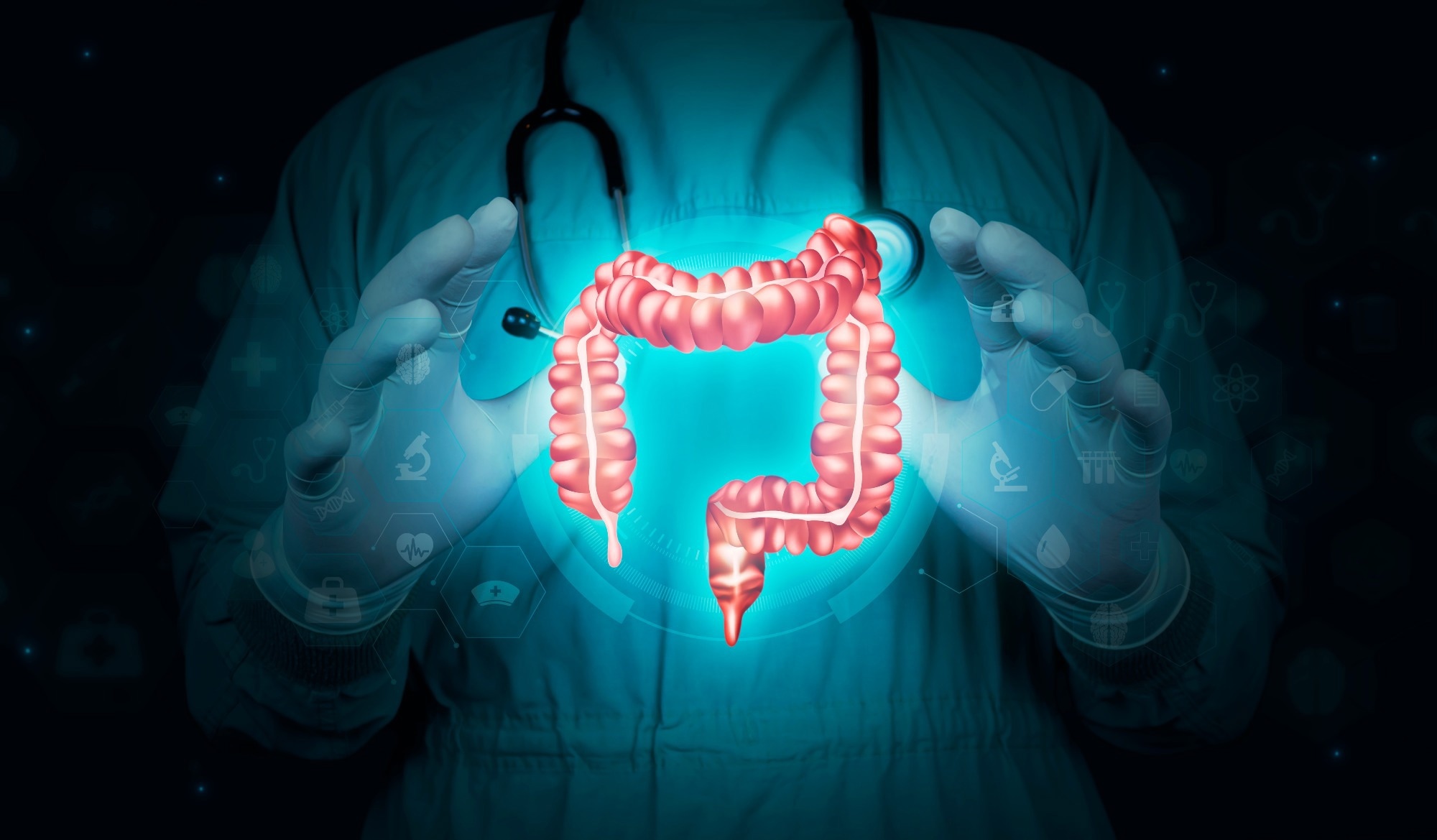
Study: Epigenetic memory of colitis promotes tumour growth. Image Credit: Antonio Marca / Shutterstock
In a recent study published in the journal Nature, researchers investigated the “epigenetic memory” (impacts and duration) of chronic colitis in mouse models of the inflammatory disease. The study employed high-resolution single-cell tracking of colonic stem cells and found that these cells retain an epigenetic memory of inflammation for more than 100 days after disease resolution in the mouse model.
The study further developed a novel SHARE-TRACE assay to investigate the mechanisms governing these observations. SHARE-TRACE findings revealed that this memory retention was driven by an upregulation of activator protein 1 (AP-1) transcription factor activity and corresponding increases in chromatin accessibility, which primes colonic stem cells for enhanced tumour outgrowth following oncogenic mutation.
Together, these findings help explain why patients with inflammatory bowel disease (IBD) have a higher colorectal cancer risk, even during periods of remission.
Chronic Colitis Links to CRC Development
Decades of clinical records have established that the duration and severity of ulcerative colitis are directly correlated with a patient’s risk of developing colorectal carcinoma (CRC). While a portion of this risk has been attributed to potential increases in spontaneous mutation rates that accompany colitis-driven inflammatory stress, researchers hypothesized that plastic (phenotypic and epigenomic) cell alterations might exacerbate CRC risk.
Emerging research suggests that colonic stem cells may be the cells of origin for CRC. Because these progenitors are long-lived and responsible for regenerating the entire epithelium every few days, they are now considered to be ideal candidates for storing a “memory” of past environmental stimuli. Unfortunately, molecular mechanisms governing these processes remain hitherto unknown.
Mouse Model and SHARE-TRACE Methods
The present study aimed to address this mechanistic knowledge gap by using murine models (Mus musculus strains 000664 and 0355169) of chronic colitis induced by repeated cycles of 1–1.5% Dextran Sodium Sulfate (DSS) exposure.
The study specifically analysed three chronic colitis states: acute injury (one DSS cycle), chronic injury (three cycles), and a recovery period (102 days). Investigative assays included:
- SHARE-TRACE: A novel, modified version of Simultaneous High-throughput ATAC and RNA Expression (SHARE-seq) that integrates clonal lineage tracing with transcriptomic and epigenomic profiling, thereby enabling single-cell profiling.
- scATAC-seq and scRNA-seq: Used to profile 52,540 single cells to identify cell-type-specific changes in gene expression and chromatin accessibility.
- seq2PRINT: A computational approach combining transcription factor (TF) footprinting with deep learning to discover DNA motifs and localize binding events de novo.
- AlphaFold3: Used to predict protein-to-DNA and protein-to-protein interactions between AP-1 and various co-binding factors.
- The experimental setup primarily involved 23 mice. Findings from these murine models were further supported using both mouse organoid cultures and human IBD-derived organoids from patients with diagnostically established inflammatory bowel disease.
AP-1 Chromatin Memory Drives Tumour Growth
Assay results revealed that, while the transcriptome largely returns to baseline following recovery, the epigenome retains a persistent scar (“memory”) for more than 100 days after recovery in the mouse model.
Stem cell characterization identified a cumulative gain in accessibility at AP-1 motif sites with a False Discovery Rate (FDR) of 1.27 × 10⁻³. However, a simultaneous loss of accessibility at CTCF sites was observed during chronic colitis and recovery (FDR = 8.79 × 10⁻³).
Memory persistence assays revealed that chromatin memory alterations remained detectable after 102 days (multiple generations of epithelial turnover). Notably, the investigated cells demonstrated high heterogeneity, with only a small subpopulation of stem cells (approximately 9.2% in recovered tissue vs. 1.6% in controls) exhibiting exceptionally high AP-1 accessibility (P = 1.44 × 10⁻¹⁵).
When analysing the impacts of these epigenetic alterations on CRC tumorigenesis, the study revealed that adenomas induced in colitis-recovered mice were significantly larger than those in naive controls, with individual microscopic tumors showing a growth advantage (P = 1.79 × 10⁻⁵) rather than a higher number of macroscopic tumours. Furthermore, colitis-induced changes in accessibility were negatively correlated with DNA methylation (ρ = -0.51), encompassing 4,397 concordant regions.
Consequently, treatment with the AP-1 inhibitor T-5224 during tumor initiation was confirmed to reduce median tumor size in recovered mice (~40%). Finally, the study identified that FOX transcription factors (e.g., FOXP1) stabilize AP-1 binding at memory sites as observed in in vitro assays, which showed that FOXP1 increased AP-1 binding by ~9-fold (P = 3.11 × 10⁻⁶).
Lasting IBD Memory May Shift Treatment
The present study provides a mechanistic underpinning for previously reported associations between colitis and CRC, revealing that chronic colitis-induced inflammation generates small subpopulations of epigenetically primed clonal fields in the colon. These “epigenetic alterations” do not necessarily change the cell's function under normal conditions but dramatically lower the threshold for malignant outgrowth once an oncogenic mutation occurs.
Notably, the persistence (100 days+) of these signatures suggests that future therapeutic strategies may need to address underlying chromatin remodeling rather than just active inflammation.
Furthermore, these findings raise the possibility that monitoring epigenetic memory signatures could eventually help track oncogenic risk in IBD patients before neoplastic lesions are visible.
 GLP-1 drugs may influence chronic pain through gut-brain and immune pathways