Even as GLP-1 medications transform obesity treatment, new research reveals a surprising reality: people may face stigma whether they lose weight, regain it, or never lose it at all.
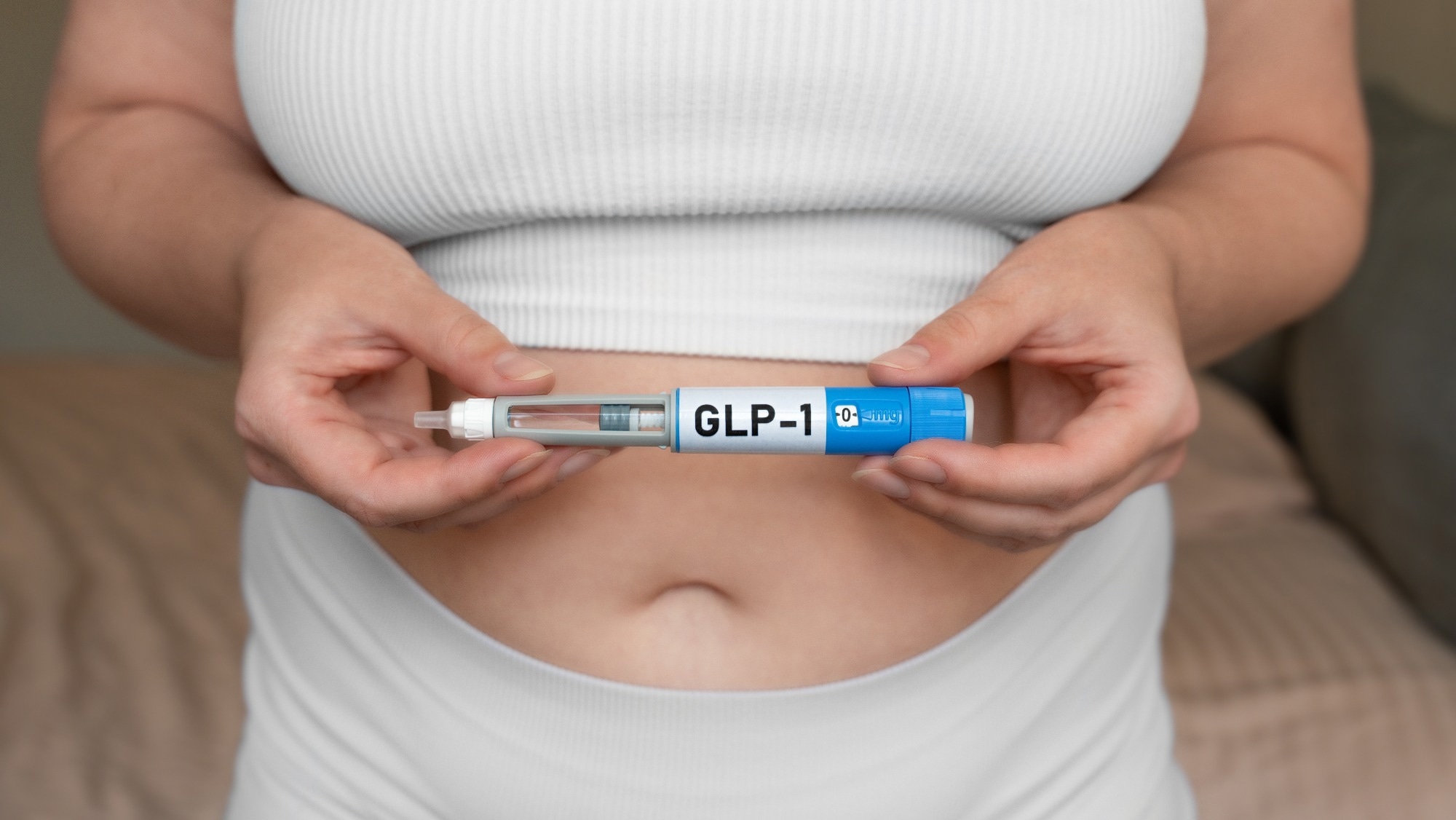 Study: An experimental investigation of the stigmatization of weight loss and regain from GLP-1 receptor agonist use and cessation. Image credit: KaterynaBorodina/Shutterstock.com
In a recent study published in the International Journal of Obesity, a group of researchers examined whether people experience stigma after losing or regaining weight following the use and discontinuation of glucagon-like peptide-1 receptor agonist (GLP-1RAs) medications.
Public attitudes toward GLP-1 weight loss remain divided
Weight loss medications such as GLP-1RAs have improved obesity treatment, with drugs like semaglutide and tirzepatide helping many individuals lose significant weight. Yet public opinion toward these medications remains divided.
Some people view medication-assisted weight loss as “taking the easy way out,” a narrative that has gained public traction, creating a new form of social judgment around obesity treatment. This is particularly relevant because many individuals will regain weight after stopping treatment due to high costs, side effects, or loss of insurance coverage. There are multiple studies suggesting that weight stigma can harm mental health, well-being, and utilization of healthcare.
Further research is needed to understand how medication-based weight stigma impacts long-term well-being.
Two randomized experiments test reactions to weight changes
The researchers conducted two randomized experimental studies using participants recruited through the online survey platform Prolific in the United States. Study 1 consisted of 607 adults, and Study 2 included a total of 706 adults. Participants were at least 18 years of age, spoke English fluently, and were not informed that the study specifically concerned weight, dieting, or GLP-1 medications prior to participation.
In both studies, participants read descriptions about a fictional 38-year-old individual who had experienced obesity since puberty. The target’s gender was intentionally unspecified to reduce gender-related bias.
In Study 1, participants were assigned to read about an individual who had lost weight using GLP-1RAs medication, an individual who had lost weight through diet and exercise, or an individual who had not lost weight and had maintained a higher weight. In Study 2, participants' reactions were measured toward an individual who regained weight after stopping either a GLP-1RA medication or a diet and exercise program. Additional groups included a person who maintained weight loss and another who had never lost weight.
Participants rated the targets on various positive and negative personality traits, a single-item measure of perceived health (“unhealthy”), and willingness to interact socially. Measurements of explicit weight bias, internalized weight bias, and perceptions of socio-economic status were also taken into account. A one-way analysis of variance (ANOVA) with follow-up comparisons was used for statistical analysis.
GLP-1 weight loss linked to more negative judgments
The findings showed that social stigma surrounded both the use of GLP-1RAs for weight loss and the experience of regaining weight after stopping treatment. In Study 1, participants judged the person who lost weight using GLP-1RAs more negatively than the person who lost weight through diet and exercise. Using medicines to lose weight was viewed as less disciplined, less positive, and rated as more “unhealthy” on this measure. Participants were also less likely to socialize with the person compared to the diet-and-exercise target.
One particularly surprising finding was that the GLP-1RA user was judged less positively, and, in some cases, less favorably in terms of social desirability than the person who remained at a higher weight without attempting weight loss.
Participants rated the untreated higher-weight target as having more positive traits than the medication-assisted weight loss target, although differences were not observed across all negative or health-related measures. This finding ran counter to the researchers’ initial expectations that individuals at a higher weight would be most stigmatized, and suggests that medication-assisted weight loss may be perceived by some as socially undesirable or morally questionable, despite its medical effectiveness.
In Study 2, participants viewed the person who regained weight after stopping the GLP-1RA medication similarly on most measures to the individual who regained weight after stopping diet and exercise. Both were given lower ratings than the individual who successfully maintained their weight loss. The individuals who maintained their weight loss were rated as healthier, more disciplined, and more socially desirable than those who regained weight after stopping any weight-loss treatment.
The results also showed that participants were less willing to associate with the individual who regained weight after stopping medication compared to the person who maintained weight loss. In some cases, individuals who regained weight were also rated less positively than those who had never lost weight, highlighting the persistence of stigma.
Interestingly, the method used before weight regain did not significantly change stigma levels. Whether the person regained weight after medication use or after behavioral weight loss, participants responded similarly.
Researchers also examined whether people would assume that someone taking GLP-1RA had a higher socio-economic status because of the medications’ high costs. The researchers found no significant difference in the perceived socio-economic status of individuals taking the medications compared to the diet-and-exercise groups.
Individuals who were more explicitly biased against overweight individuals, individuals with a low level of empathy for overweight individuals, and who believed that people are completely responsible for their own weight showed some tendency in one study to judge GLP-1RA users more harshly, although these effects were modest and not consistently observed across both studies.
Individuals face bias regardless of treatment or outcome
The study showed that individuals may face stigma throughout the entire cycle of weight loss and regain associated with GLP-1RAs use. People who lost weight using medication were often judged more negatively than those who lost weight through lifestyle changes, and individuals who regained weight after stopping treatment also experienced social bias.
The findings suggest a “no-win” situation in which individuals may face stigma whether they lose weight with medication, regain it, or remain at a higher weight. These findings highlight how obesity stigma can persist even when people pursue medically approved treatments. The results are especially important as GLP-1RAs become increasingly common worldwide.
The researchers emphasized the need for public education, healthcare provider training, and the implementation of stigma-reduction programs that would be supportive of people seeking treatment for obesity.
Download your PDF copy by clicking here.
Journal reference:
-
Standen, E. C., Phelan, S. M., & Tomiyama, A. J. (2026). An experimental investigation of the stigmatization of weight loss and regain from GLP-1 receptor agonist use and cessation. International Journal of Obesity. DOI: 10.1038/s41366-026-02061-y. https://www.nature.com/articles/s41366-026-02061-y
 Less is more: Exercise rivals common pain meds