A new AI framework called MOZAIC could help doctors match fecal transplant donors and recipients more precisely, boosting treatment success by predicting how gut microbiomes will converge after therapy.
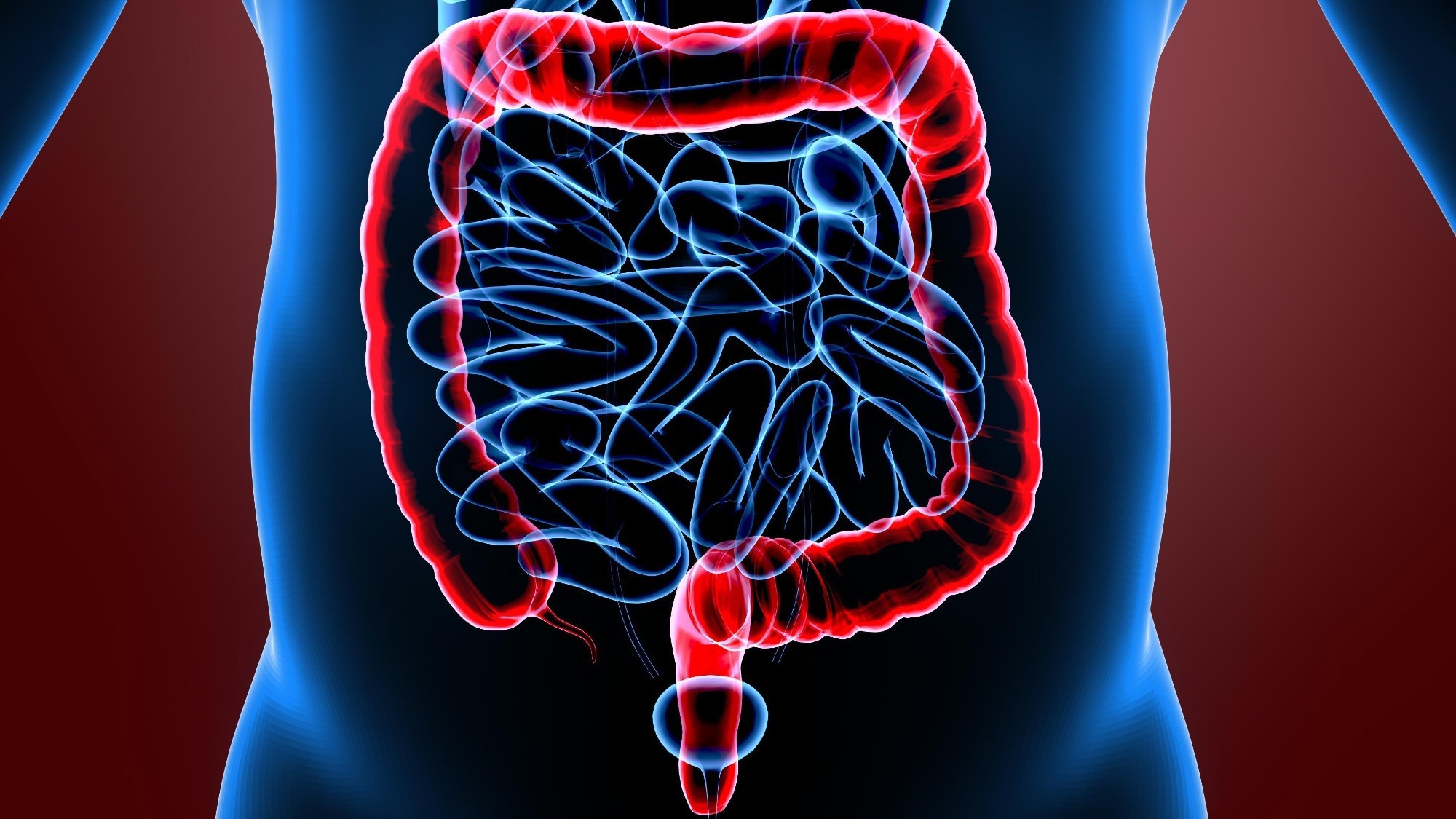 Study: Artificial intelligence-driven donor-recipient gut microbiome matching for optimized fecal microbiota transplantation. Image credit: Life science/Shutterstock.com
A recent Cell Reports study investigated whether AI-powered donor-recipient gut microbiome matching with the MOZAIC framework could improve clinical efficacy of fecal microbiota transplantation (FMT) by optimizing post-FMT microbiome convergence and predicting patient outcomes.
Challenges and determinants of FMT efficacy
Fecal microbiota transplantation (FMT) is an established therapy for recurrent Clostridioides difficile infection (CDI) and is being evaluated for additional gastrointestinal and metabolic disorders. FMT restores gut microbial diversity and metabolic function, effectively reversing dysbiosis and supporting gut homeostasis.
Despite its efficacy, FMT outcomes vary among recipients. While most optimization has focused on donor selection, recipient-specific factors are increasingly recognized as major determinants of engraftment and therapeutic response. Differences in outcomes among recipients transplanted from the same donor highlight the importance of incorporating recipient resilience into FMT strategies.
Donor-recipient microbial interplay critically determines FMT outcomes, yet current computational models lack the capacity to fully capture the complex, multi-dimensional microbial dynamics and inter-individual response variability. Applications of machine learning (ML) have attempted to predict post-FMT recipient microbiome profiles and clinical responses, but model limitations hinder comprehensive integration of bidirectional donor-recipient interactions. Enhanced computational frameworks are needed to achieve precise donor-recipient matching and improve FMT efficacy.
Multidimensional FMT assessment using MOZAIC
The current study systematically analyzed 515 FMT events sourced from 30 diverse datasets, comprising 24 public and 6 in-house datasets, spanning 3 healthy volunteers and 12 disease indications. Among these, 94 metagenomes from 44 FMTs were newly collected in-house.
Researchers conducted extensive taxonomic profiling of bacterial, fungal, viral, and archaeal communities, as well as functional analyses of metabolic pathways and gene families.
Advanced bioinformatics pipelines were used to interpret metagenomic data, ensuring a multidimensional view of the gut microbiome before and after FMT. The analysis accounted for confounding variables, specifically adjusting for disease type, patient age, sex, and any prior antibiotic treatments.
Given the heterogeneity and complexity in microbial shifts observed across different diseases and patient backgrounds, the study developed MOZAIC, an advanced deep learning framework specifically tailored for FMT donor-recipient matching. Unlike conventional approaches that rely on simple ecological metrics or isolated features, MOZAIC processes the full breadth of taxonomic and functional data from both donor and recipient.
Its architecture comprises five densely interconnected neural computational blocks, each designed to extract and process compositional data, such as microbial species and pathway abundances, and functional gene family information in parallel. Downstream layers of the network then integrate these features to identify latent patterns of compatibility and complementarity unique to each donor-recipient pair.
The model incorporates advanced ML strategies, including regularization, dropout, and dynamic learning rate adjustment, to ensure robust and generalizable predictions. By using this sophisticated design, MOZAIC can more accurately predict which donor-recipient pairs will achieve microbiome convergence after FMT, an outcome closely linked to clinical success, outperforming traditional machine learning models in predictive performance.
However, the authors noted that MOZAIC remains a relatively “black box” deep learning system whose decision-making processes are not yet easily interpretable in terms of specific microbial taxa or pathways.
Microbiome convergence and predictive modeling shape FMT outcomes
Recipients who improved clinically after FMT showed a pronounced shift in their microbiome toward donor-like profiles, especially in bacterial composition and metabolic functions. Non-responders, however, exhibited minimal convergence, retaining distinct microbiome features. Thus, FMT success is strongly linked to the recipient’s microbiome becoming more similar to the donor’s, both taxonomically and functionally.
A greater ecological distance between recipient and donor microbiomes increased the likelihood of post-FMT convergence. This wider gap may create more opportunities for donor-derived microbes to establish themselves.
Notably, donor microbiome diversity did not predict the success of convergence. Instead, recipients with lower baseline microbial diversity, reflecting a more dysbiotic or less resilient gut environment, were more susceptible to colonization and restructuring by donor microbes. However, this association weakened after adjustment for disease type and other confounding variables. The effect was strongest in CDI, ulcerative colitis, and irritable bowel syndrome cohorts.
These findings highlight the importance of recipient baseline ecology and donor-recipient complementarity in successful microbiome integration after FMT.
Traditional ML models based on standard ecological metrics achieved only moderate accuracy in predicting post-FMT convergence, indicating these measures do not fully capture complex donor-recipient dynamics or highly heterogeneous, disease-specific microbial shifting patterns. In contrast, MOZAIC consistently outperformed conventional models, achieving an average area under the curve (AUC) of approximately 0.88 for predicting microbiome convergence, with accuracy and recall rates exceeding 0.80.
In retrospective analyses of the independent test dataset, MOZAIC’s donor-recipient matching predictions achieved 78.7 % accuracy in predicting clinical outcomes. Its robust performance persisted even when definitions of microbiome convergence were varied, highlighting its adaptability.
Feature analysis showed that integrating both donor and recipient microbiome data was essential for optimal prediction, as models using only one source were much less effective. These findings emphasize the need to account for the multidimensional interactions between donor and recipient microbiomes to accurately predict FMT outcomes.
Retrospective simulated clinical utility analyses indicated that applying MOZAIC to donor-recipient matching could increase FMT success rates by 1.44-fold relative to baseline. This improvement in efficacy persisted even after excluding cases with inherently high response rates, such as those involving CDI. These findings underscore MOZAIC’s potential to significantly optimize clinical outcomes across a broad spectrum of diseases and patient populations by systematically identifying the most compatible donor-recipient pairs.
AI-guided microbiome matching advances precision FMT strategies
The current study demonstrated that FMT success depends on donor-recipient compatibility, as measured by AI analysis of microbiome features. MOZAIC helps optimize donor selection and addresses a key barrier in microbiota therapeutics. By linking microbiome convergence to clinical outcomes, this work guides precision engineering of gut ecosystems.
Next steps include testing MOZAIC in clinical trials and clarifying how its predictions work to better connect microbial ecology and personalized medicine. The authors also emphasized that the findings are based on retrospective analyses and that prospective validation and improved interpretability of the AI framework will be necessary before routine clinical implementation.
Download your PDF copy by clicking here.
 MIT researchers build cell collection device for early cancer detection