Viral RNA and antibodies found in Dutch foxes, martens, a badger, and a weasel reveal widespread spillover while leaving the carnivores’ role in transmission unresolved.
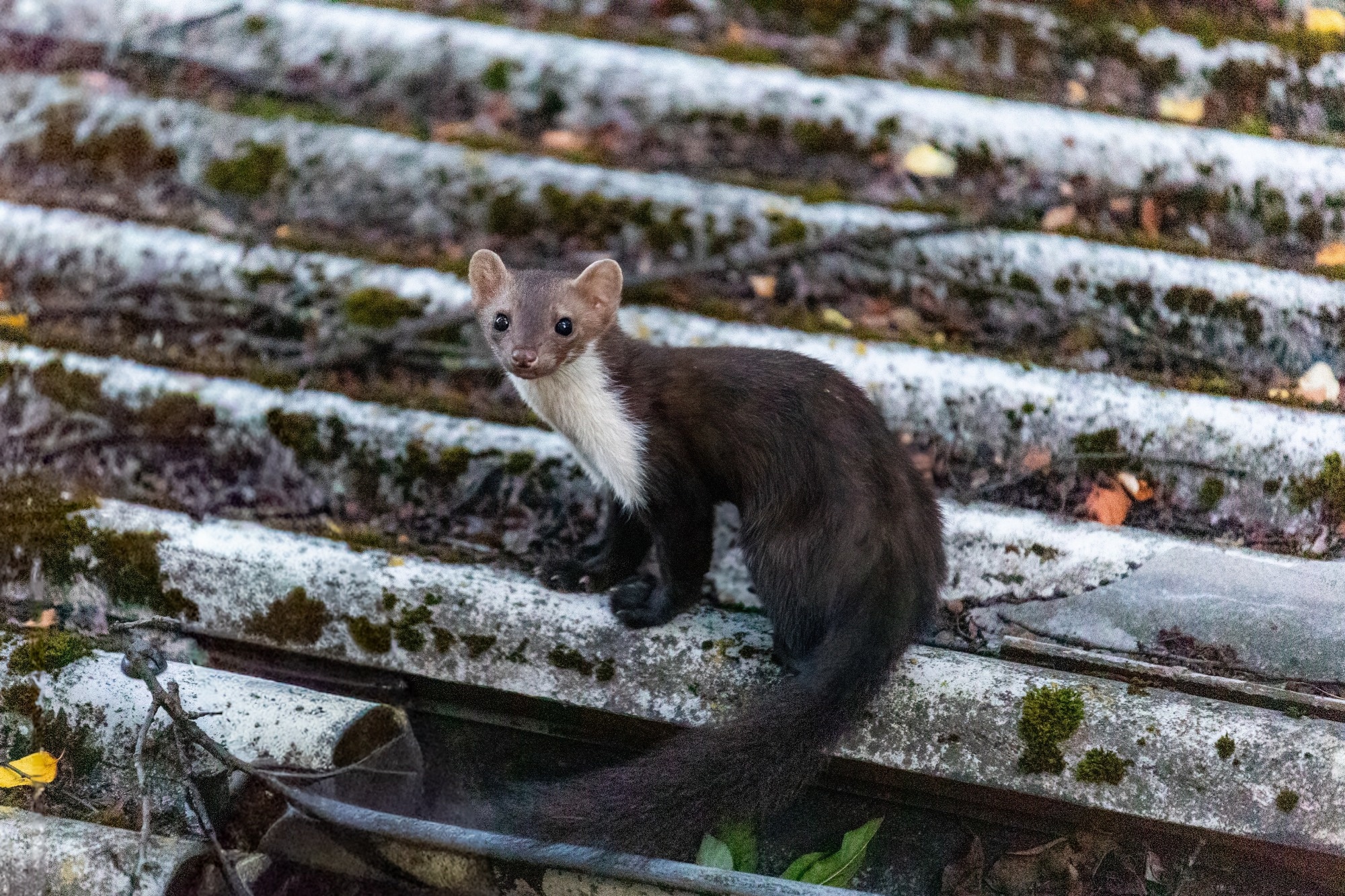
Study: Wild carnivores in the Netherlands show molecular and serological evidence of West Nile virus and Usutu virus infection. Image Credit: Werner Rebel / Shutterstock
In a recent article in press in the journal npj Viruses, researchers evaluated the molecular and serological evidence of West Nile virus (WNV) and Usutu virus (USUV) exposure in free-ranging wild carnivores across the Netherlands.
Background
Every year, mosquito-borne viruses circulate among wildlife, creating opportunities for infections to spread across different animal species. WNV and USUV mainly infect birds, which are the main reservoirs and amplifying hosts of the viruses, whereas mosquitoes transmit them between hosts.
Humans and most mammals are generally considered dead-end hosts because they do not develop sufficient viral levels to sustain transmission. Nevertheless, studies have shown evidence for the presence of the viruses or antibodies in several species of wild mammals, indicating that these species are exposed and may have roles in the ecology of the viruses.
About the Study
In the Netherlands, researchers examined specimens from wild carnivores between 2020 and 2023. Animals submitted to the Dutch Wildlife Health Centre after death underwent necropsy, and samples were obtained from species belonging to the Canidae, Mustelidae, and Procyonidae families.
Researchers collected and stored blood, tissue, swab, and fecal samples under appropriate laboratory conditions before analysis. These samples came from animals found dead, euthanized, animals that died at rehabilitation centers, or apparently healthy stone martens culled as part of a ground-breeding bird conservation program.
Total nucleic acid was extracted and analyzed using reverse transcription polymerase chain reaction (RT-PCR) to detect WNV and USUV ribonucleic acid (RNA). They performed whole-genome sequencing followed by phylogenetic analysis on selected positive samples to identify the virus strains and their phylogenetic relationships.
Whole blood samples were screened for antibodies using a protein microarray, and reactive samples with sufficient remaining volume were subsequently tested using a 90% Focus Reduction Neutralization Test (FRNT90) to identify virus-specific neutralizing antibodies.
Molecular and serological findings were summarized descriptively, and proportions of positive samples with 95% confidence intervals were calculated using the Wilson score method.
Study Results
The researchers examined 818 wild carnivores from the Netherlands between 2020 and 2023 for the presence of WNV and USUV. Samples represented multiple species, with stone martens accounting for most of the animals tested. The researchers analyzed oropharyngeal and rectal swabs, lung, brain, and fecal samples for viral RNA, and whole-blood samples from 413 animals for antibodies.
Molecular testing detected USUV RNA in nine of the 818 animals tested. Positive animals included one weasel, one Eurasian badger, one red fox, and six stone martens sampled between 2020 and 2022, but no sample tested positive for WNV RNA.
Among the USUV RNA-positive animals, viral RNA was detected primarily in oropharyngeal and rectal swabs, with fewer positive findings in lung, brain, and fecal samples. None of the carnivores sampled during 2023 showed molecular evidence of either virus.
Several USUV RNA detections occurred during winter or early spring, raising the possibility of exposure through predation or scavenging when mosquito activity was low, although the study did not test this route of transmission.
Amplicon-based sequencing generated partial USUV genomic sequences from the Eurasian badger and red fox, together with a partial NS5 sequence from the weasel. Phylogenetic analysis classified the badger virus within the Europe 3 lineage, whereas viruses detected in the weasel and red fox belonged to the Africa 3 lineage. These sequences clustered closely with viral sequences previously detected in birds and mosquitoes in the Netherlands, consistent with localized spillover into carnivores from established bird-mosquito transmission cycles.
Serological tests identified more instances of virus exposure than molecular tests. All 413 whole-blood samples were first screened using the protein microarray, and 53 were reactive for antibodies binding WNV NS1, USUV NS1, or both antigens.
Of these reactive samples, 20 had insufficient volume for FRNT90 testing, leaving 33 available for confirmatory testing, which identified neutralizing antibodies in 25 animals. Neutralizing antibodies against USUV were detected in six carnivores, whereas eight animals carried neutralizing antibodies against WNV.
These antibodies were identified exclusively in red foxes and stone martens. An additional 11 samples contained flavivirus-neutralizing antibodies that could not be definitively distinguished as either WNV or USUV because antibody titers differed by less than 4-fold or the sample volume was insufficient for complete testing.
Antibodies to one or both viruses were detected across multiple Dutch provinces, with USUV antibodies identified from 2020 through 2022 and WNV antibodies detected between 2021 and 2023.
Conclusion
The findings showed that free-ranging wild carnivores in the Netherlands are exposed to both WNV and USUV, with USUV RNA detected in multiple species and serological testing identifying exposure to both viruses in red foxes and stone martens. The partial viral sequences were closely related to strains previously discovered in Dutch birds and mosquitoes, consistent with localized spillover from viruses circulating within established bird-mosquito cycles.
Because the study did not measure viremia, isolate viable virus, or assess whether the animals could infect mosquitoes, it could not determine whether carnivores contribute to viral transmission, maintenance, or overwintering. Nevertheless, widespread species such as red foxes and stone martens may provide supplementary sentinel information for monitoring arbovirus activity.
Further research is needed to clarify how wild mammals contribute to the ecology and transmission dynamics of these viruses.
Journal reference:
- Atama, N. C., Holicki, C. M., Münger, E., van der Linden, A., Agliani, G., Chandler, F. D., Chestakova, I. V., Lizarazo-Forero, E., Dekker, J. J. A., Jonge Poerink, B., Wagensveld, R., Oude Munnink, B. B., Koopmans, M. G., van den Brand, J. M. A., & Sikkema, R. S. (2026). Wild carnivores in the Netherlands show molecular and serological evidence of West Nile virus and Usutu virus infection. npj Viruses. DOI: 10.1038/s44298-026-00211-7, https://www.nature.com/articles/s44298-026-00211-7
 Measles outbreaks may reveal more than gaps in vaccination