Could everyday foods like yogurt and chocolate quietly shape how long we live? A sweeping global analysis reveals which fermented foods may be linked to longer life and lower disease risk.
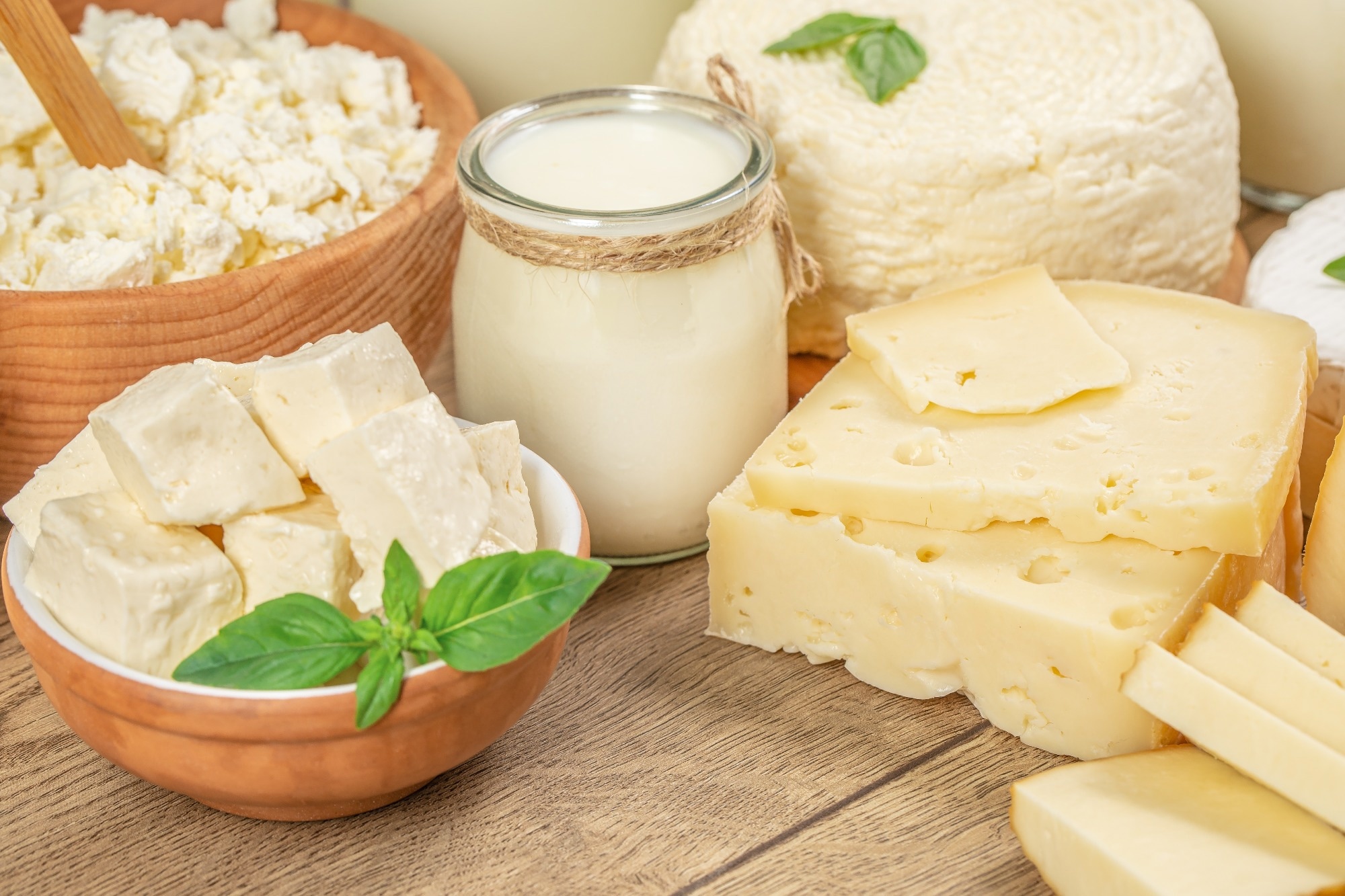
Study: Fermented foods consumption, all-cause, and cause-specific mortality: a meta-analysis of prospective cohort studies. Image Credit: sweet marshmallow / Shutterstock
In a recent study published in the journal Frontiers in Nutrition, researchers evaluated whether consuming fermented foods is associated with reduced all-cause and cause-specific mortality in healthy adults.
Health Benefits and Research Gaps in Fermented Foods
What if everyday foods like yogurt, cheese, or even chocolate could influence how long we live? Fermented foods are a major component of global diets and contribute up to 27% of daily caloric intake in some populations. These foods provide bioactive compounds, microbial metabolites, and probiotic microorganisms that support gut health and immune function and may help reduce the risk of chronic diseases.
However, existing research has produced conflicting evidence regarding the effects of fermented foods on cardiovascular disease and cancer. Much of the available evidence focuses primarily on fermented dairy products, highlighting the need for broader analyses that include diverse food types and populations.
Meta-Analysis Methods and Study Selection Criteria
The study followed Meta-Analyses of Observational Studies in Epidemiology (MOOSE) and Preferred Reporting Items for Systematic Reviews and Meta-Analyses (PRISMA) 2020 guidelines. A systematic literature search was conducted using PubMed, Scopus, and Cochrane databases to identify prospective cohort studies on fermented food consumption and mortality outcomes.
The search initially included studies up to March 2023 and was later updated to March 2025. Outcomes of interest included all-cause mortality, cardiovascular disease, and cancer-related mortality.
Eligible studies included healthy adult populations and excluded those involving pre-existing disease, pregnancy, infancy, or interventions with probiotics or fermented alcoholic beverages. A structured selection process using the Population, Intervention, Outcome (PIO) framework ensured consistency. Extracted data included participant characteristics, mortality counts, follow-up duration, and dietary exposure levels.
Study quality was assessed using the Newcastle-Ottawa Scale (NOS). A random-effects meta-analysis using log-transformed estimates accounted for heterogeneity. Effect sizes were reported as risk ratios (RRs) derived from hazard ratios (HRs) or relative risks, comparing high- and low-intake groups. Sensitivity analyses, heterogeneity testing, and publication bias assessments were also performed.
Fermented Food Consumption and Mortality Outcomes
The meta-analysis included 50 prospective cohort studies with more than three million participants. Results showed that some fermented foods were associated with reduced mortality risk, while others showed no significant association.
Fermented dairy products, including yogurt, were strongly associated with reduced mortality. Higher intake was associated with approximately a 6% lower risk of all-cause mortality. Daily consumption was also associated with reduced cardiovascular mortality (RR = 0.932) and cancer mortality (RR = 0.940). These associations may be mediated by mechanisms such as modulation of the gut microbiota, anti-inflammatory effects, and improved metabolic health.
Yogurt consumption was associated with reduced all-cause mortality (RR = 0.933), although associations with cardiovascular and cancer mortality were not statistically significant.
Cheese intake showed a modest reduction in all-cause mortality (RR = 0.970), but no significant associations with cardiovascular or overall cancer mortality. A potential protective effect was observed for lung cancer mortality.
Chocolate consumption was associated with reduced all-cause mortality (RR = 0.901) and cardiovascular mortality (RR = 0.843). These effects may be linked to cocoa polyphenols, which can improve vascular function and reduce oxidative stress, although residual confounding cannot be excluded.
In contrast, miso consumption did not show consistent associations with all-cause mortality. A reported protective effect in women from a single study was limited and may reflect population-specific factors. Overall, no strong associations were found between miso or bread consumption and any outcome.
Results were consistent across sensitivity analyses, although heterogeneity was observed due to differences in population characteristics, dietary patterns, and study design. While most analyses did not indicate significant publication bias, some subgroup analyses suggested potential bias, warranting cautious interpretation.
Conclusions on Fermented Foods and Longevity
This meta-analysis suggests that higher consumption of certain fermented foods - particularly fermented milk, yogurt, cheese, and chocolate - is associated with reduced all-cause and cardiovascular mortality. Fermented milk also showed associations with reduced cancer mortality.
However, these findings are based on observational data and do not establish causality. The results also highlight that not all fermented foods provide equal benefits, emphasizing the importance of food type, composition, and fermentation processes.
 Coffee after colorectal cancer? Decaf and caffeine show different links with mortality