A major review challenges thyroid diet myths and shows how nutrient-rich, evidence-based eating patterns may better support thyroid function than trendy food restrictions.
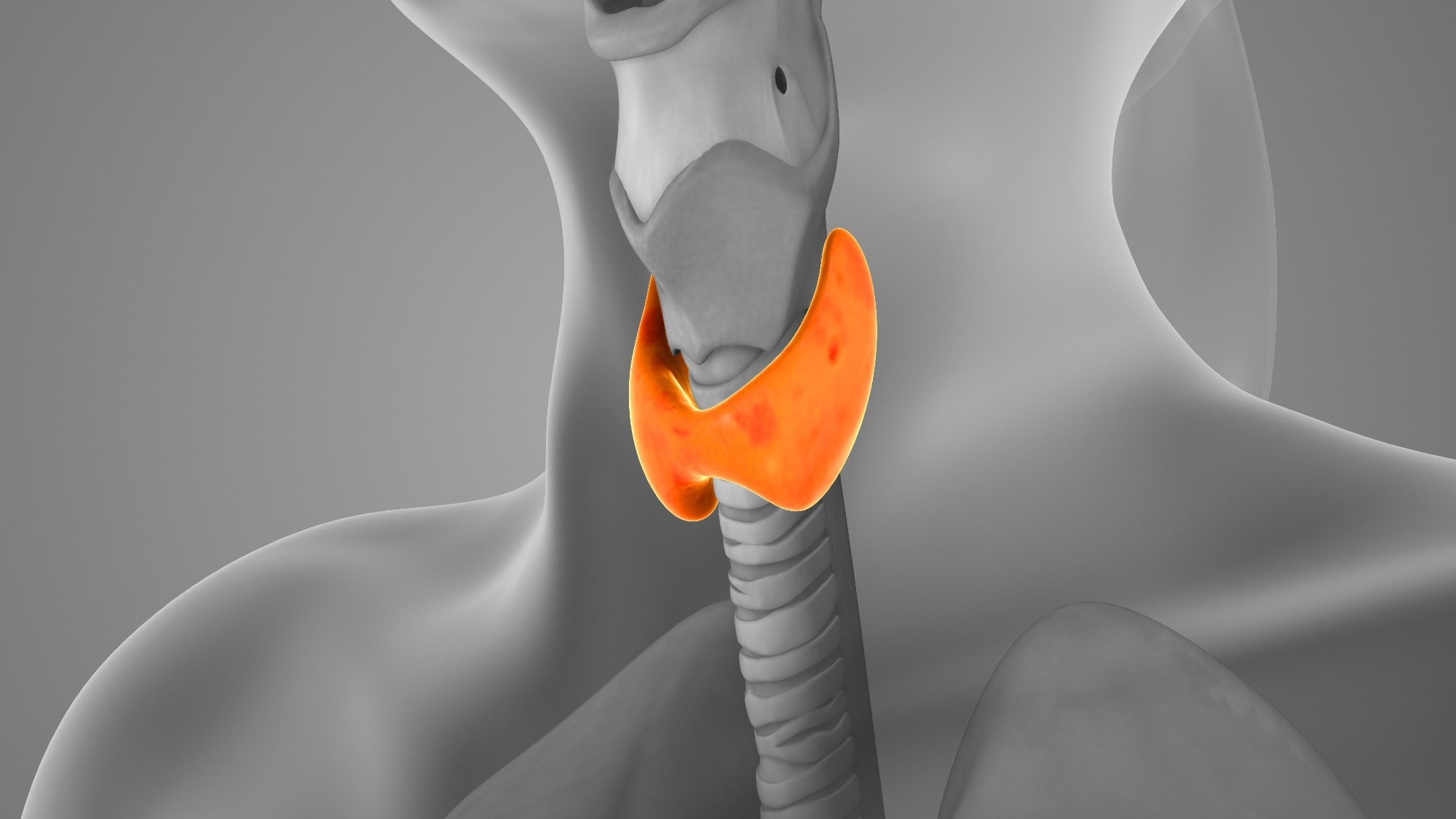
Review: The role of nutrition on thyroid health and disease: myths and facts. Image Credit: JitendraJadhav / Shutterstock
In a recent article published in the Journal of Endocrinological Investigation, a group of researchers reviewed the evidence on how nutrients and dietary patterns influence thyroid function and autoimmune thyroid diseases.
Thyroid Diet Background and Clinical Questions
What if everyday food choices are affecting your thyroid? Thyroid disorders continue to affect large numbers of people worldwide, particularly autoimmune thyroid diseases.
The modern diet, often characterized by processed foods and inadequate intake of essential nutrients, has been linked to chronic inflammation and metabolic imbalance.
Although iodine has long been recognized as one of the most important elements required to produce thyroid hormones, a growing body of evidence indicates that nutrition plays an even larger role, including the importance of micronutrients, dietary patterns, and gut health in supporting healthy thyroid function.
At the same time, misinformation around restrictive diets continues to spread, influencing patient behavior. Further research is needed to clarify how diet can be effectively used in prevention and management.
Thyroid Nutrition Review Methods
A structured literature review was conducted to examine the relationship between nutrition and thyroid health. Researchers searched MEDLINE (via PubMed), Web of Science, and Scopus for relevant studies published between January 2005 and June 2025.
The search strategy incorporated keywords and Medical Subject Headings (MeSH) terms such as “thyroid diseases,” “thyroid autoimmunity,” “Mediterranean diet,” “Western diet,” “gluten-free diet,” and other diet-related terms.
Four independent reviewers screened titles and abstracts to identify studies relevant to dietary factors, nutrient intake, and thyroid outcomes. Selected articles were further evaluated for methodological quality and relevance.
Researchers studied how iodine, selenium, iron, zinc, vitamin D, and vitamin B12, as well as general dietary patterns such as plant-based diets, the Mediterranean diet, and Western dietary habits, can affect thyroid health.
They also examined compounds like polyphenols and omega-3 polyunsaturated fatty acids. Data from included studies were assessed for consistent patterns, potential biological mechanisms, and clinical implications related to thyroid function and autoimmunity.
Micronutrients and Thyroid Autoimmunity Findings
The study shows that a complex interplay of micronutrients, macronutrients, and dietary patterns influences thyroid health. Iodine is important for thyroid hormone production; however, both deficiency and excess can disturb thyroid function, showing a U-shaped relationship.
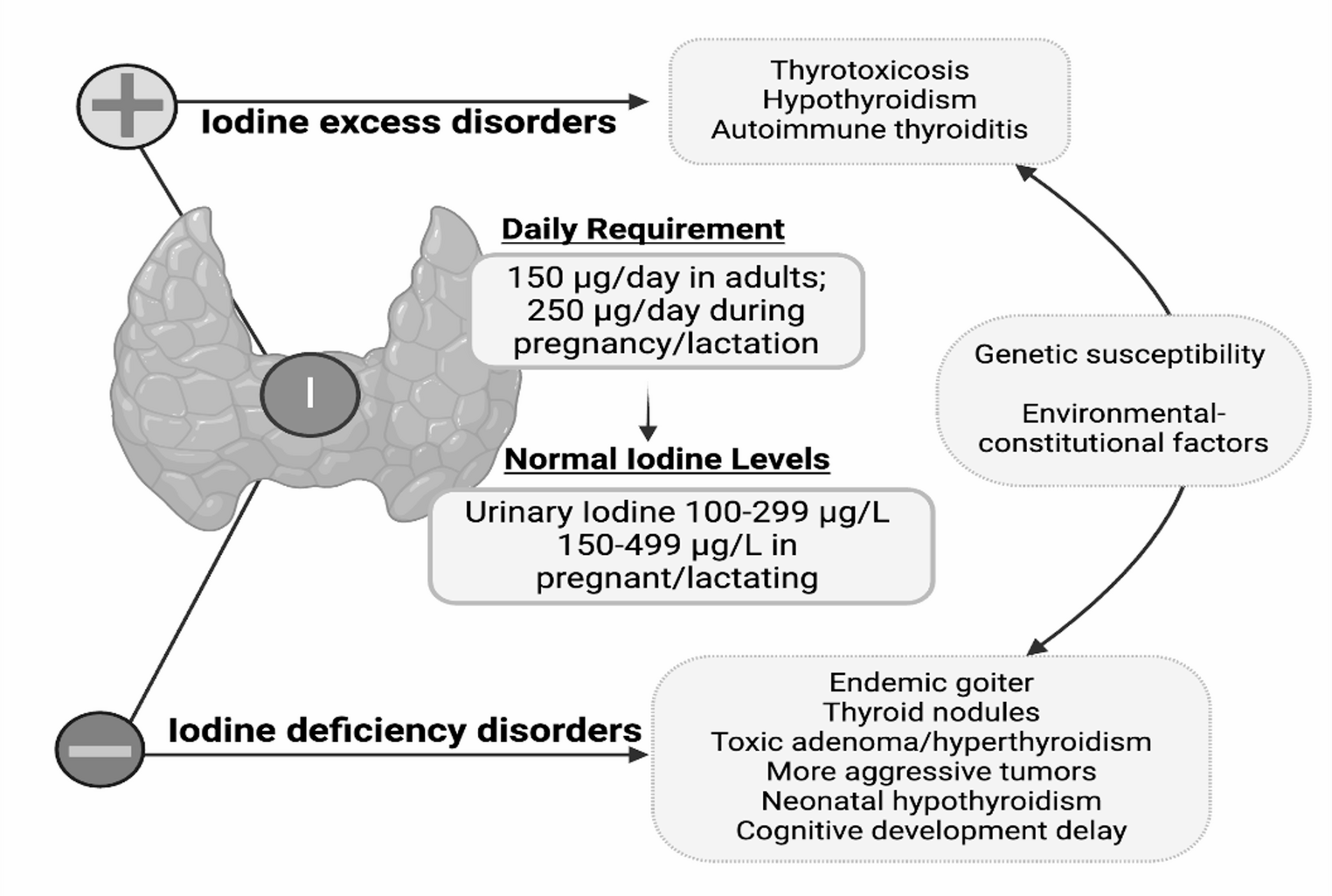
The U-shaped relationship between iodine intake and thyroid disorders. Both iodine deficiency and excess are associated with impaired thyroid function. Inadequate intake leads to goiter, nodular disease, and hypothyroidism, while excessive intake may precipitate hyperthyroidism or autoimmune thyroiditis in genetically susceptible individuals. Optimal iodine intake, 150 µg/day in adults and 250 µg/day during pregnancy and lactation, corresponds to urinary iodine concentrations of 100–299 µg/L and 150–499 µg/L, respectively
Selenium protects the thyroid from damage caused by free radicals and also helps the body metabolize thyroid hormones. Zinc and iron are also very important for regulating and activating the enzymes necessary for the production of thyroid hormones.
Deficiencies of any of these nutrients may increase someone's risk of developing hypothyroidism or autoimmune thyroid disease.
It is also observed that vitamin D and B-12 are needed for the proper functioning of the immune system. In patients with an autoimmune thyroid disorder, they routinely have lower levels of both B-12 and vitamin D than patients without autoimmune thyroid disorders or hypothyroidism, and the benefit of supplementing with these vitamins may be limited unless the patient being treated has a deficiency.
The review also notes that selenium supplementation remains controversial, with mixed evidence outside specific clinical settings, and is not routinely recommended for people without deficiency.
Dietary Patterns and Thyroid Disease Risk
Thyroid outcomes were also associated with dietary patterns. Eating a Mediterranean diet, with more fruits, vegetables, whole grains, fish, and extra virgin olive oil, was associated with more favorable thyroid-related outcomes, a lower inflammatory burden, and reduced levels of thyroid autoantibodies in the reviewed evidence. Its benefits were linked to antioxidants, omega-3 fatty acids, and anti-inflammatory substances.
On the other hand, excess saturated fats, refined sugars, and processed foods in the Western diet may contribute to chronic inflammation, gut microbiota dysbiosis, and a higher prevalence of autoimmune thyroid diseases. This diet may promote oxidative stress and interfere with immune regulation, potentially facilitating disease.
Polyunsaturated fatty acids, particularly omega-3 fatty acids, have potentially beneficial effects due to their anti-inflammatory properties, which may help protect against autoimmune processes. Polyphenols and bioactive compounds in plant-based foods further support immune balance. Conversely, excessive consumption of processed meat and animal fats was associated with a higher prevalence of disease.
Restrictive Diets and Thyroid Health Conclusions
Restrictive diets, such as gluten-free or lactose-free regimens, showed no clear benefit for thyroid health in individuals without specific intolerances. In some cases, these diets led to nutritional deficiencies.
Similarly, soy-based foods and cruciferous vegetables showed minimal adverse effects when consumed in normal amounts and with adequate iodine intake, although special caution may be needed in people with iodine deficiency or those taking levothyroxine.
Conclusions
Nutrition plays a crucial and multifaceted role in thyroid health, extending far beyond iodine intake alone. Eating a balanced diet rich in nutrients and antioxidants supports thyroid function and may help improve thyroid-related markers and immune balance, especially in autoimmune conditions.
In contrast, unhealthy eating habits can increase inflammation, which can contribute to the progression of disease. Additionally, there is the possibility that many patients with restrictive diets that do not have any medical evidence or justification may actually be causing themselves more harm than good.
These findings emphasize the need for evidence-based dietary guidance in clinical practice. Promoting sustainable, nutrient-rich eating patterns, such as the Mediterranean diet, can improve individual health outcomes and may help support thyroid health while reducing the growing global burden of thyroid diseases.
Journal reference:
- Ruggeri, R.M., Virili, C., Mocini, E. Campennì, A., Centanni, M., Rotondi, M., Cannavò, S., Croce, L., & Migliaccio, S. (2026). The role of nutrition on thyroid health and disease: myths and facts. J Endocrinol Invest (2026). DOI: 10.1007/s40618-026-02852-0, https://link.springer.com/article/10.1007/s40618-026-02852-0
 Cockroaches have a reputation for surviving almost anything, but this diet proved deadly