A phase 3 trial suggests AD109 could offer a long-sought oral option for obstructive sleep apnea, improving breathing and oxygenation during sleep, but side effects and early discontinuation may limit its real-world use.
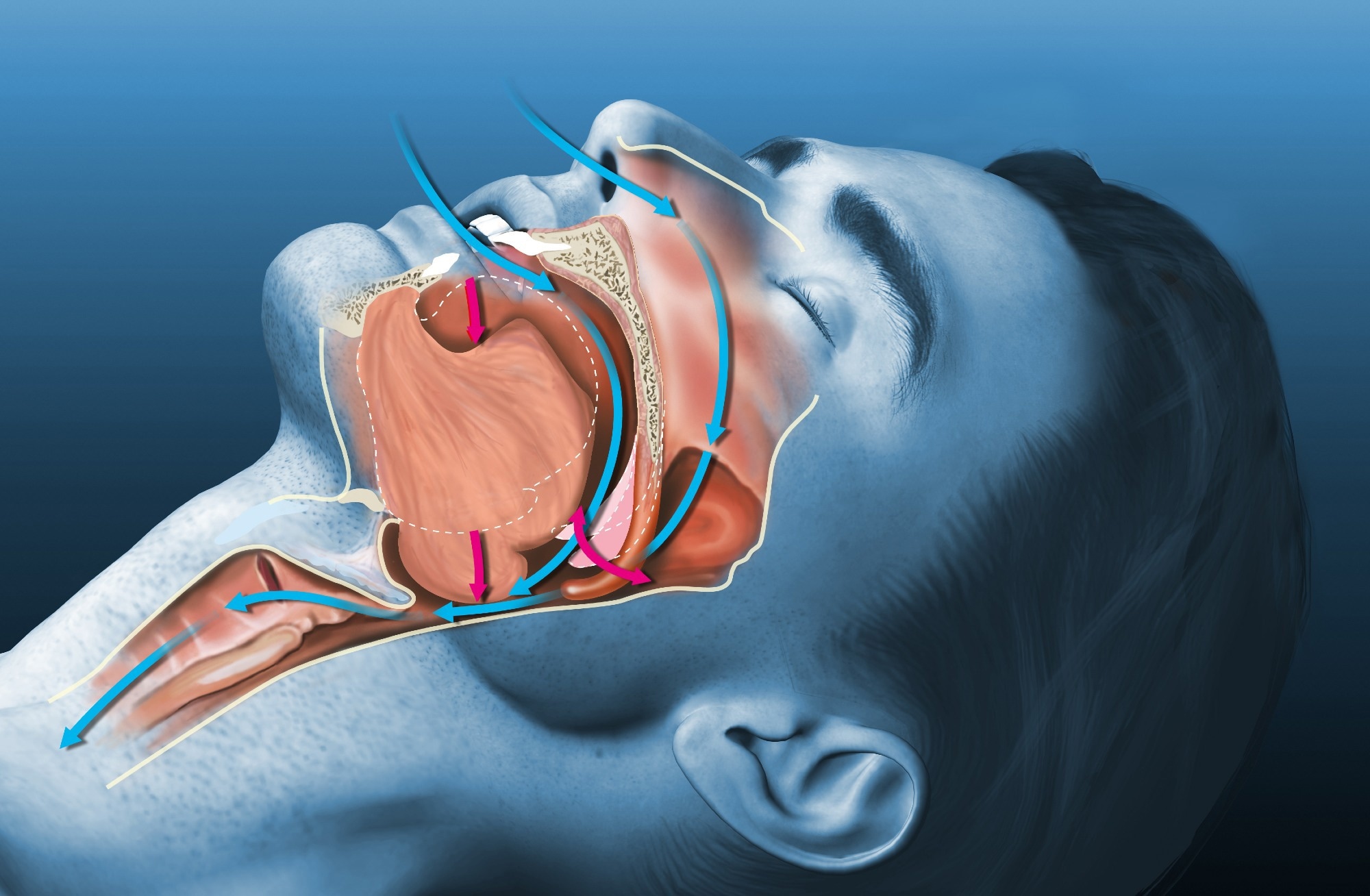
Study: Aroxybutynin and atomoxetine (AD109) for obstructive sleep apnea: a randomized phase 3 trial (SynAIRgy). Image Credit: Axel_Kock / Shutterstock
In a recent study published in the American Journal of Respiratory and Critical Care Medicine, researchers investigated the safety and efficacy of AD109, a combination of atomoxetine and aroxybutynin, for obstructive sleep apnea (OSA).
OSA is caused by sleep-related neuromuscular dysfunction that leads to recurrent upper airway obstruction in sleep. Around one billion people worldwide are affected. Currently, positive airway pressure (PAP) treatment can be effective but is poorly tolerated or accepted, leading to low adherence or treatment refusal.
Alternative treatment options, such as upper airway surgery and oral appliances, are limited to specific populations. AD109 is an oral, investigational combination of 75 mg atomoxetine, a selective norepinephrine reuptake inhibitor, and 2.5 mg aroxybutynin, an antimuscarinic. In a phase II trial, a four-week AD109 treatment significantly improved the apnea-hypopnea index (AHI) in OSA patients.
About the study
In the present study, researchers evaluated the safety, tolerability, and efficacy of AD109 for OSA. This phase III clinical trial, namely, SynAIRgy, was a randomized, double-blind, placebo-controlled, six-month study of AD109 conducted in Canada and the United States (US). The study enrolled individuals aged ≥ 18 years who had mild-to-severe OSA, refused or failed PAP treatment, and an AHI of ≥5 events/hour initially, later revised to ≥10 to ≤45 events/hour to avoid overrepresentation of very mild or very severe OSA.
Individuals with craniofacial malformation syndromes, rapid eye movement sleep behavior disorder, restless leg syndrome requiring medication, narcolepsy, clinically significant or medically uncontrolled cardiovascular disease, or bothersome symptoms of insomnia were excluded. In addition, participants receiving glucagon-like peptide-1 receptor agonists (GLP-1RAs) specifically for weight loss, and not for type 2 diabetes, were included in an exploratory cohort to assess the effects of weight loss on the safety and efficacy of AD109.
Participants were randomly assigned to receive AD109 or a placebo once daily for 26 weeks. Patient-Reported Outcomes Measurement Information System (PROMIS)-Sleep Impairment and PROMIS-Fatigue questionnaires were administered. The safety assessment included monitoring vital signs (blood pressure and heart rate) and adverse events (AEs). The primary endpoint was the change from baseline in AHI at week 26.
Secondary endpoints were PROMIS-Sleep Impairment and PROMIS-Fatigue T-scores, hypoxic burden, oxygen desaturation index (ODI), and the proportion of individuals with at least 50% AHI reduction at week 26. Exploratory endpoints were OSA severity, the proportion of breaths with snoring, and the proportion of subjects with a 30%–90% decrease in AHI. The exploratory cohort was excluded from efficacy analyses but included in safety analyses, and its prespecified analyses were not reported because enrollment was low.
Findings
The study included 646 participants; the primary cohort comprised 639 participants, and the exploratory cohort comprised 7 participants. After excluding the exploratory cohort and participants from a site terminated for Good Clinical Practice noncompliance, 615 participants were included in the main efficacy analysis. Around 85% of participants completed the trial. Treatment adherence was ~96% in both the AD109 and placebo arms for participants who completed the study. Among those who discontinued, treatment adherence was 90.2% in the AD109 arm and 77.5% in the placebo arm.
At baseline, participants’ median age was 58 years, AHI was 19.6 events/hour, and body mass index (BMI) was 32.4 kg/m2. Furthermore, baseline OSA severity was mild in 35% of participants, moderate in 42%, and severe in 23%. On average, AHI decreased by 3.3 events/hour in AD109 recipients but increased by 0.7 events/hour in placebo recipients, yielding a placebo-adjusted treatment difference of −4.0 events/hour over 26 weeks. AHI improvements with AD109 were evident by week 4. Further, there were significant differences in ODI between treatment groups.
On average, the AD109 arm showed a decrease of 3.7 events/hour in ODI at week 26, while the placebo arm had an increase of 0.9 events/hour. Hypoxic burden also improved nominally with AD109, although formal statistical significance could not be claimed because hierarchical testing stopped after the nonsignificant PROMIS-Fatigue result. While the PROMIS-Fatigue T-scores were reduced in both treatment arms, the difference was not significant. Likewise, there was no treatment effect on the PROMIS-Sleep Impairment T-score between arms. The proportion of subjects with at least 50% decrease in AHI did not differ significantly between arms.
AD109 improved the OSA disease severity category in 41.8% of recipients, with complete disease control (i.e., AHI < 5 events/hour) observed in 17.6% at week 26. AHI reduction of at least 70% at week 26 was noted in 17.2% and 8.9% of the AD109 and placebo arms, respectively. Further, 70.8% of the AD109 group and 46.7% of the placebo group reported AEs, with dry mouth, nausea, insomnia, and urinary hesitation being the most common. Serious AEs occurred in five AD109 and eight placebo recipients and were deemed unrelated to study medication; no deaths were reported.
Conclusions
In summary, AD109 treatment significantly improved airway obstruction, oxygenation, and exploratory measures of disease severity in adults with mild-to-severe OSA, whereas symptom improvements did not differ significantly from placebo in the primary analysis. Notably, one in five AD109 recipients discontinued treatment due to AEs. AE-related discontinuation primarily occurred shortly after treatment initiation, whereas discontinuations unrelated to AEs were comparable between treatment arms. Overall, the findings indicate that AD109 could be a potential therapeutic option for OSA patients who are unable to use PAP therapy.
Download your PDF copy by clicking here.
 Why older adults are turning to edible cannabis for sleep, pain, and mood