A new commentary spotlights preclinical evidence that blocking key amino acids, along with a polyamine-blocking drug, may force aggressive neuroblastoma cells to mature rather than multiply.
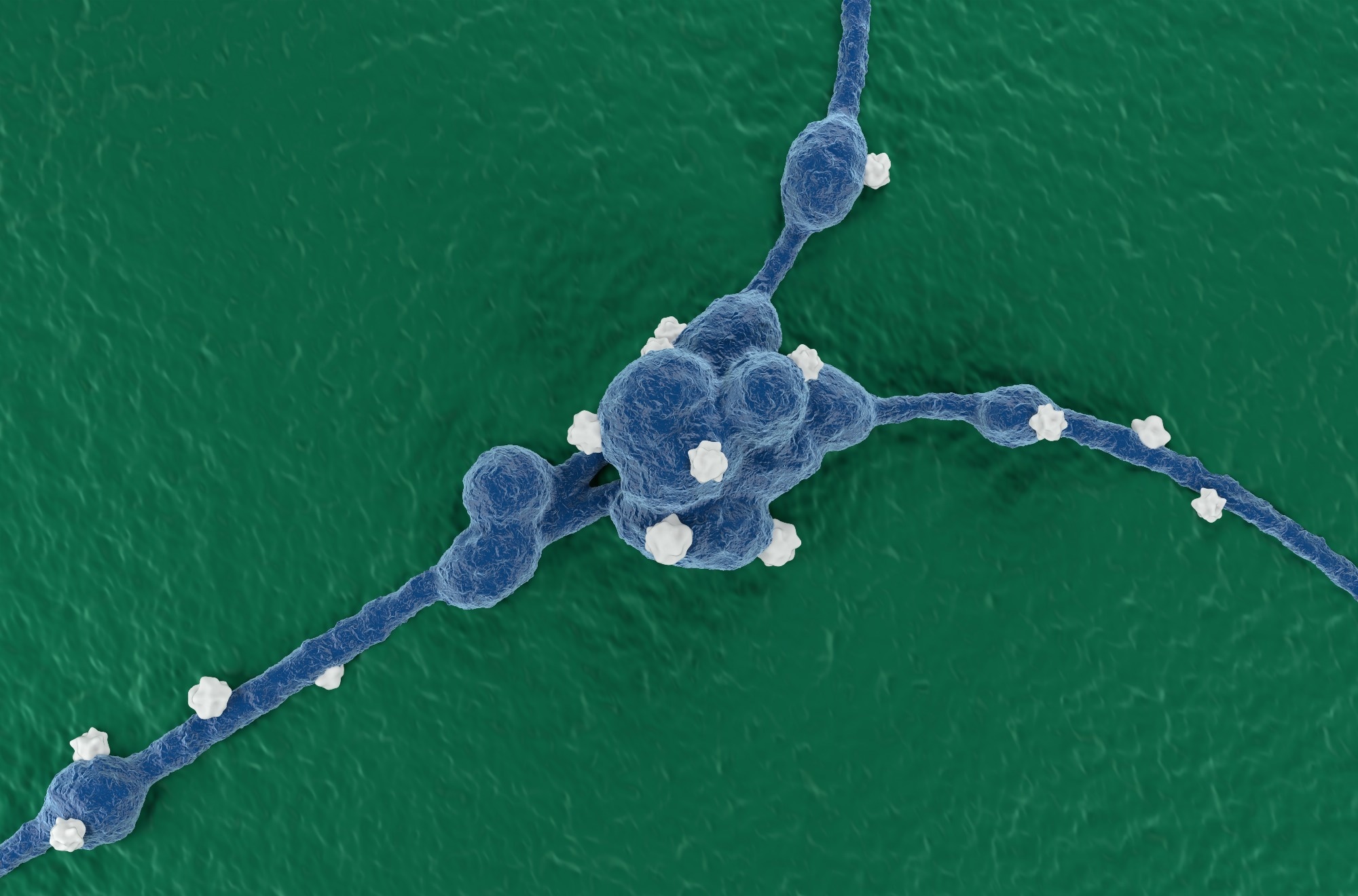
Commentary: Altering the Diet to Rewire Cancer. Image Credit: Nemes Laszlo / Shutterstock
A recent commentary article published in the New England Journal of Medicine highlights how targeted dietary manipulations could reprogram tumor biology.
The possibility that diet could improve cancer treatment outcomes has garnered substantial interest across research, clinician, and patient communities. Mechanistic studies show that some dietary manipulations may influence tumor metabolism and the tumor microenvironment, and potentially augment responses to conventional therapies, such as radiation and chemotherapy. Nevertheless, translation into clinical practice remains limited by a knowledge gap.
Most dietary intervention trials have been short-term and small, focusing on non-specific outcomes rather than cancer endpoints. As such, moving beyond dietary recommendations to rigorous testing of specific dietary factors in sufficiently powered, long-term trials will be paramount to establishing nutritional guidelines for cancer care. Nonetheless, well-designed preclinical investigations remain valuable for identifying and refining questions for clinical studies.
Metabolic targeting in MYCN-driven neuroblastoma
For instance, a recent study discussed in this commentary in the MYCN-driven neuroblastoma mouse model showed that precise dietary manipulations can reprogram the biological characteristics of cancer. Dietary restriction of specific amino acids, combined with pharmacological inhibition of polyamine metabolism, was effective in this preclinical model through a novel mechanism: reprogrammed cancer cells ceased proliferation and differentiated into more mature cells.
MYCN-driven neuroblastoma is among the most lethal cancers in children, and like other cancers, it heavily relies on polyamines, which are essential for cell proliferation and growth. Eflornithine is a drug that inhibits the synthesis of polyamines by binding to ornithine decarboxylase (ODC). Despite showing clinical promise and receiving pre-approval for decreasing the risk of neuroblastoma relapse, eflornithine has limited efficacy as a monotherapy.
Therefore, eflornithine was combined with a diet lacking the amino acids proline and arginine, which can be metabolized to ornithine, a polyamine precursor. The study found that neuroblastoma tumors had unusually elevated levels of proline but were still dependent on circulating ornithine and arginine for polyamine synthesis. While proline can be converted to ornithine, MYCN-driven neuroblastomas have low activity of the enzyme responsible for this conversion.
As a result, the dietary restriction starved tumors of ornithine, whereas eflornithine inhibited the ornithine-to-polyamine conversion. Notably, polyamine depletion unexpectedly impaired hypusination of the eukaryotic translation initiation factor 5A (eIF5A), for which the polyamine spermidine is an essential precursor. The researchers tested whether the therapeutic effect was due to a decrease in hypusinated eIF5A.
Codon-selective translation and pro-differentiation proteome
Polyamine depletion led to ribosome stalling depending on codon identity, especially at codons with adenosine in the third position. Consequently, with polyamine depletion, ribosomes struggled to translate cell cycle proteins, which are enriched in adenosine-ending codons, but continued translating differentiation proteins, which are low in such codons. This selectivity resulted in a pro-differentiation proteome, leading neuroblastoma cells to exit the cell cycle and differentiate into more mature cells.
Notably, genetic ablation of hypusination did not reproduce these effects, indicating that polyamine depletion, rather than hypusination, drove this reprogramming. These findings have important implications; first, as a proof-of-concept, the study showed that metabolic interventions could induce differentiation in pediatric cancers. Second, that cellular programs have evolved distinct preferences for codon usage suggests a regulatory mechanism connecting metabolism to cell fate.
Moreover, these principles may be applicable beyond neuroblastoma. That metabolic stress can alter translation based on codon composition could create new therapeutic opportunities across cancers. Overall, by showing that dietary restriction of specific amino acids can synergize with drugs to trigger cancer differentiation, the study offered a roadmap for clinical studies. However, whether this approach could benefit children with neuroblastoma requires further investigation.
 Cockroaches have a reputation for surviving almost anything, but this diet proved deadly